Australia's Auto Market Heats Up: Electric Entries, Price Shifts, and Safety Moves

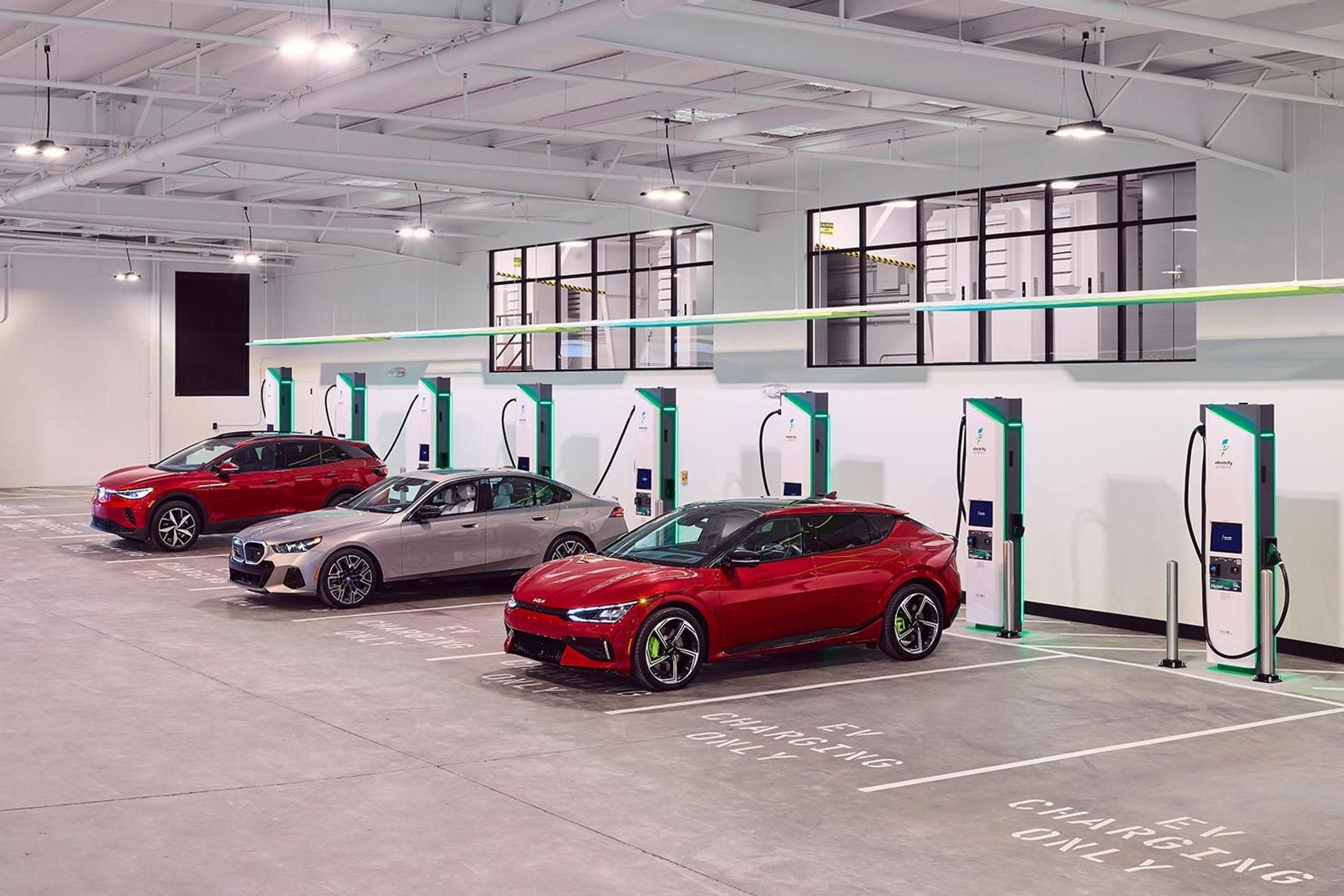
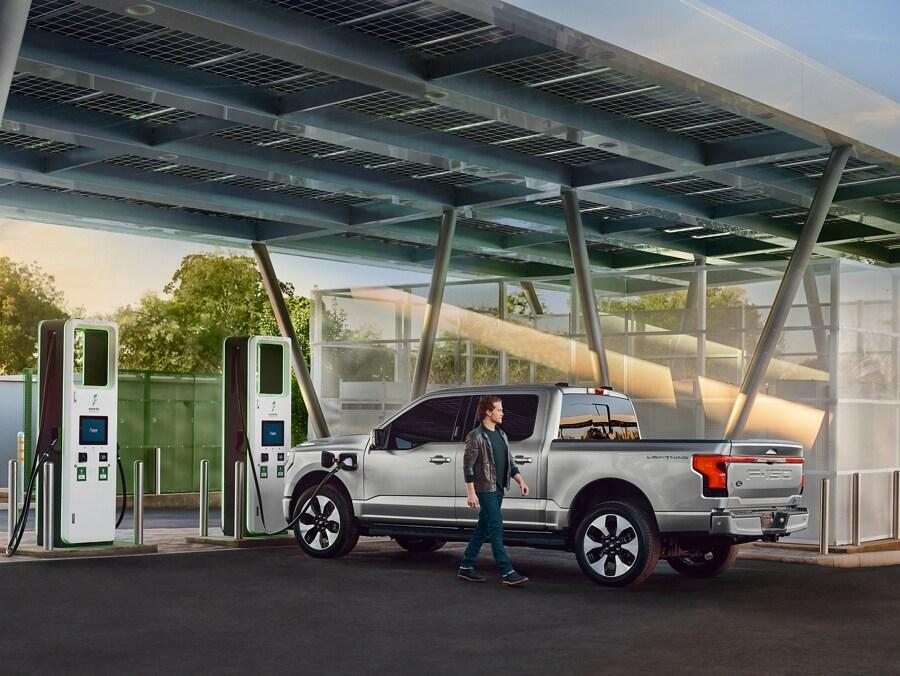
The Australian automotive scene is heating up like never before, with a flurry of announcements that speak to the country's growing appetite for electric vehicles and international brand adaptation. From Chinese automakers making their mark to established players adjusting pricing strategies, today's headlines paint a picture of an industry in flux—yet more exciting than ever. Whether you're a long-time car enthusiast or someone just starting to dip their toes into the automotive world, there's something here that will catch your attention. The convergence of electric innovation, global brand strategy, and evolving safety regulations is creating a compelling narrative that's worth diving deep into.
Forthing Enters Australia as China's EV Ambitions Expand
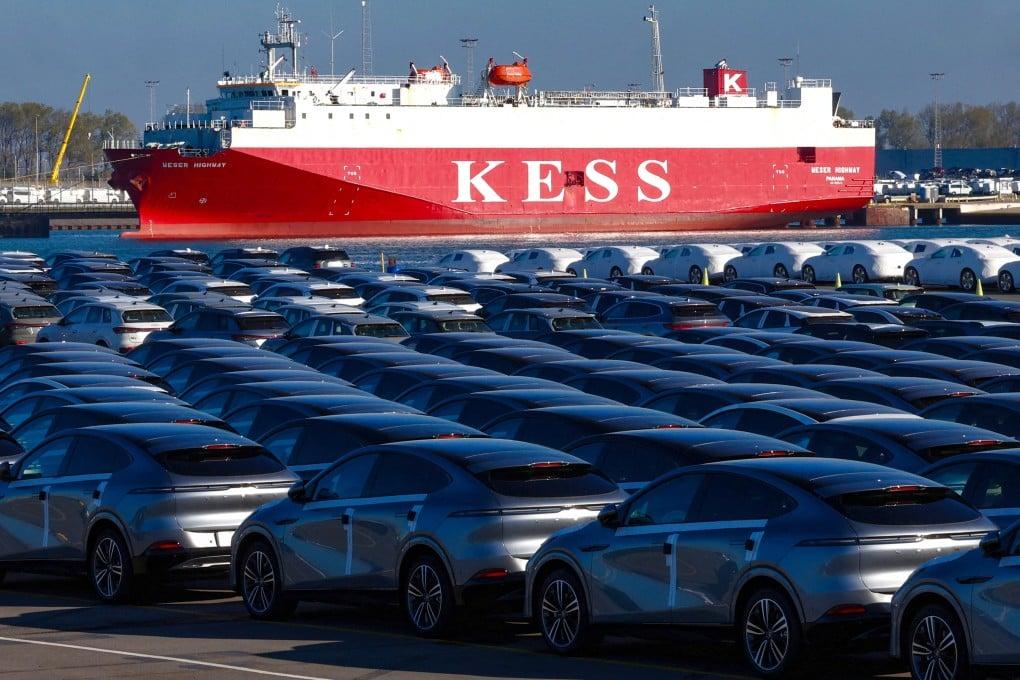
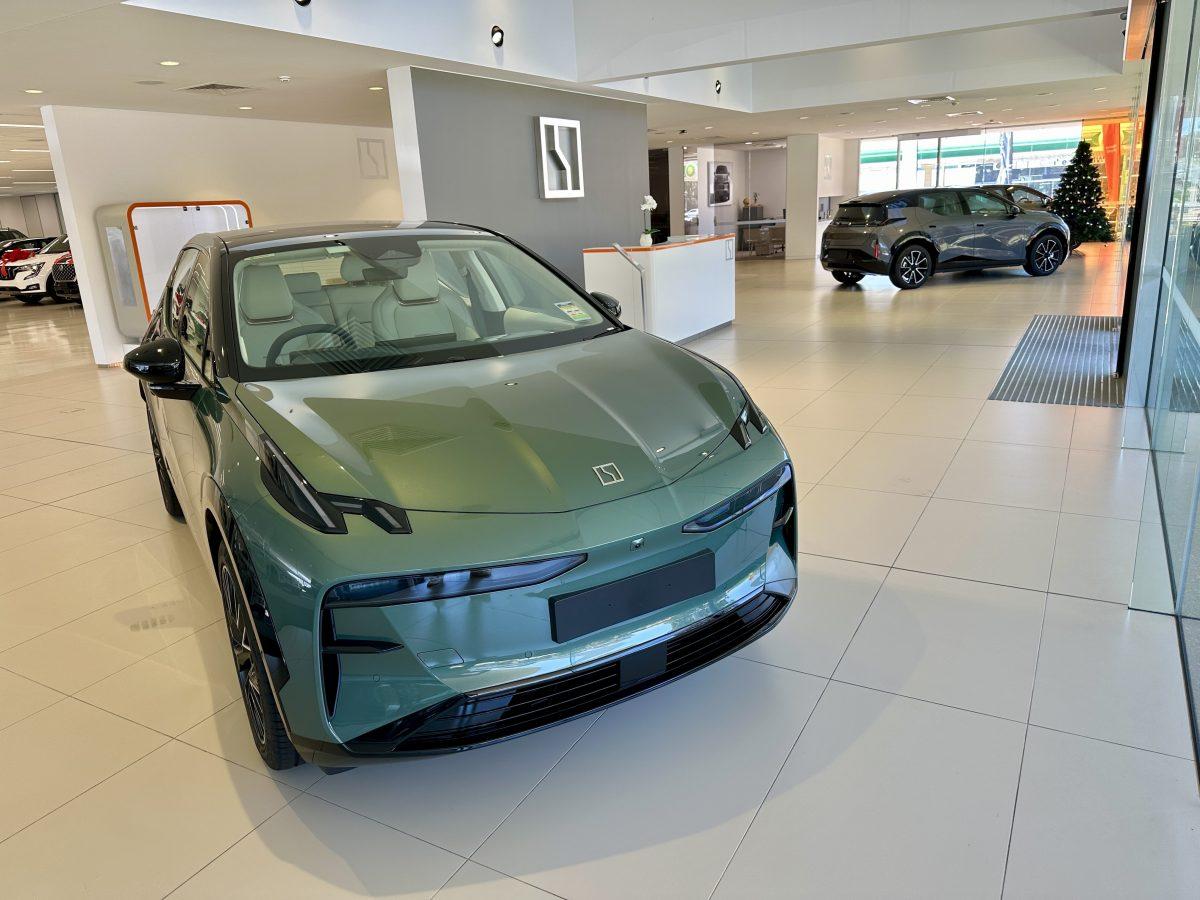
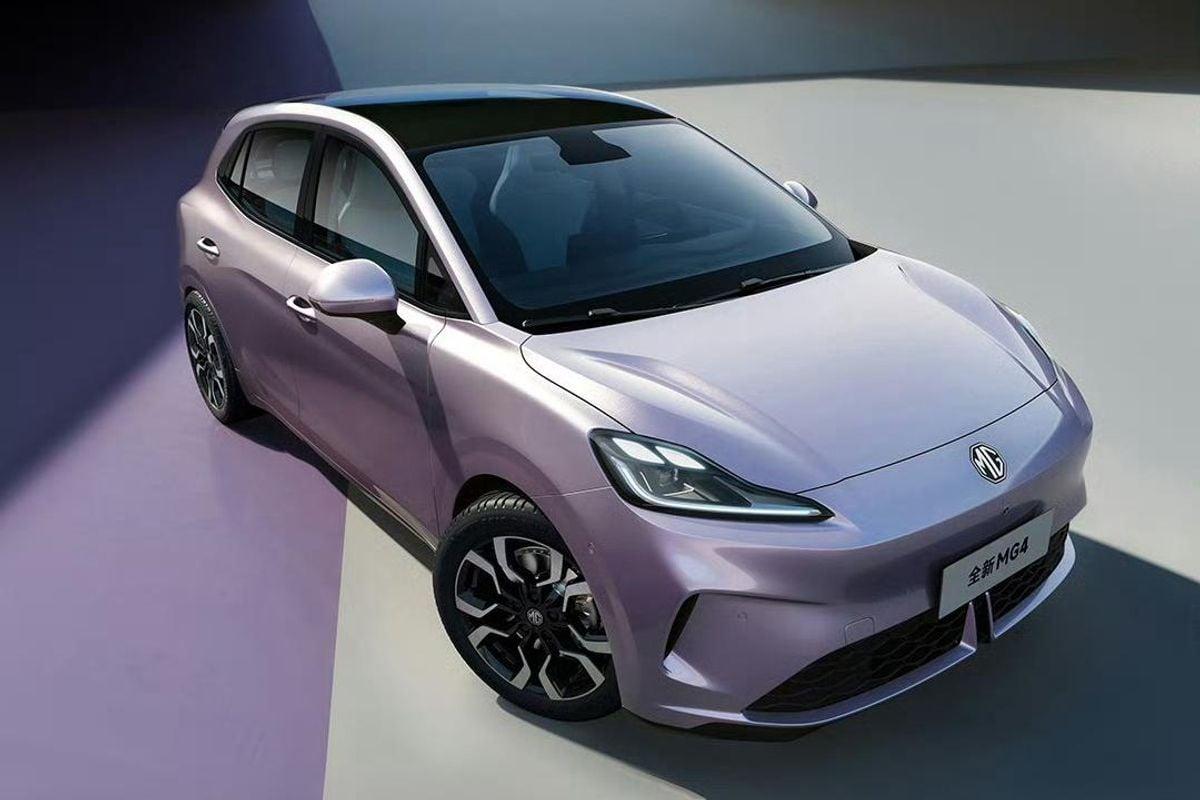
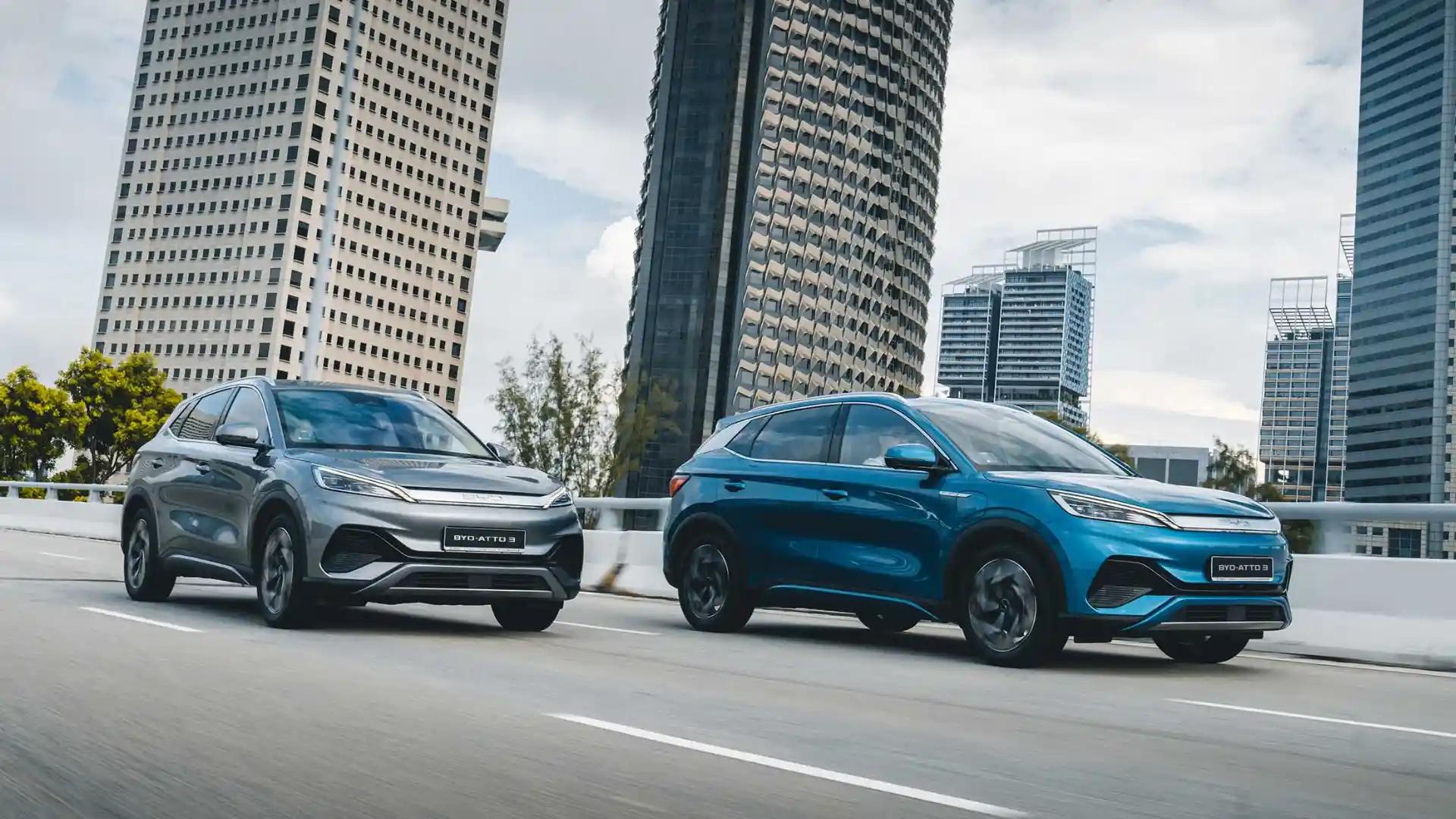
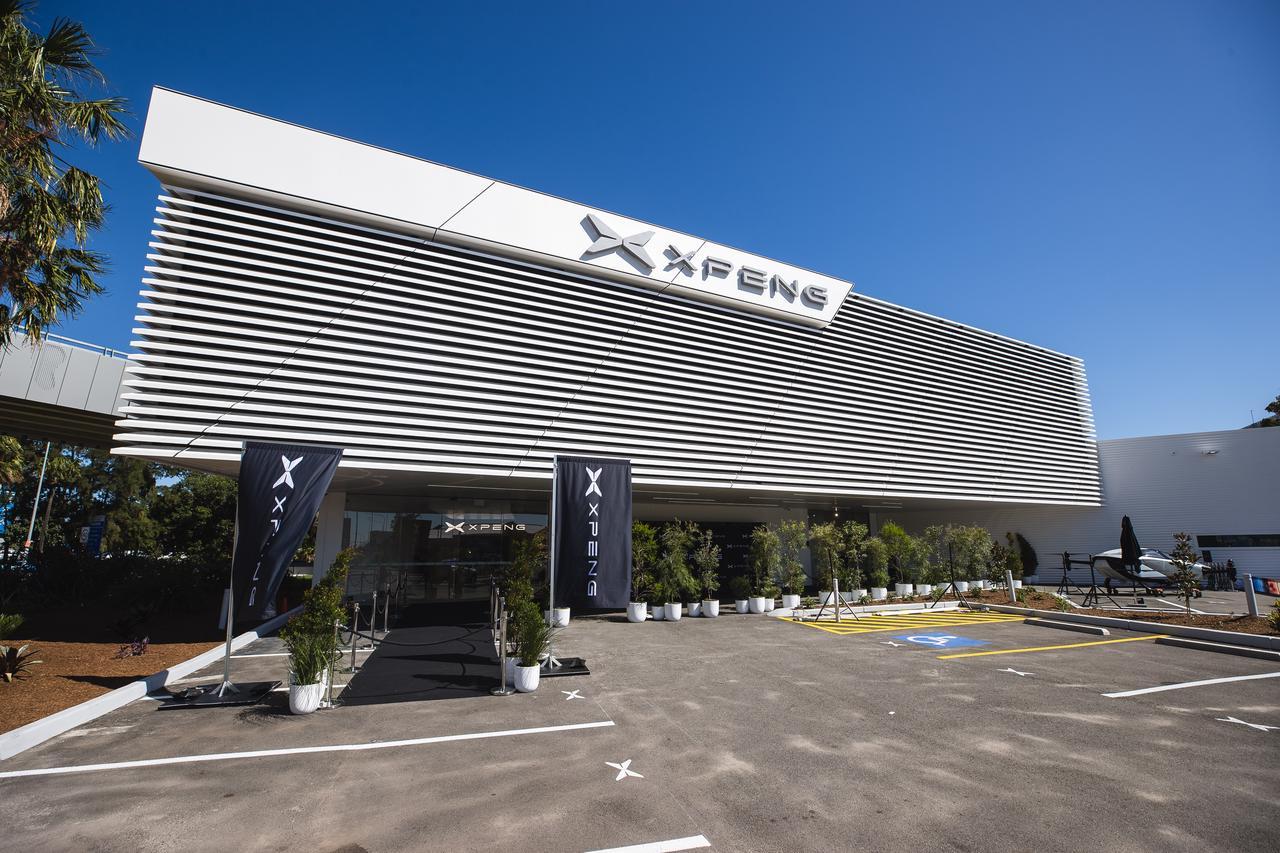
China's Forthing has officially confirmed its entry into the Australian market, bringing with it an impressive lineup of electric and hybrid vehicles. This move marks another significant milestone in China's global expansion strategy, particularly within markets like Australia where demand for sustainable transportation solutions is on the rise. Forthing's presence signals that Chinese automakers are no longer content with just exporting components or selling at premium price points—they're actively tailoring their offerings to meet local tastes and regulations. As Australian consumers become more environmentally conscious, brands like Forthing may find themselves well-positioned to capture market share, especially if they can deliver quality and performance that matches the expectations of a discerning customer base.
GWM Haval H6 Gets Local Chassis Tuning—A First for Chinese Brands
In an interesting development, GWM Haval H6 has become the first Chinese brand to receive local chassis tuning in Australia. This move is significant not only because it represents increased confidence from the manufacturer but also because it reflects a growing understanding of the unique driving conditions and preferences of Australian consumers. While many international brands initially enter markets with standardized models, the decision to tune GWM Haval H6's chassis shows that the company is serious about making its vehicles competitive in the local landscape. It’s a smart strategy that could set a precedent for other Chinese automakers looking to establish a foothold in Australia and beyond.
Toyota's bZ4X Sees Surge in Demand Following Price Cut
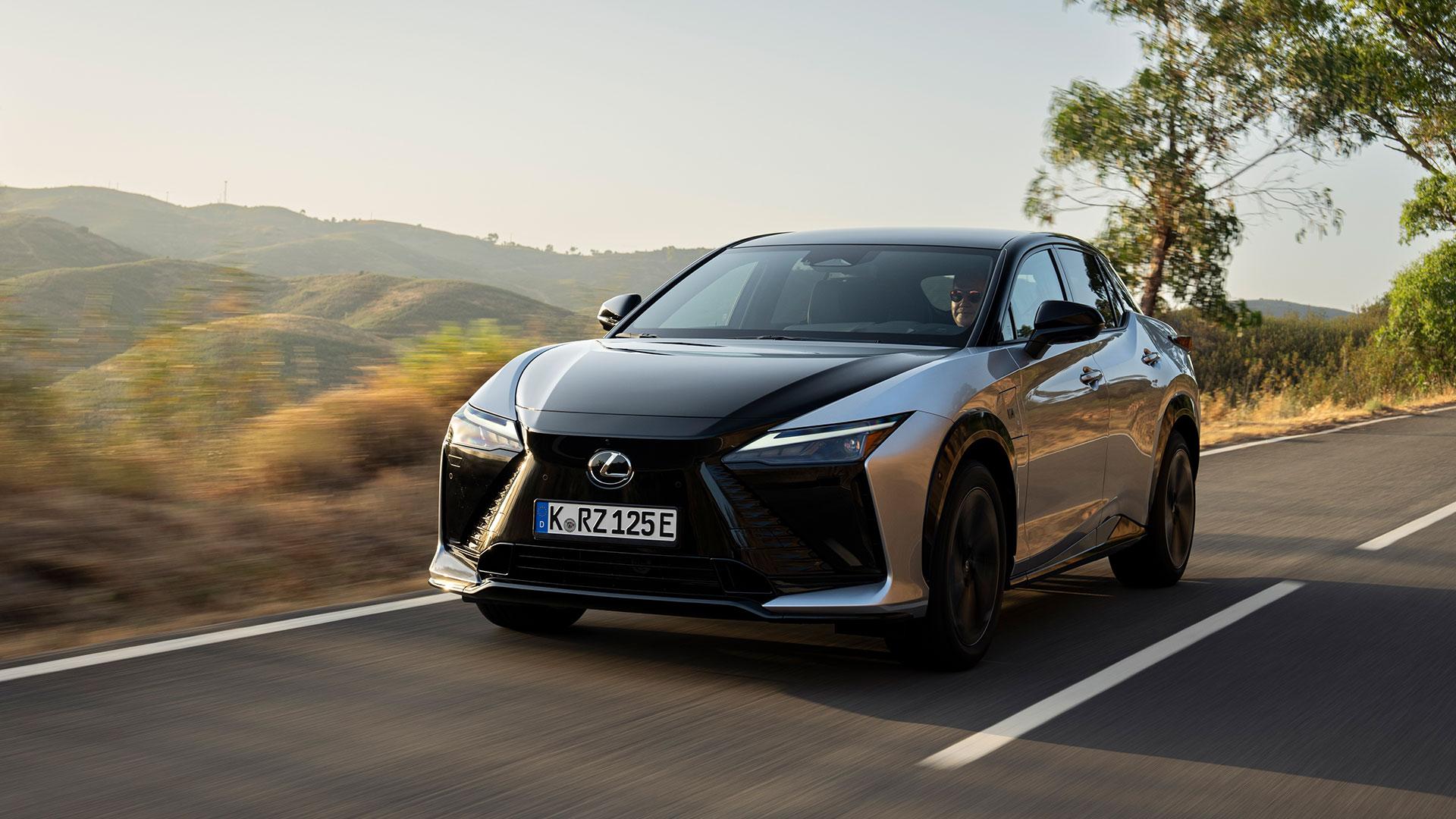
Toyota's electric SUV, the bZ4X, is experiencing a noticeable uptick in demand following recent price reductions and improved range. This response from consumers validates the growing acceptance of electric vehicles in Australia, particularly when they offer value without compromising on features or performance. The bZ4X's success also underscores Toyota’s ability to adapt quickly to market trends, leveraging both technological advancements and strategic pricing to stay ahead of the competition. As more automakers enter the EV space, Toyota's approach shows that even traditional manufacturers can remain relevant by listening closely to what customers want.
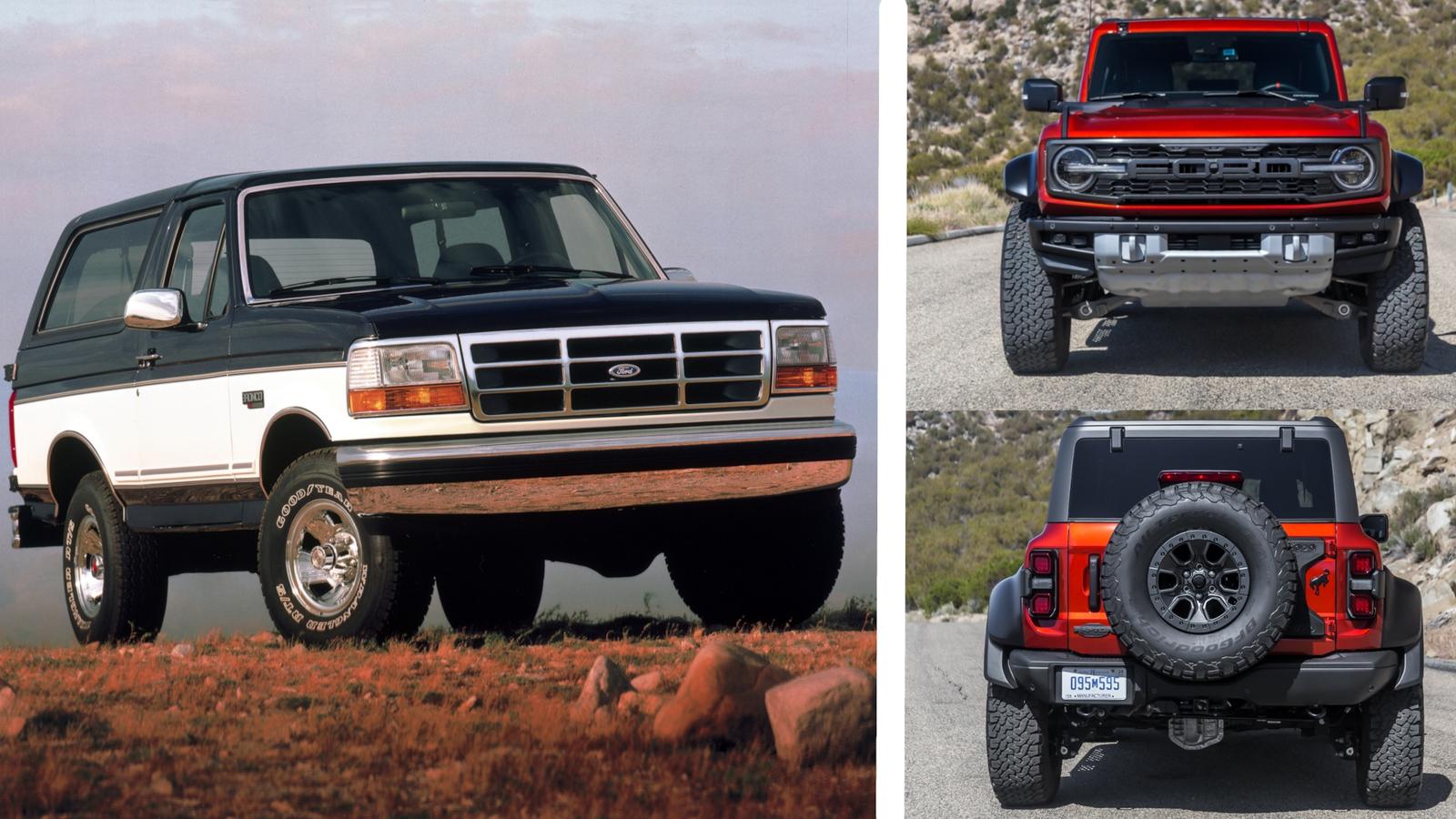
Ford Bronco Gets New Wildtrack Package, But at a Higher Price Point
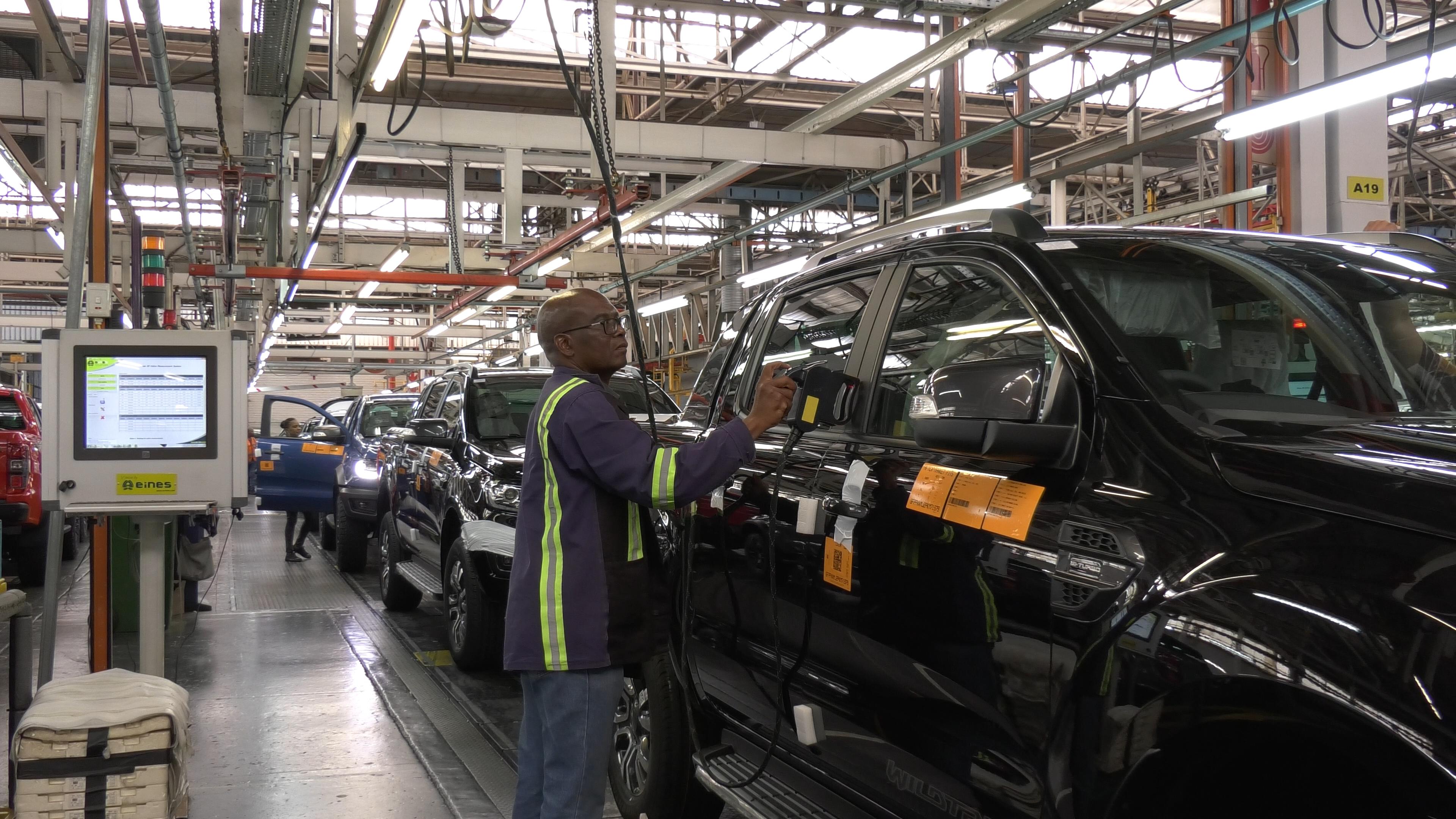
Ford’s Bronco lineup is receiving a new Wildtrack package, which brings fresh styling and capabilities to the popular SUV. However, this update comes with a price tag that’s higher than before, reflecting Ford's strategy of premium positioning within the off-road segment. While the added features are appealing to enthusiasts who want to customize their driving experience, the increased cost might limit its accessibility for some buyers. It also illustrates how manufacturers are increasingly using limited editions and special packages to justify higher prices while maintaining brand appeal.
Tesla Raises Prices Despite Production Halts—A Bold Move
Tesla has raised prices on its Model S and X models despite ongoing production halts, starting at $109,990. This decision is both puzzling and telling, as it suggests that Tesla believes its brand value remains strong even amid supply chain challenges. It also highlights the luxury electric vehicle market's resilience, where demand continues to outpace availability in many regions. While some might question the pricing strategy, it’s clear that Tesla is leveraging its brand strength and technological leadership to maintain its premium positioning.
Lexus Takes Artistic Approach with IS Model
Lexus has taken a creative approach to the IS model by incorporating hand-drawn styling elements into its design process. This artistic touch adds a unique personality to what is otherwise a highly functional luxury sedan, showing how automakers are exploring new ways to differentiate their offerings beyond traditional engineering and performance metrics. The move could attract buyers who appreciate both quality craftsmanship and individuality in their vehicles.
Land Cruiser Price Adjustments Signal Market Shifts
The 2027 Land Cruiser sees a notable price adjustment, with the base model becoming more expensive while the top trim nearly $1,000 cheaper. This shift indicates that luxury SUV manufacturers are recalibrating their pricing strategies to better align with market demand and consumer expectations. It also suggests that even iconic models like the Land Cruiser are evolving to stay competitive in a rapidly changing landscape.
Rising Car Thefts and Enhanced Safety Measures
Australia is grappling with a rise in car thefts, particularly as European criminals target specific vehicle components. In response, Melbourne and Victoria have expanded mobile phone and seatbelt detection camera coverage to 350 locations. These safety measures are crucial not only for preventing accidents but also for curbing criminal activity related to vehicle theft. As the automotive industry continues to innovate, it must also adapt its approach to security and regulation.
Industry Context: A Shift Toward Electric Mobility and Global Brand Strategy
The trends we're seeing today reflect a broader shift toward electric mobility and a more nuanced understanding of global markets. Chinese automakers are no longer just entering Australia as low-cost alternatives—they’re investing in local adaptation, tuning, and innovation to compete with established players. Meanwhile, brands like Toyota and Ford are responding to consumer demand by adjusting pricing strategies and offering more tailored packages.
The electric vehicle market is also becoming increasingly competitive, with manufacturers needing to balance performance, range, and value to attract buyers. Tesla's bold pricing strategy shows that even in times of supply constraints, strong brand loyalty can sustain premium pricing. On the other hand, luxury brands like Lexus are finding new ways to stand out through design, demonstrating that personalization and artistry remain powerful tools in an increasingly commoditized market.
What This Means for Car Enthusiasts
For car enthusiasts, today's developments mean a more diverse and dynamic automotive landscape. Whether you're drawn to the cutting-edge technology of Chinese EVs, the rugged appeal of Ford’s Bronco, or the refined luxury of Lexus, there are plenty of options to explore. The increasing focus on local adaptation, such as chassis tuning for GWM Haval H6, suggests that manufacturers are more attuned to regional preferences than ever before.
Moreover, with rising safety measures and evolving pricing strategies, car buyers now have more reasons than ever to carefully consider their purchase decisions. The market is no longer just about raw performance or flashy features—it’s also about value, sustainability, and even security. As we move forward, these trends will likely continue shaping how we think about car ownership, making it an exciting time for everyone involved in the automotive world.