Recalls, Reborn Models, and EV Shifts: What's Happening in the Automotive World Today
The automotive world is in a state of constant evolution, and today’s headlines are a perfect reflection of that dynamic landscape. From recalls that shake consumer confidence to new models aiming for breakthrough sales, the industry is navigating a complex web of technology, economics, and shifting consumer preferences. Whether it's Stellantis dealing with major software issues or Honda launching a reborn Prelude with ambitious first-year targets, today’s news reveals both challenges and opportunities in the sector. Meanwhile, global giants like Nissan and BYD are making moves that underscore the changing dynamics of vehicle production and market strategy.
Stellantis Recalls 65,000 Ram Trucks Amid Software Glitches
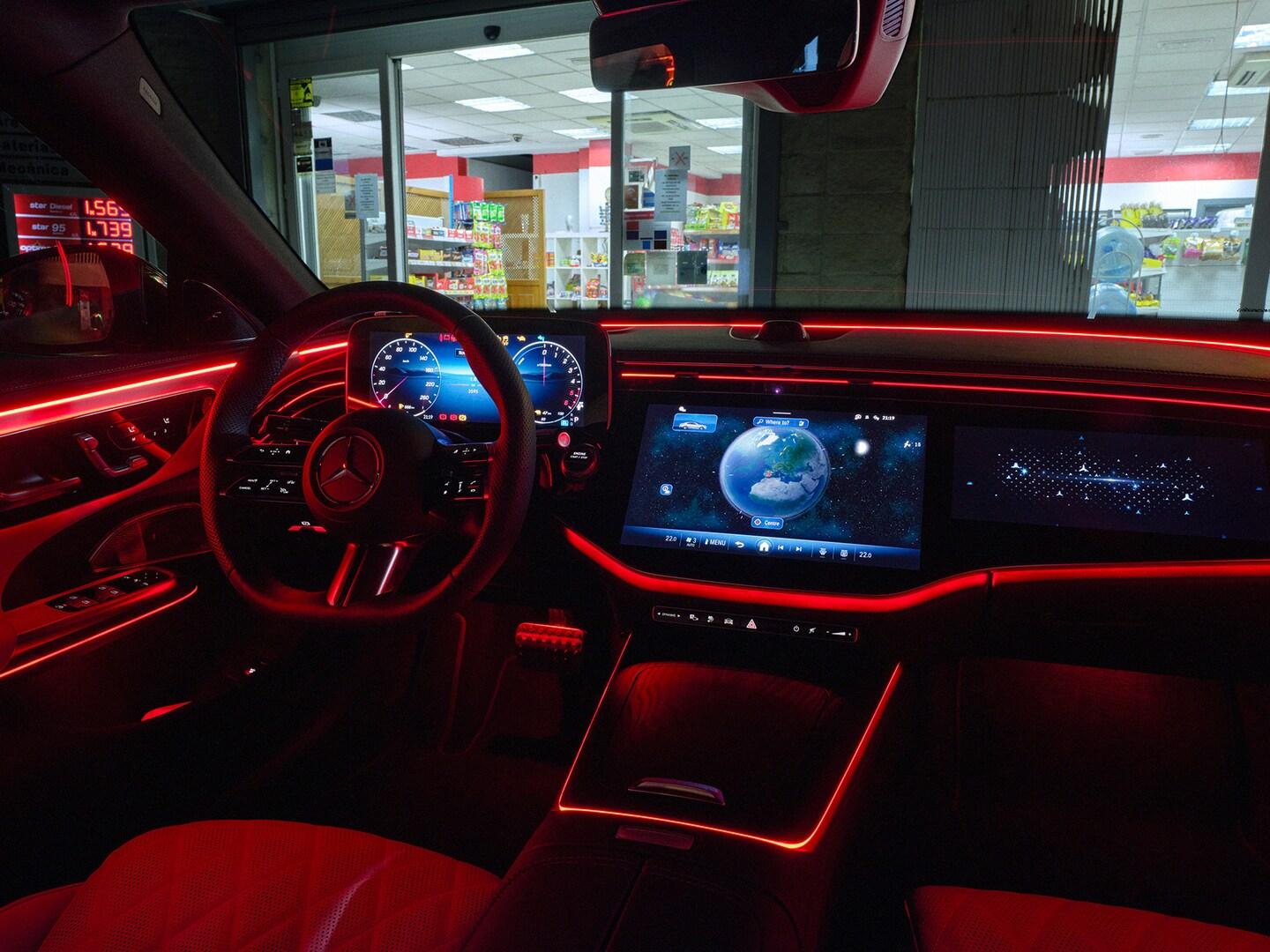
Stellantis is facing a significant recall affecting approximately 65,000 Ram trucks due to software glitches that are wiping out instrument displays. This issue not only impacts the driving experience but also raises concerns about vehicle safety and reliability. The company’s handling of this recall will likely influence how other automakers approach software integration in their vehicles. With increasing reliance on digital dashboards and infotainment systems, such issues highlight a growing need for robust testing and quality assurance processes in modern automotive design.
Honda Prelude Targets 500 First-Year Sales with Hybrid Appeal
Honda’s reinvigorated Prelude is aiming to sell 500 units in its first year, a modest but strategic target designed to capture both loyalists and hybrid enthusiasts. This approach suggests that Honda is carefully balancing nostalgia with innovation. The Prelude's rebirth comes at a time when the hybrid market is gaining traction, and consumers are increasingly looking for fuel-efficient yet performance-driven options. If successful, this could set a precedent for how automakers approach model reinventions in the current electric-first climate.
Nissan CEO Criticizes Tariffs, Stands by Affordable Vehicle Strategy
Nissan’s CEO has publicly criticized tariffs that he believes undermine the economics of affordable vehicles. This stance is particularly relevant as global trade tensions continue to affect supply chains and manufacturing costs. For Nissan, the focus remains on delivering value-driven vehicles that remain competitive in price-sensitive markets. The company’s pushback against tariffs shows a recognition that affordability is a core pillar of its market strategy.
Stellantis Explores Deal with Dongfeng to Repurpose Italian Plants
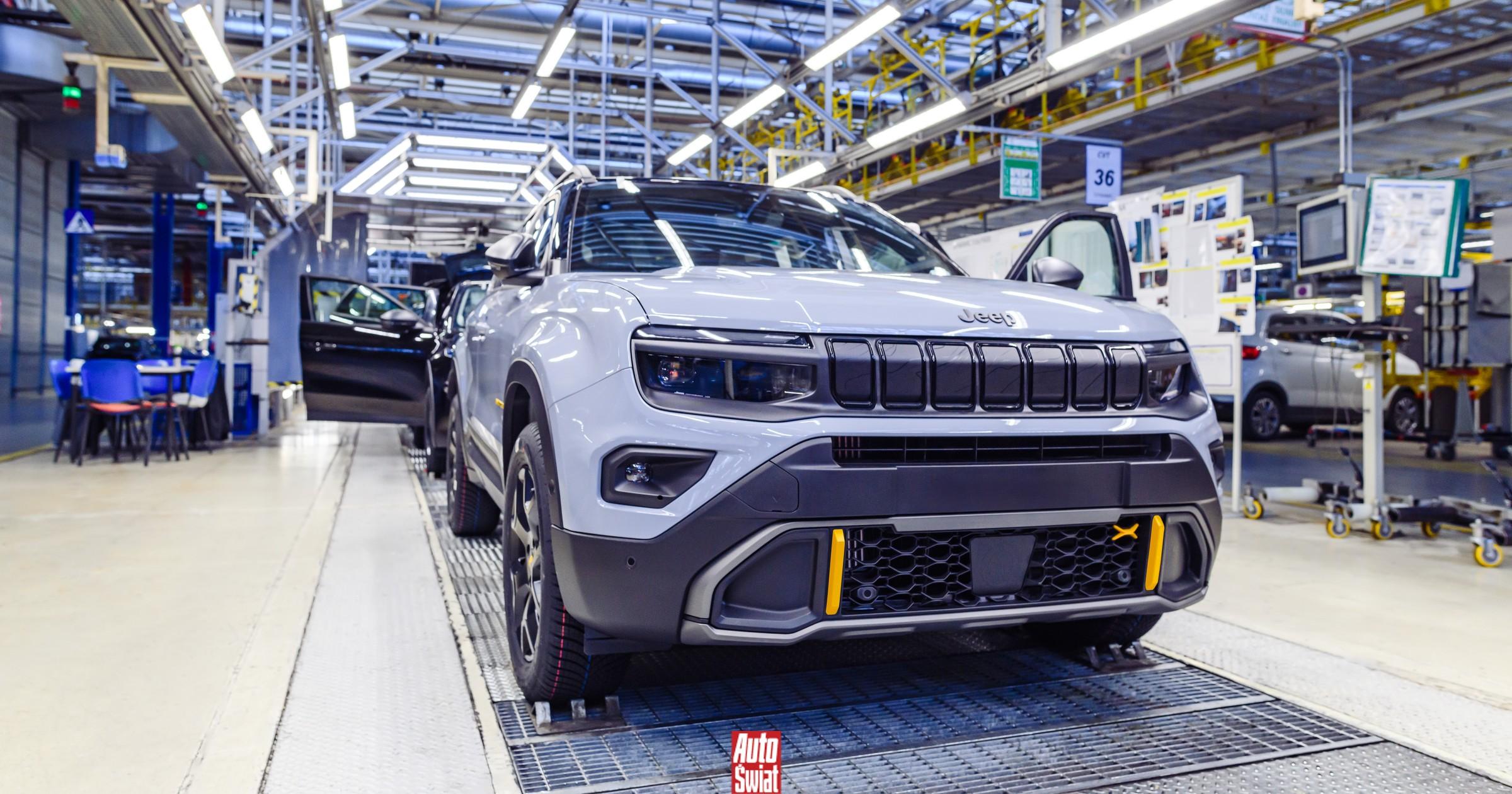
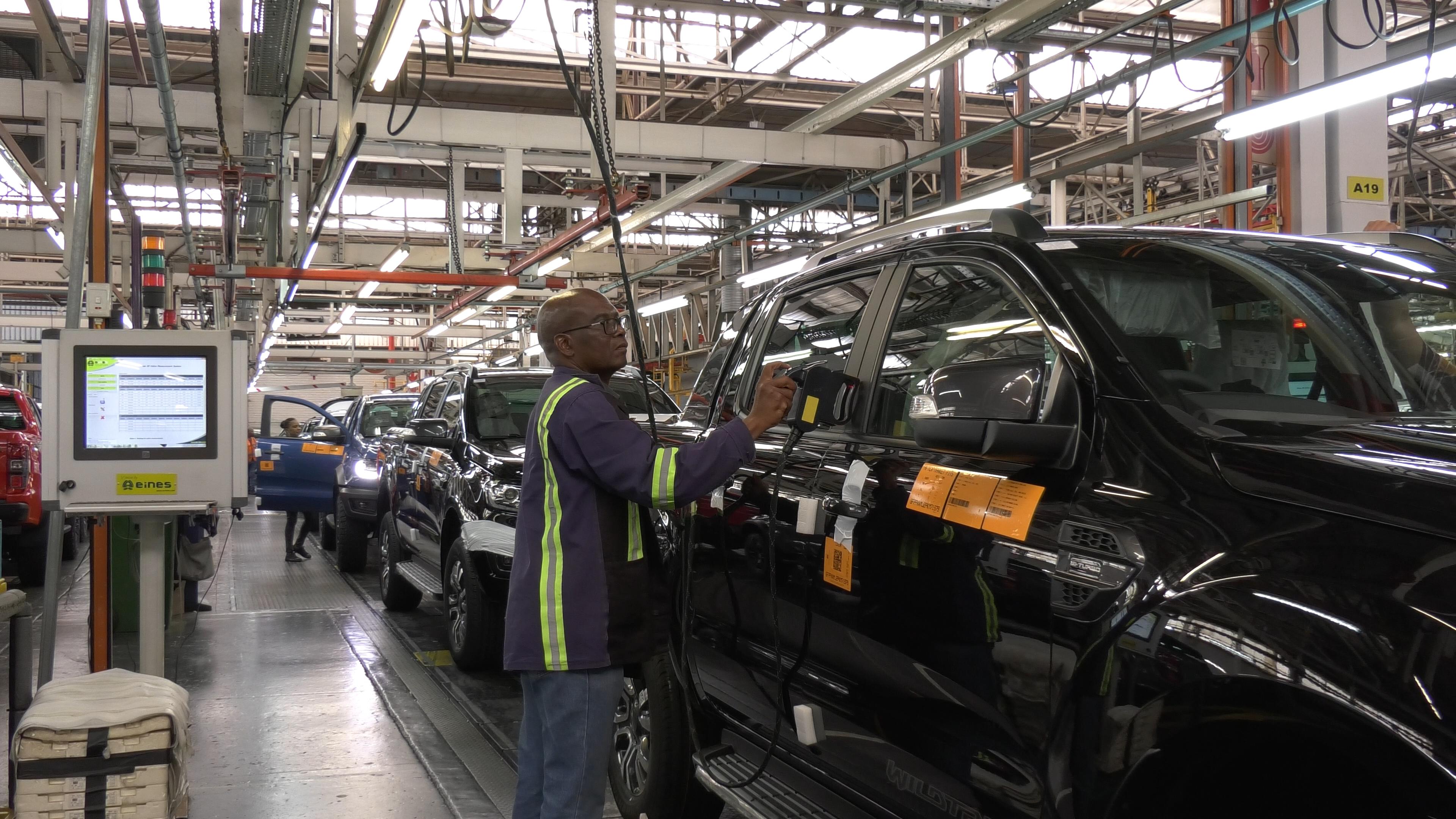
In an interesting development, Stellantis is exploring a potential deal with Chinese automaker Dongfeng to repurpose Italian manufacturing plants. This move could signal a broader shift in how European automakers are adapting to global EV trends by partnering with Asian manufacturers. It also underscores the importance of strategic alliances in maintaining competitiveness and optimizing production capabilities.
McLaren's Nurburgring Testing Efforts to Recover Ground
Formula 1’s McLaren team is ramping up efforts to recover lost ground through intensive testing at the Nurburgring. This approach reflects the team’s commitment to performance and technological advancement, even as they navigate a challenging season. The Nurburgring, known for its demanding track layout, offers a crucial proving ground for any F1 team aiming to improve their competitiveness.
Polestar Warns of Plug-In Hybrid Irrelevance in EV Era
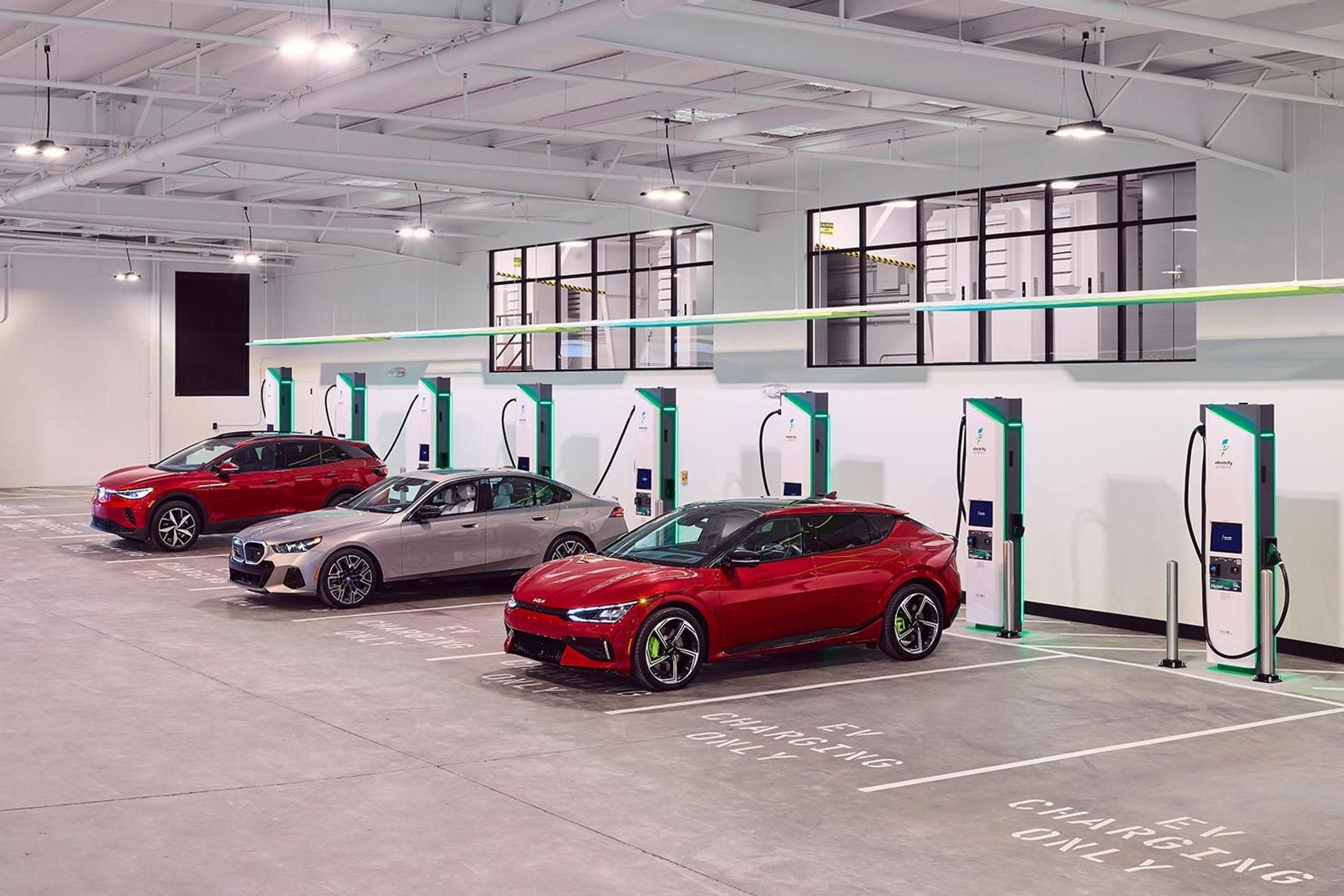
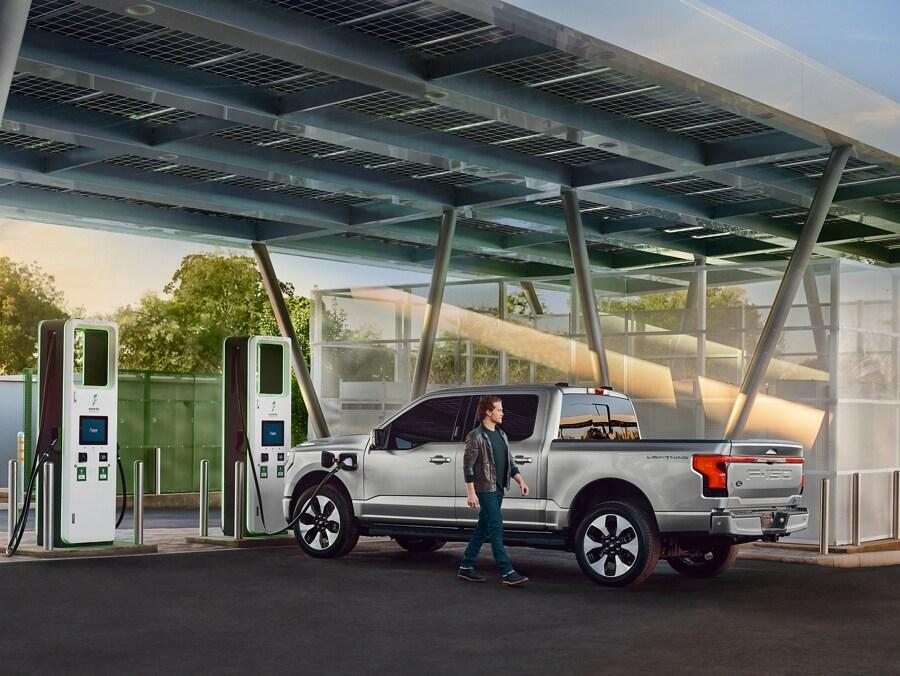
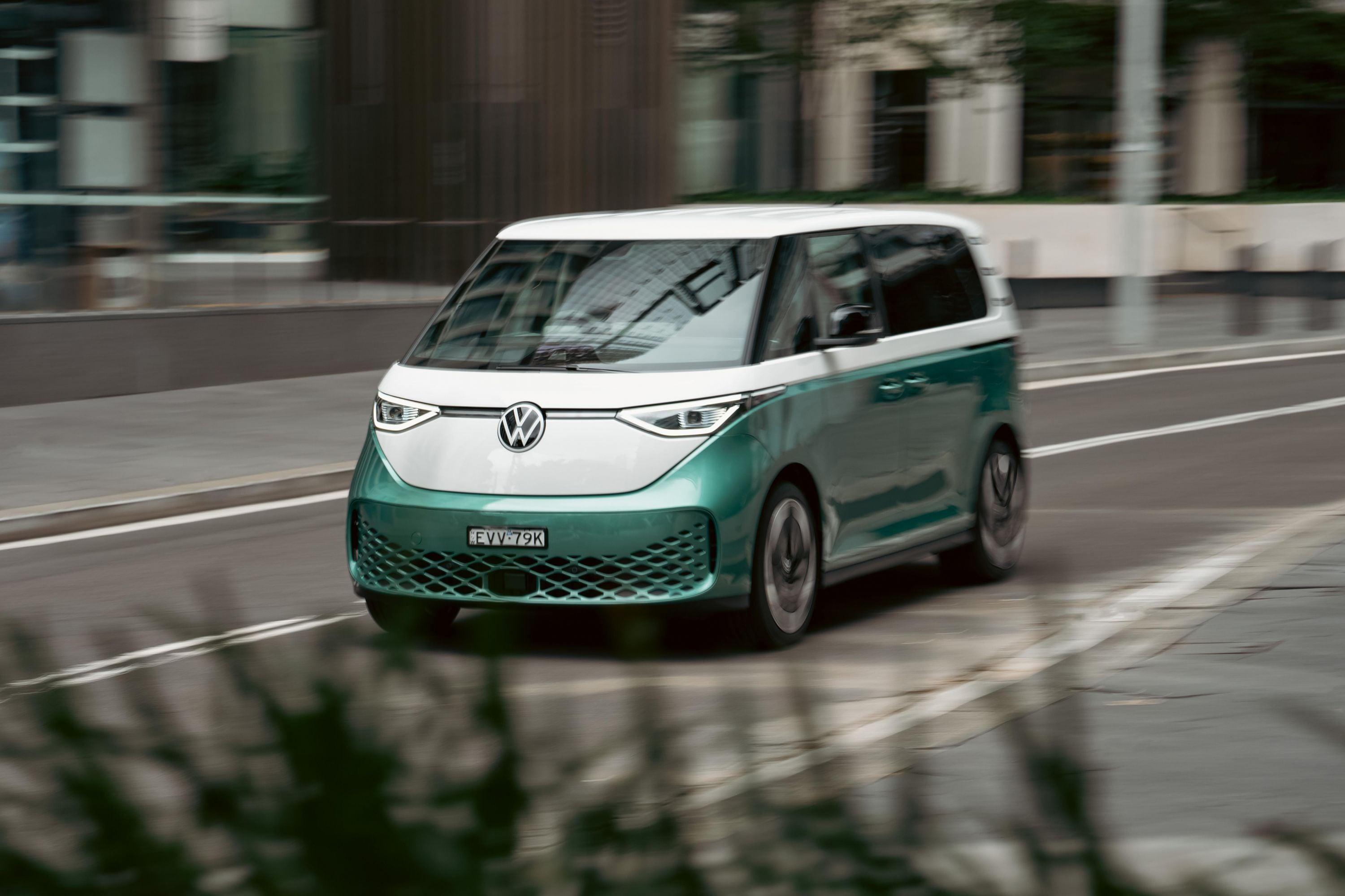
Polestar Australia is issuing a warning that plug-in hybrids are becoming increasingly irrelevant in the era of electric vehicles. This sentiment aligns with broader industry trends, where pure electric models are gaining market share and consumer preference. For automakers, this means a strategic pivot away from hybrid technologies toward fully electric platforms.
Honda Odyssey Faces Airbag Safety Concerns
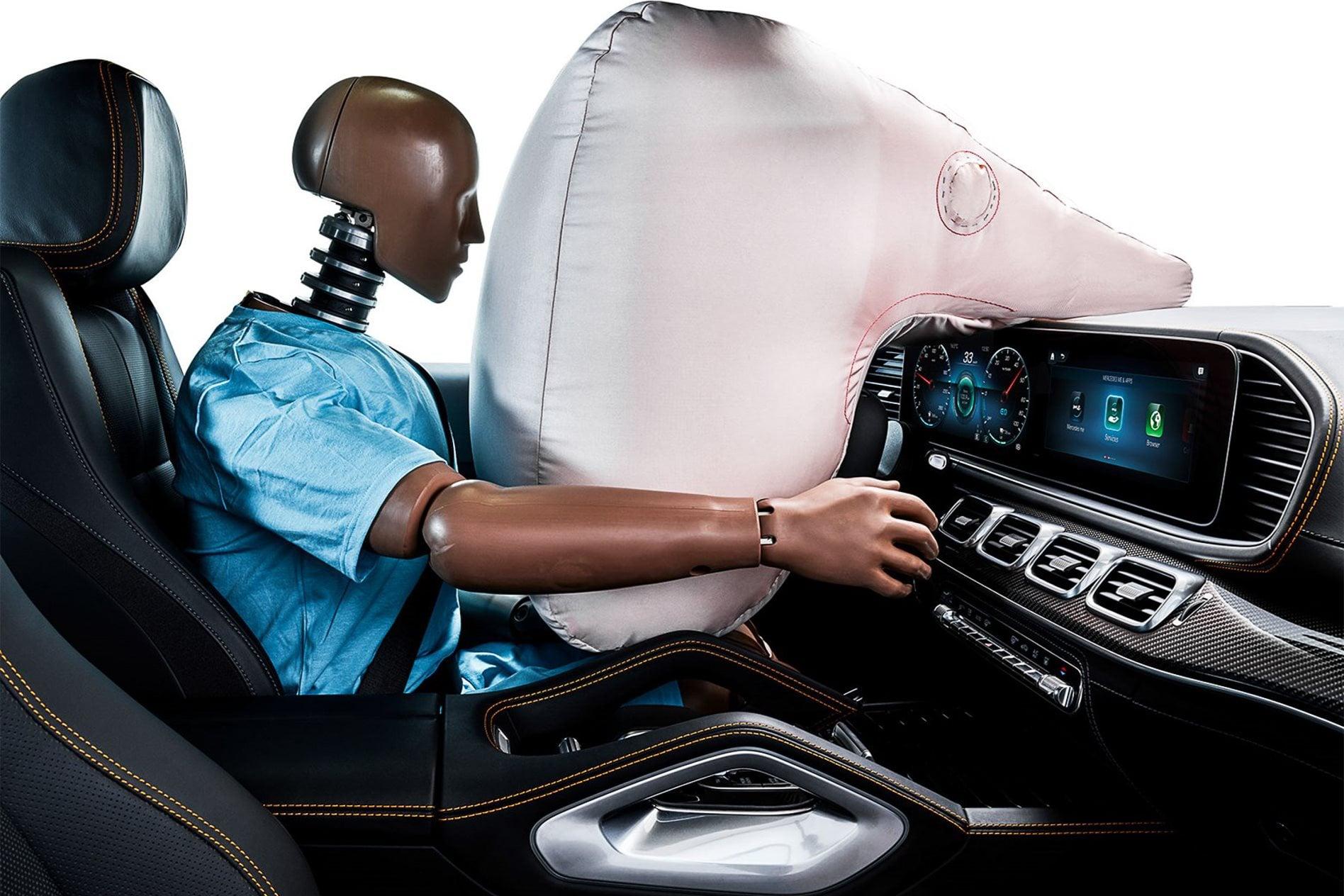
Honda’s Odyssey is under scrutiny due to safety concerns over unintended airbag deployments triggered by road irregularities. This issue highlights the importance of rigorous testing and design considerations in ensuring vehicle safety. As automakers integrate more advanced features into their vehicles, maintaining a balance between innovation and safety becomes critical.
BYD Reaches 100,000 Vehicle Deliveries in Australia
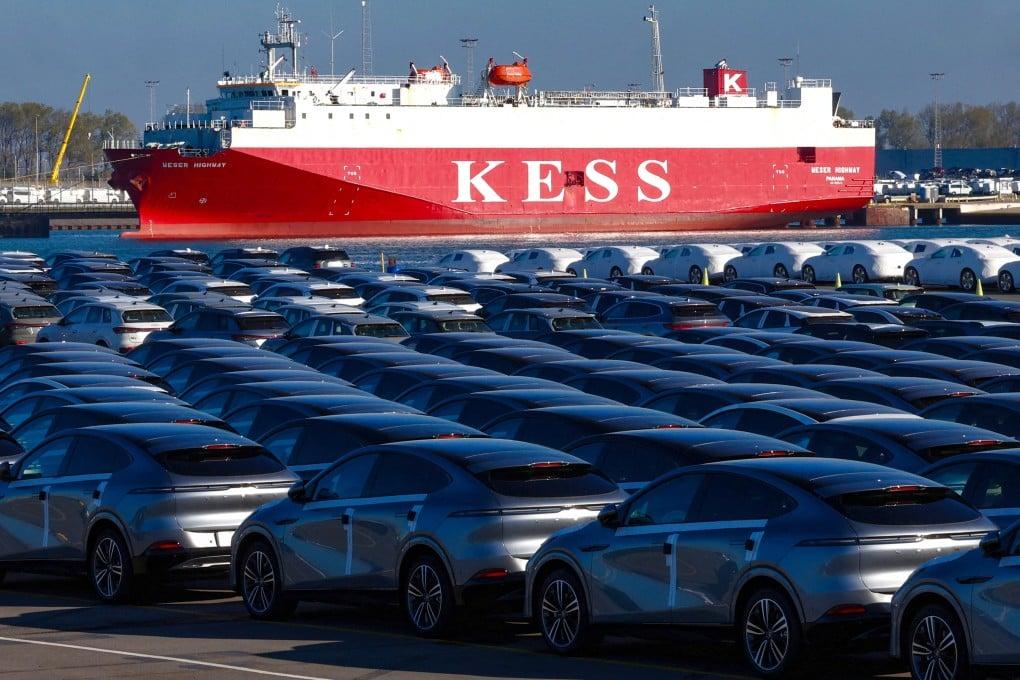
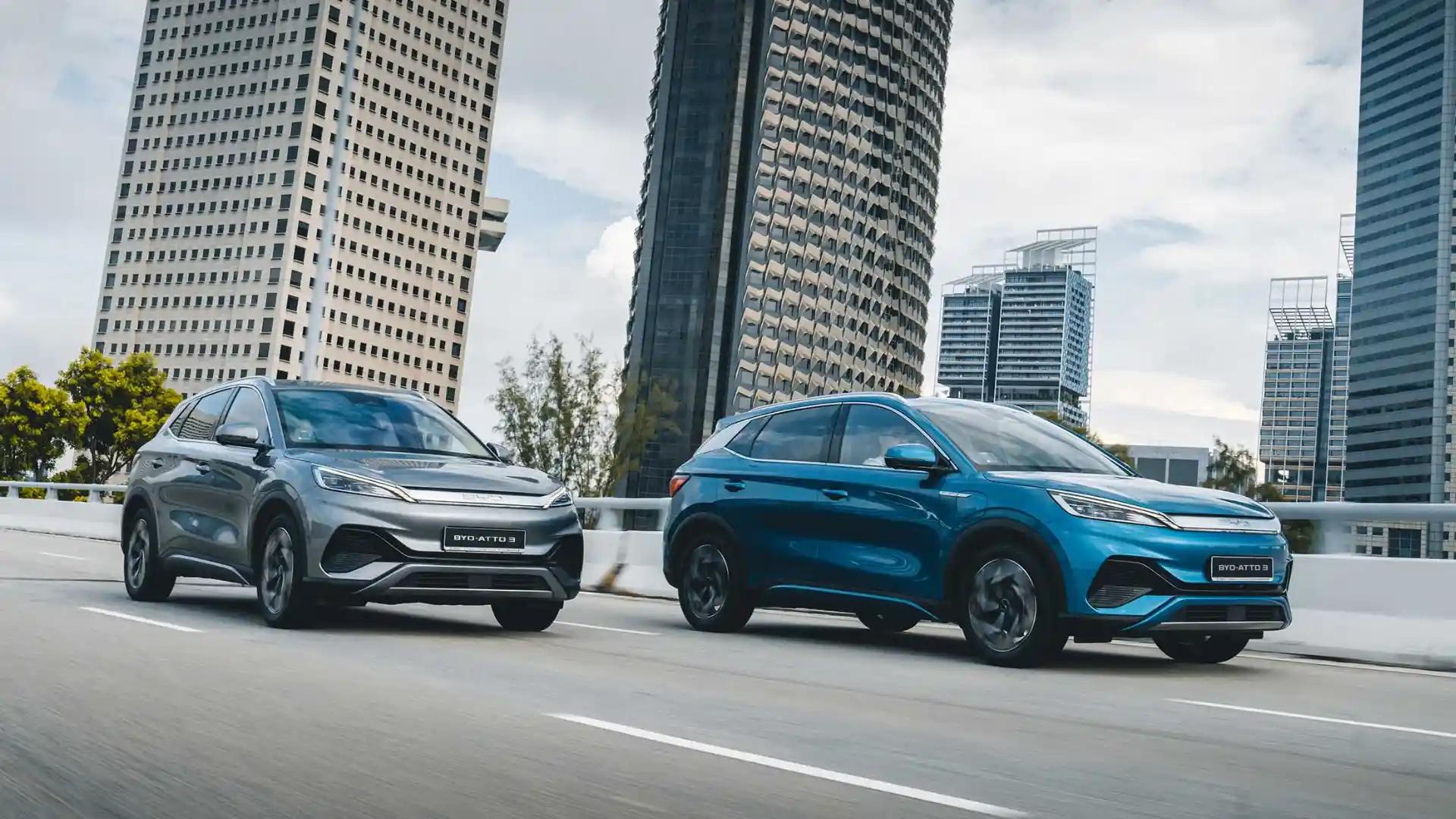
BYD has hit a major milestone in Australia with its 100,000th vehicle delivery—more than half of which occurred within the last year. This achievement underscores the growing influence of Chinese EV brands in global markets and reflects the increasing acceptance of electric vehicles among Australian consumers. BYD’s success illustrates how emerging automakers are leveraging cost-effective production and strong distribution networks to capture market share.
Chevron Urges Fewer Drives Amid Rising Gas Prices
Despite Chevron’s urging to reduce driving due to rising gas prices, surveys show that most Americans have no choice but to continue using personal vehicles. This contradiction highlights the ongoing reliance on personal transportation despite economic pressures. It also suggests that while fuel costs are a concern, the infrastructure and lifestyle factors still make car ownership a necessity for many.
Industry Shifts: EV Adoption and Market Adaptation
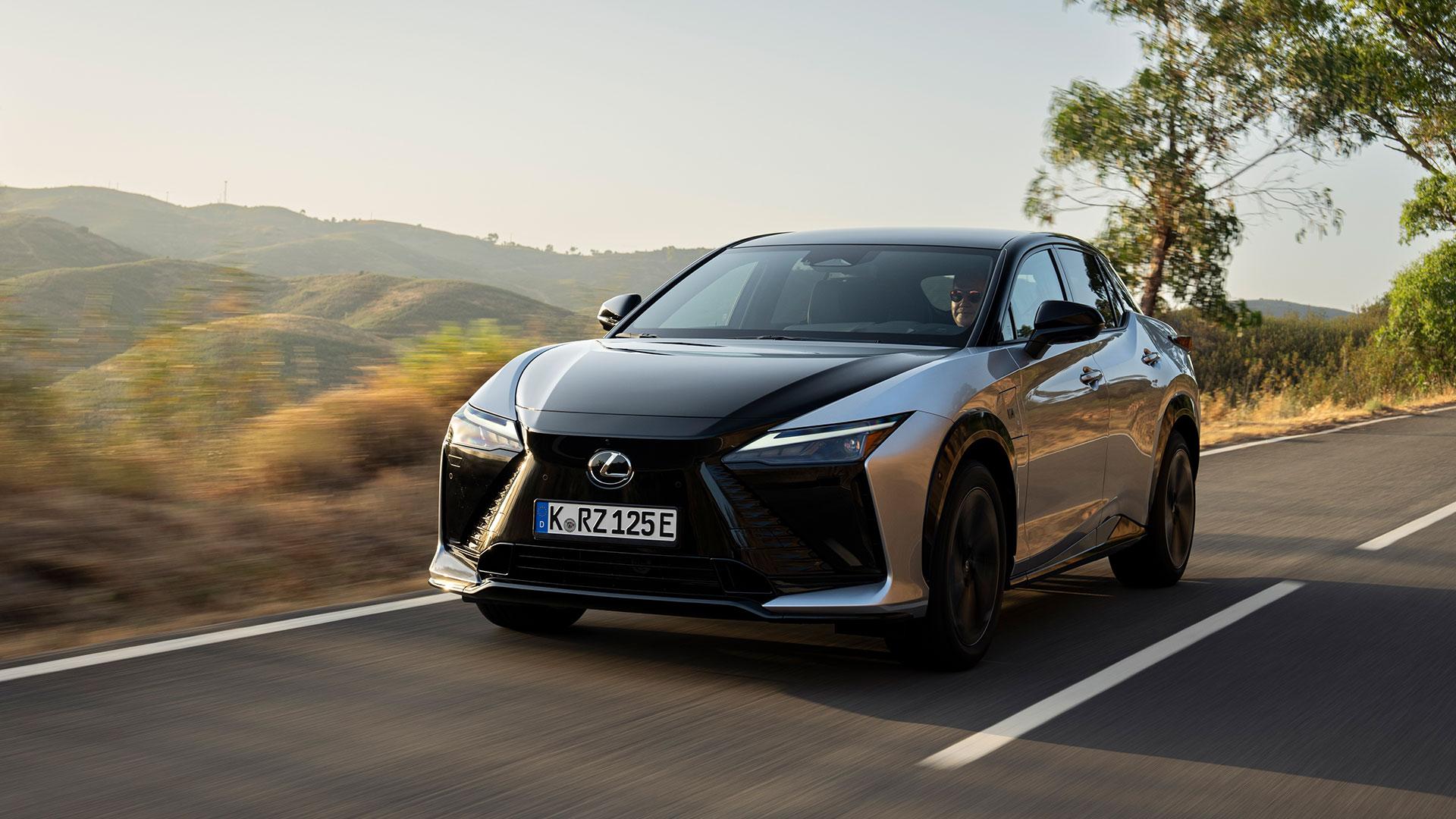
The automotive industry is undergoing a fundamental shift driven by electric vehicle adoption, supply chain challenges, and evolving consumer preferences. Automakers like Stellantis, Honda, and Nissan are adjusting their strategies to stay competitive in this changing landscape. The rise of Chinese brands like BYD also signals that global market dynamics are shifting, with new players entering the fray with innovative technologies and cost-effective models.
What This Means for Car Enthusiasts
For car enthusiasts, today’s news underscores a pivotal moment in automotive evolution. From recalls that highlight safety concerns to new models that blend nostalgia with innovation, the industry is adapting to meet modern demands. As EVs become mainstream, enthusiasts may find themselves navigating a landscape where hybrid and plug-in technologies are becoming less relevant. However, the continued emphasis on performance and design—whether in Formula 1 or consumer vehicles—ensures that passion for driving remains at the core of automotive culture.