IndyCar's Qualifying Shifts, VW Kicks the Bucket, and Tesla's Next Move – What’s Really Shaking Up Auto This Week
The automotive world is a fascinating place where innovation meets unpredictability, and this week has delivered plenty of both. From racing formats that are being rethought to EV production decisions that are sending shockwaves through the industry, it’s clear that the auto sector is in a constant state of evolution. Whether it's a major manufacturer pulling the plug on a product line or a luxury brand facing legal scrutiny, the signs are unmistakable: we’re in a period of rapid change, and it’s not slowing down.
What’s especially interesting this week is how different segments of the automotive industry are reacting to market pressures. While some companies are doubling down on electrification, others are backing away from it—sometimes with dramatic results. Meanwhile, design leaders are making bold moves that could redefine what cars look like in the near future. It's a week that perfectly encapsulates the tension between ambition and reality in today’s automotive landscape.
This is the kind of news that gets car enthusiasts excited—and sometimes worried. The shifts we’re seeing aren’t just about sales or production numbers; they’re about what the future of driving might look like, who will lead that charge, and how quickly the industry can adapt to new realities. So let’s dive into today’s biggest stories and break down what they mean for the world of cars.
IndyCar's New Qualifying Format Aims to Spice Up Street Racing
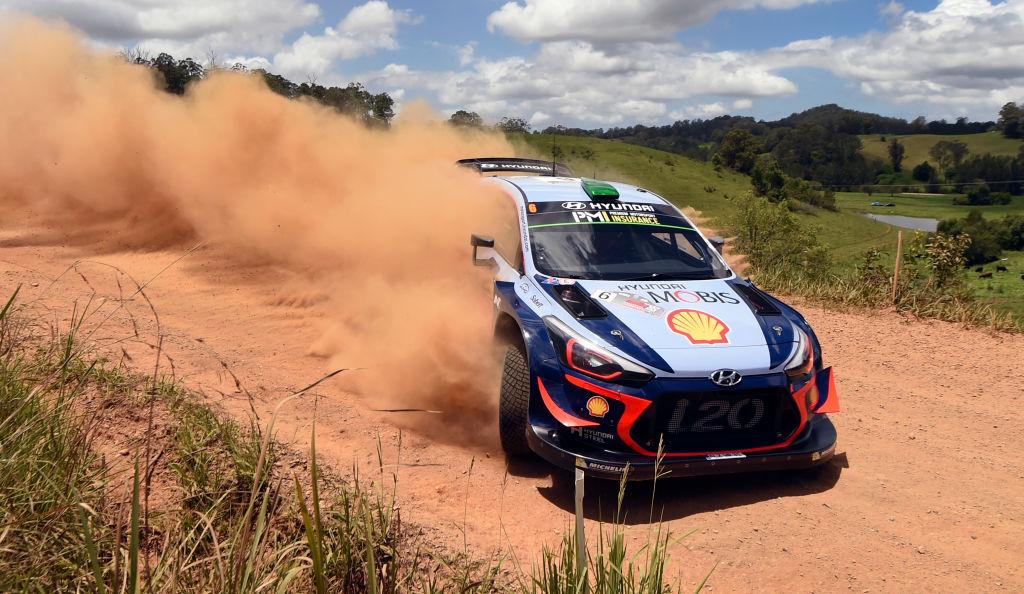
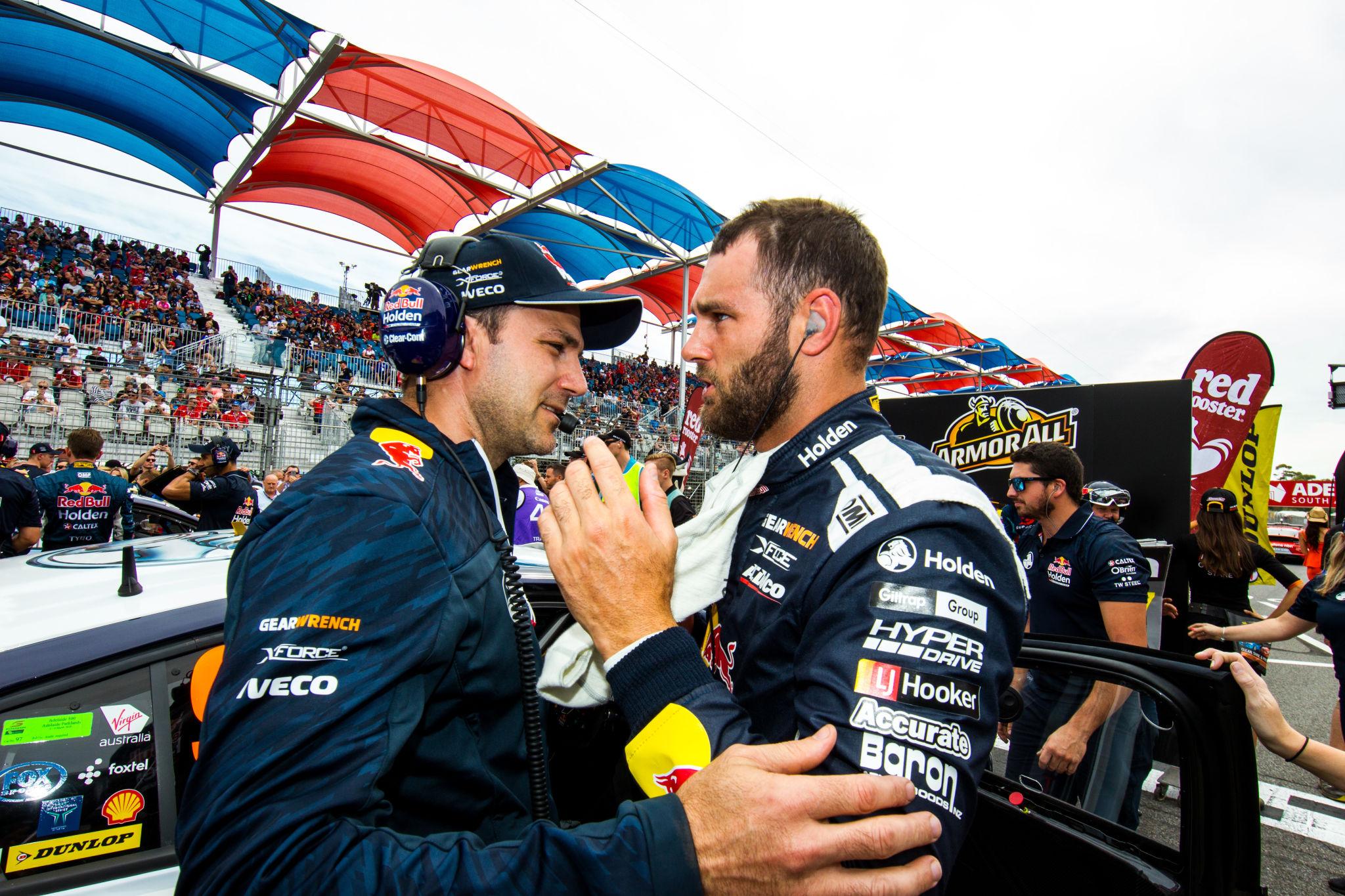
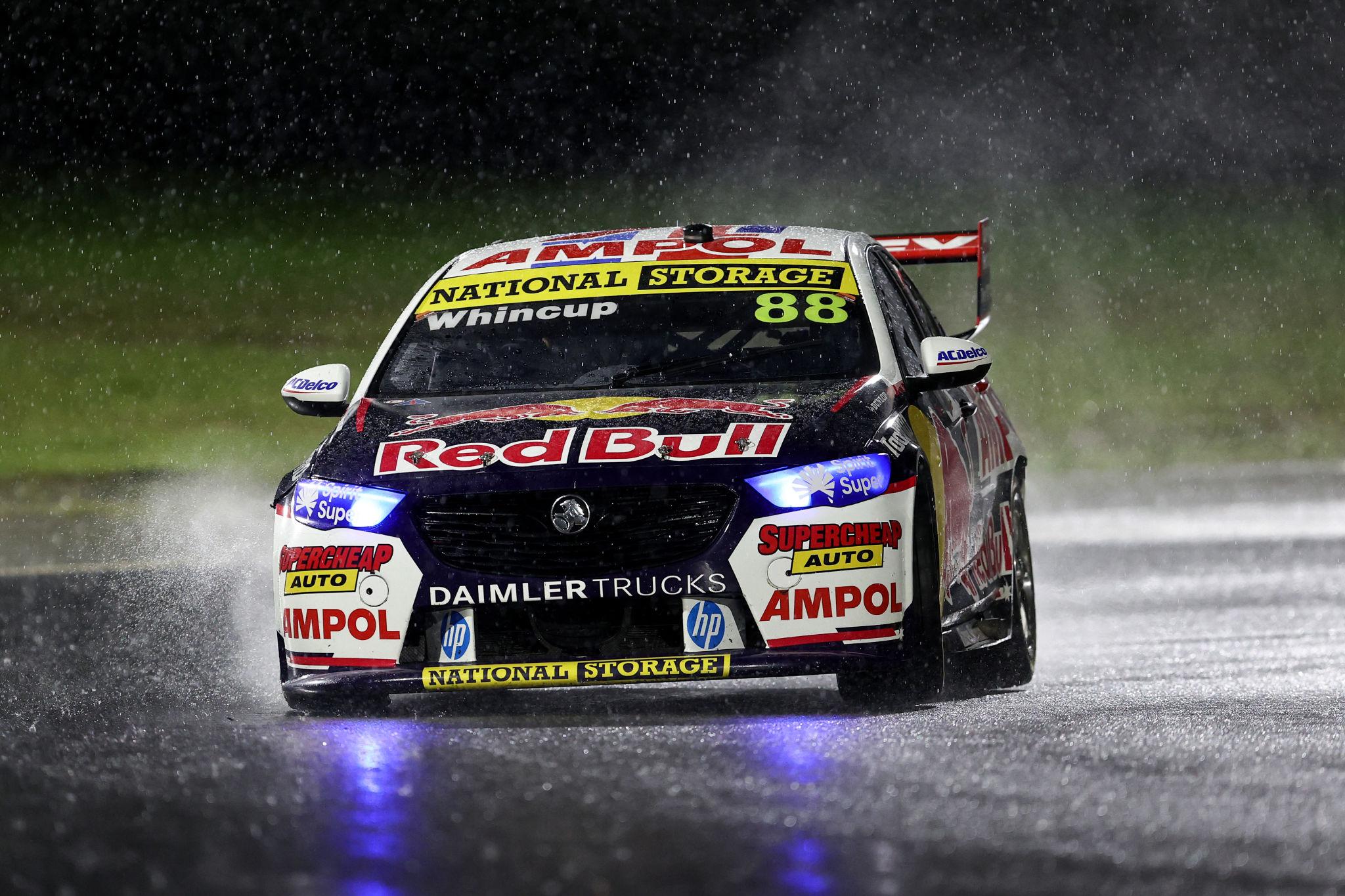
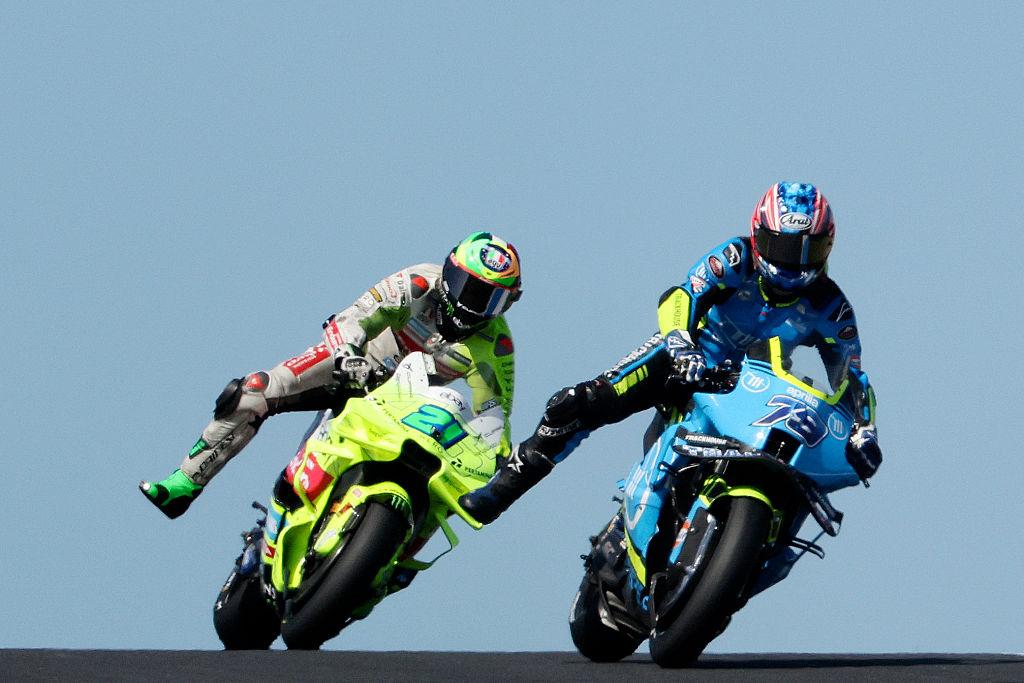
IndyCar has been quietly reshaping its single-car qualifying format, especially for street circuits, in an effort to make races more competitive and unpredictable. The goal is simple: create a more engaging spectacle for fans while ensuring that every driver has a fair shot at the pole position.
While the format has already shown promise in earlier races, this latest expansion suggests that IndyCar is serious about making these events more dynamic. It’s not just about who can go fastest—it’s about strategy, timing, and the ability to adapt under pressure. This evolution could set a precedent for other racing series looking to inject more excitement into their formats.
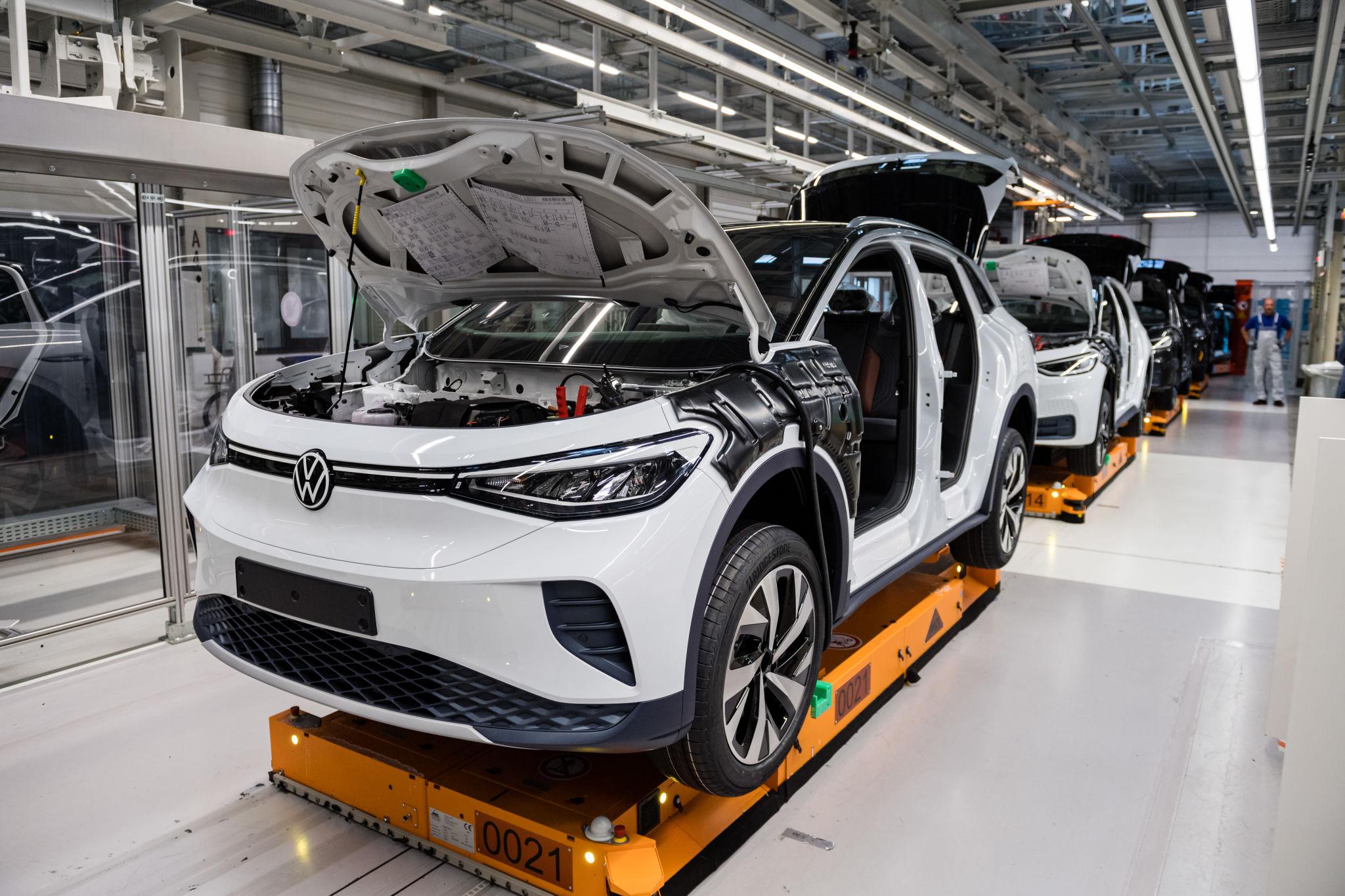
VW Kills US ID.4 Production Amid 96% Sales Collapse
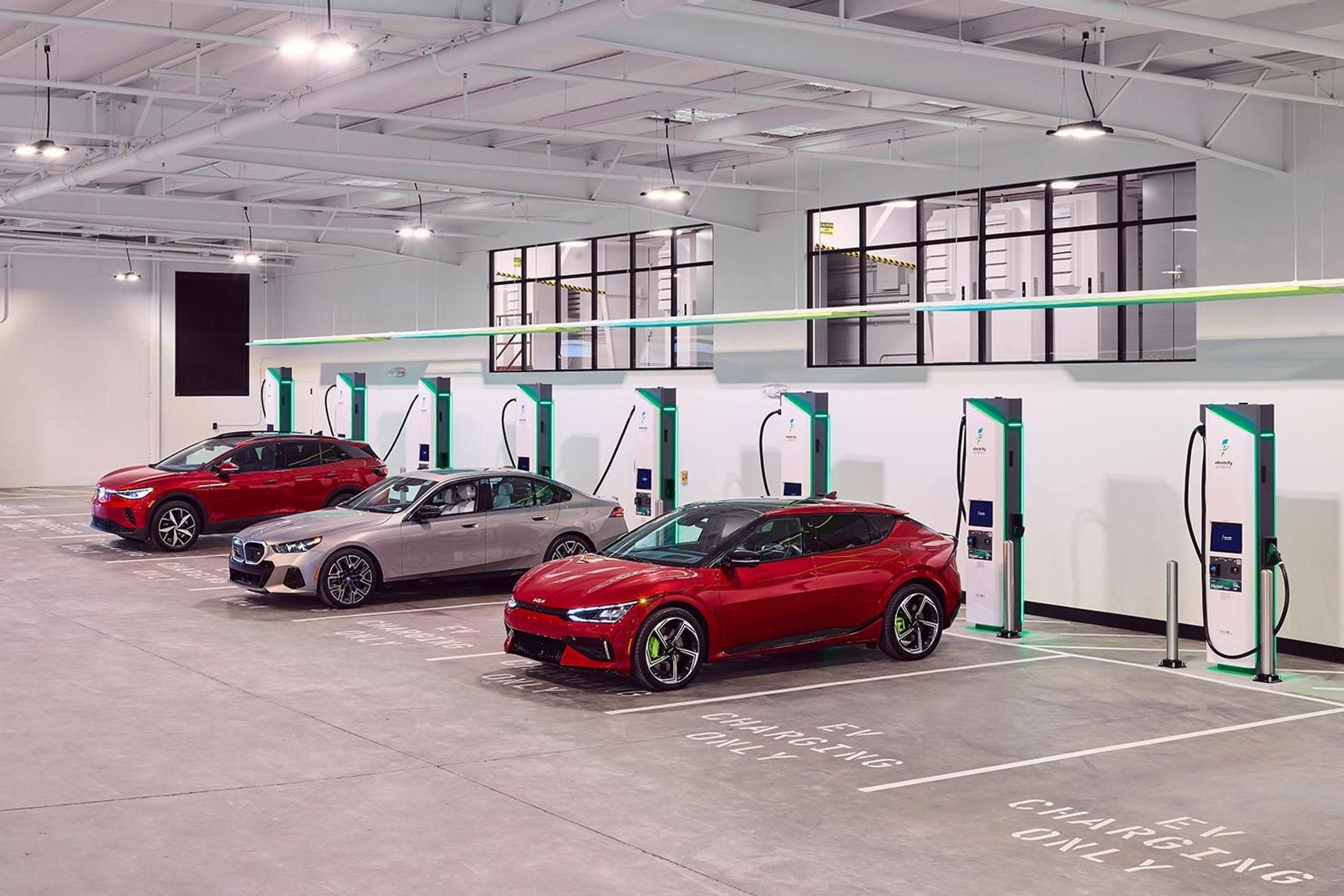
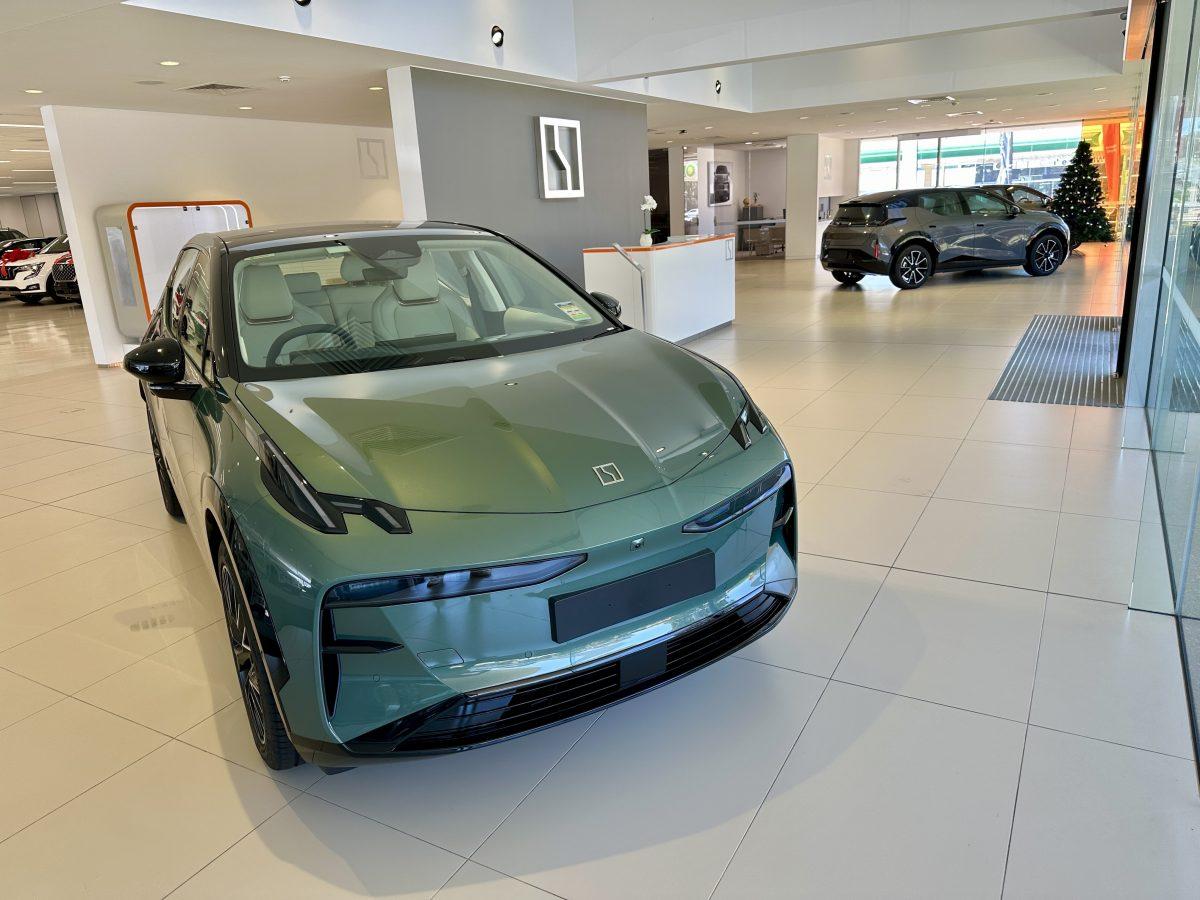
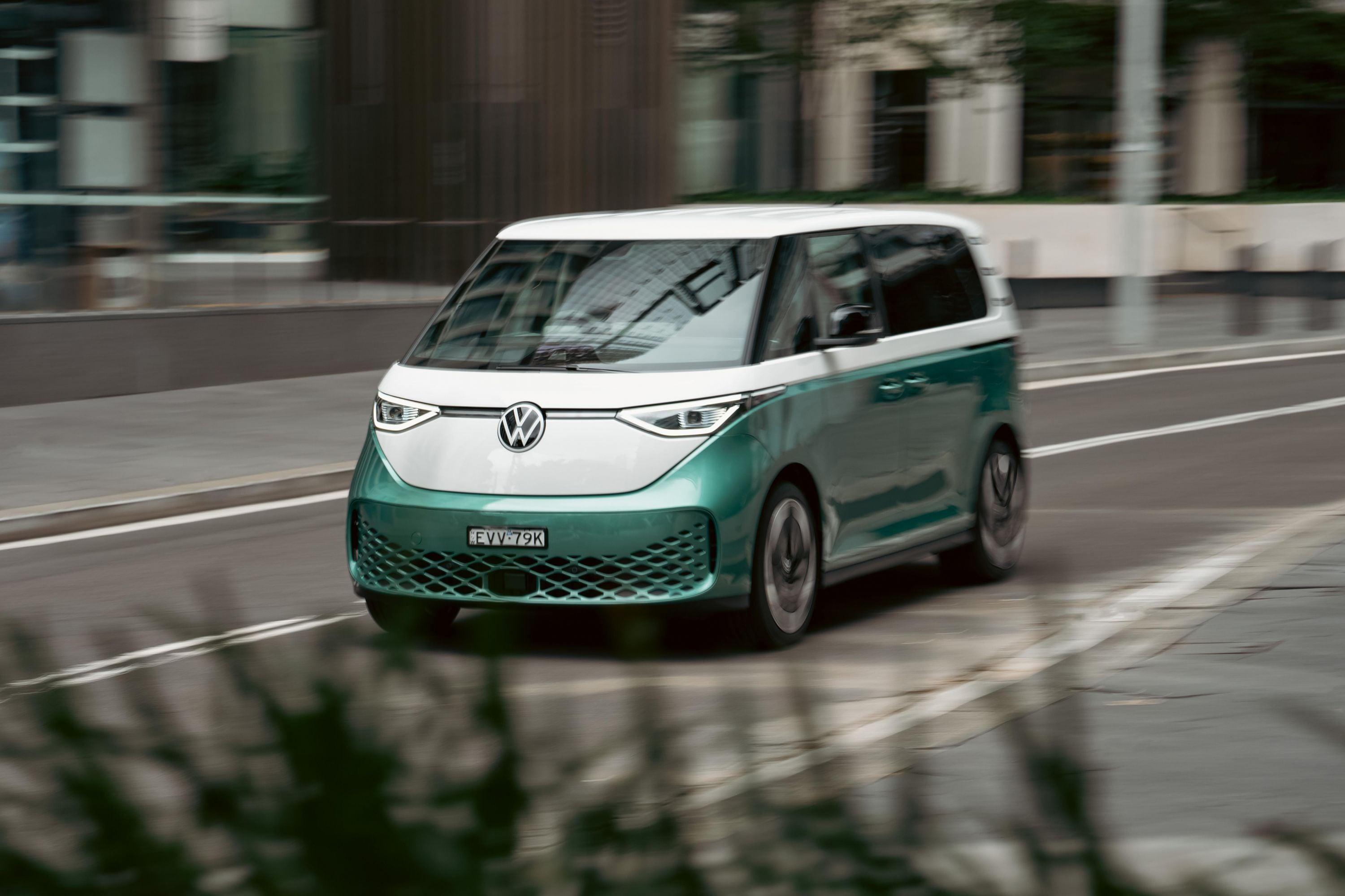
Volkswagen has officially announced that it will discontinue production of the ID.4 in the United States, citing a staggering 96% drop in sales as the primary reason. This is a stark reminder of how quickly consumer expectations can shift—and how unprepared some automakers are to meet them.
The ID.4 was meant to be VW’s flagship electric SUV, but it failed to resonate with American buyers, who were put off by high prices, limited charging infrastructure, and a lack of compelling features compared to its competitors. The decision is a major setback for the German automaker, which had hoped to establish itself as a serious player in the U.S. EV market.
Cadillac Faces Lawsuit Over Potential Lyriq Electrical Issues
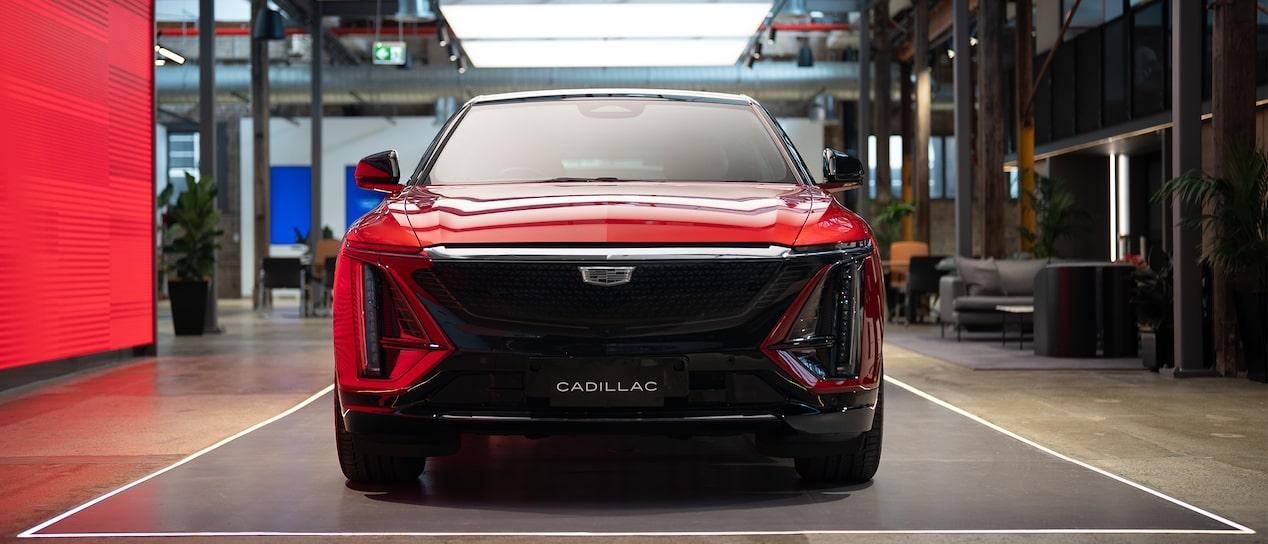
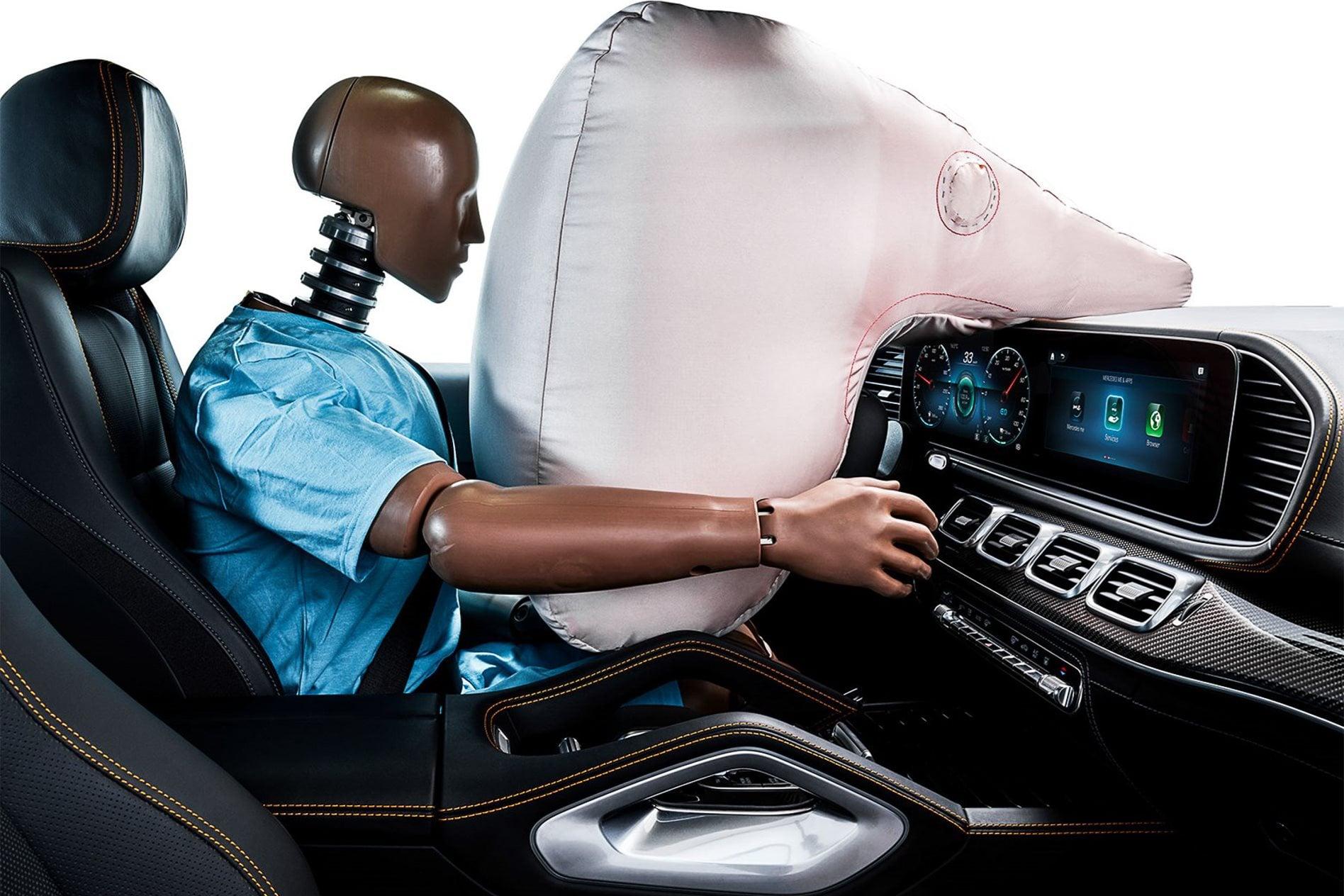
Cadillac is facing a lawsuit that alleges the Lyriq SUV could suffer sudden electrical failures that leave owners stranded without warning. While such claims are still under investigation, they highlight growing concerns about EV reliability and the need for better safety standards in electric vehicles.
As automakers race to introduce more EVs, ensuring robust quality control becomes increasingly critical. If these issues persist, it could lead to a broader conversation about how manufacturers handle the transition to electrification—and whether consumers are being adequately protected.
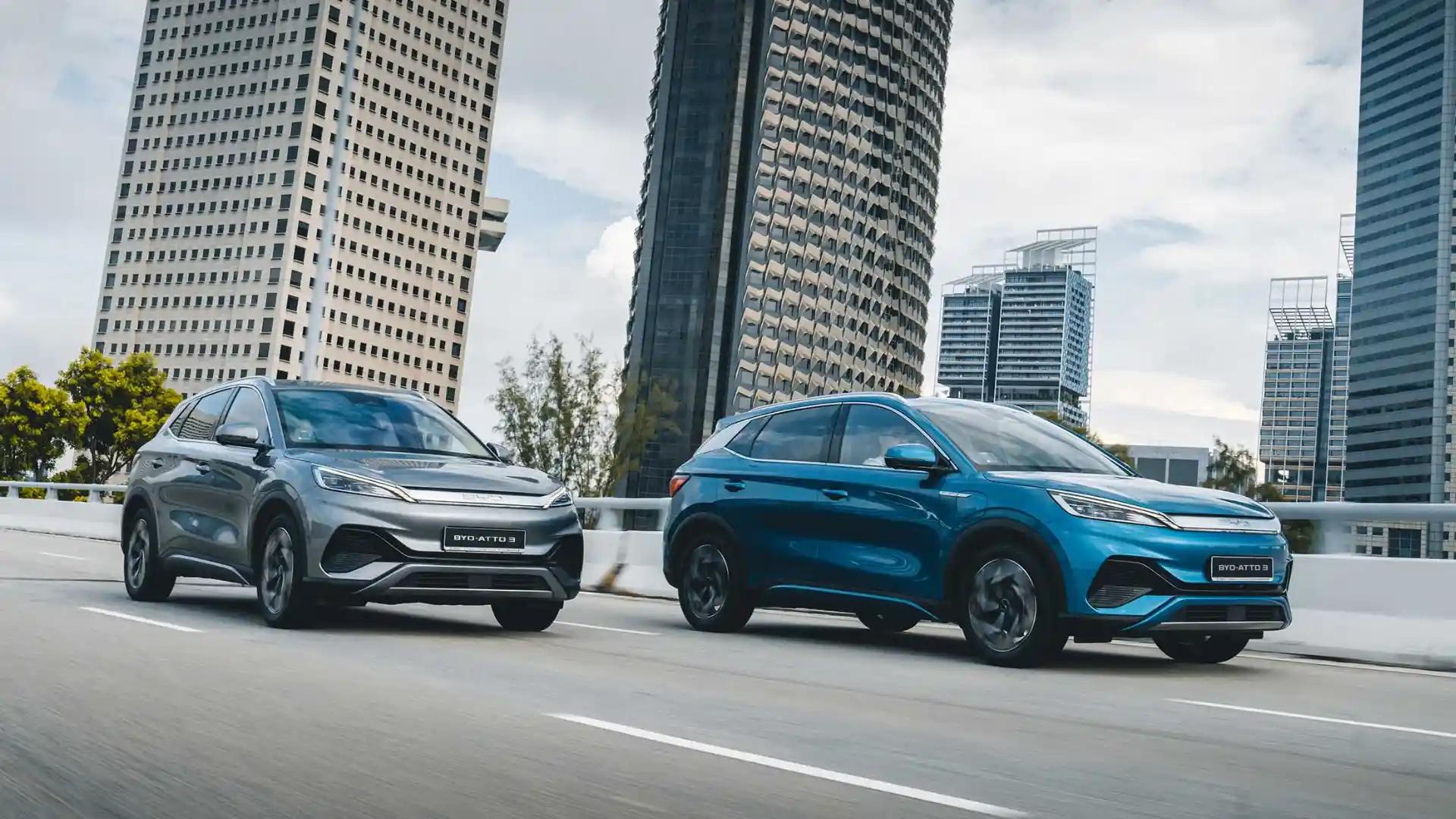
Tesla Plans Smaller SUV to Compete with BYD’s Atto 2
Tesla is reportedly reviving development of a smaller, more affordable SUV—possibly in response to the success of BYD’s Atto 2. This move underscores how the EV market is becoming increasingly crowded and competitive.
The new model would likely target price-conscious buyers who are looking for an electric vehicle but aren’t ready to commit to a higher-end option. If Tesla can deliver on its promise, it could significantly disrupt the mid-tier EV segment, especially as BYD continues to gain traction in global markets.
Ford’s Mustang Designer Joins McLaren as Design Chief
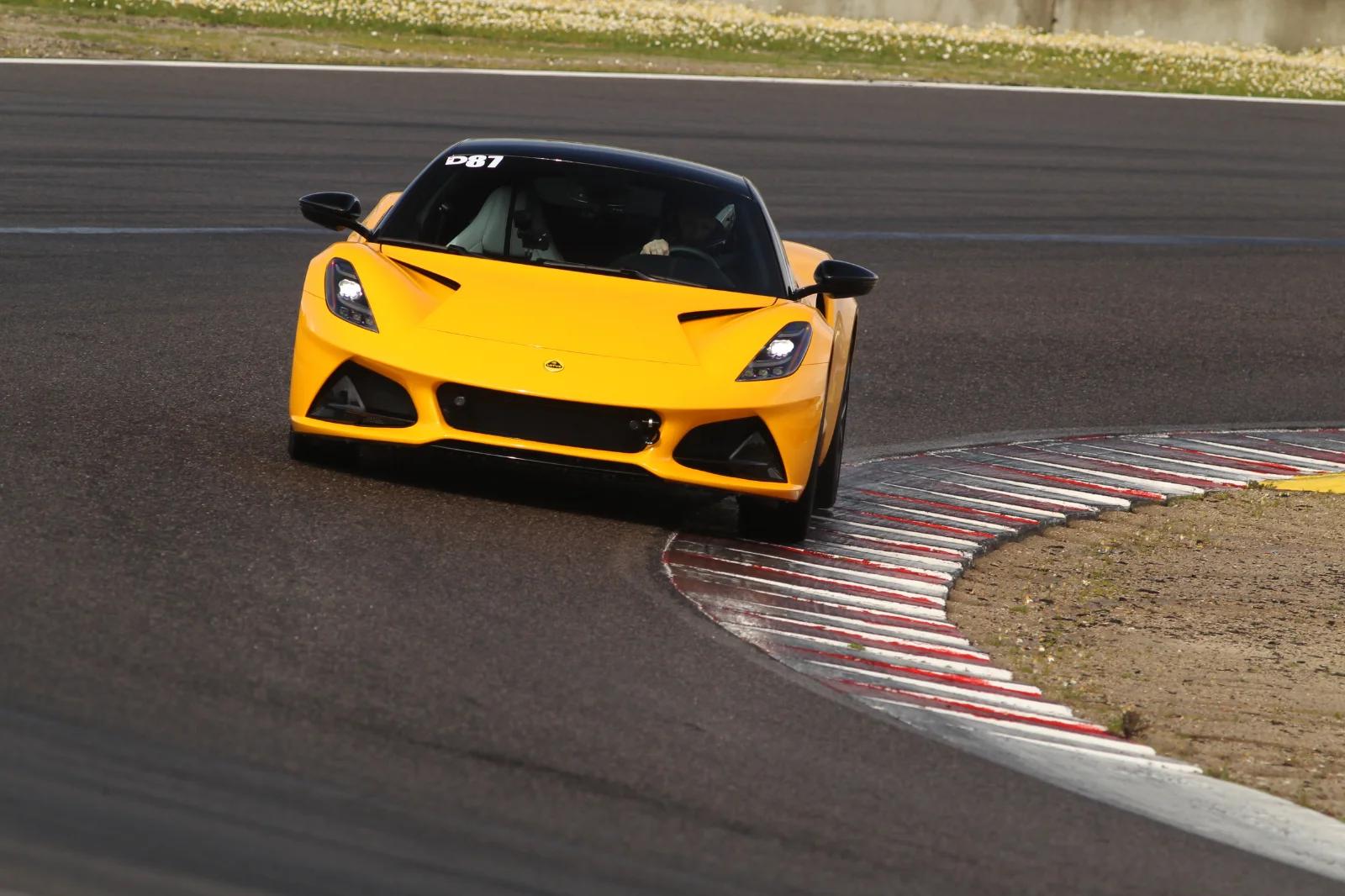
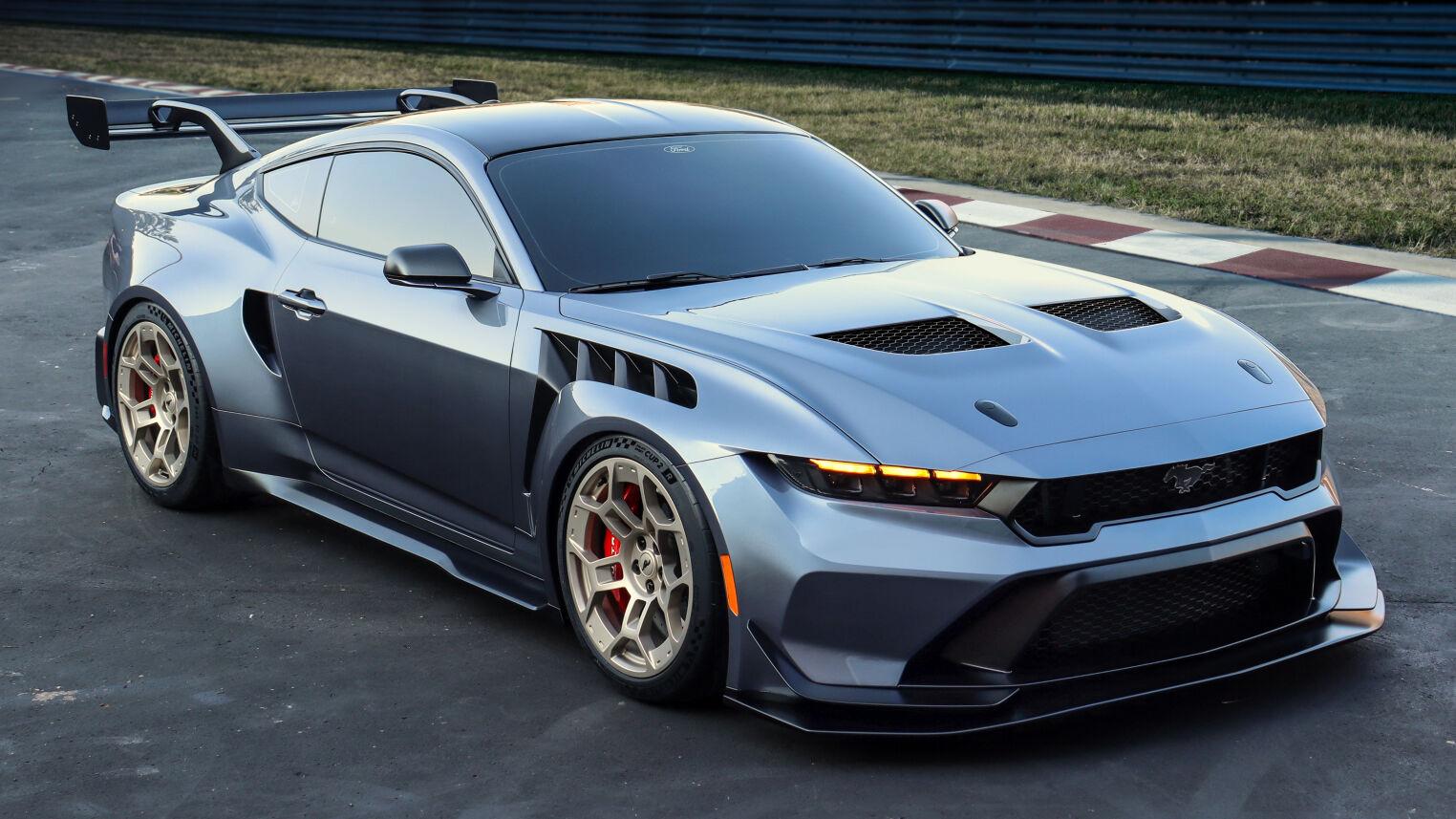
A major shift in automotive aesthetics is underway, with Kemal Curic, former designer of the Ford Mustang, now leading design efforts at McLaren. This move signals a potential evolution in how performance and style are merged in modern vehicles.
Curic’s experience in creating iconic muscle car designs brings a unique perspective to McLaren, which has long been known for its Formula 1-inspired engineering. His involvement could lead to more visually striking yet aerodynamically efficient vehicles that bridge the gap between luxury and performance.
Nissan Z Model Delayed Pending GT-R Development
Meanwhile, Nissan’s next-generation Z model is still on hold, as the automaker focuses its resources on an unreleased GT-R variant. The delay raises questions about how much longer consumers will have to wait for a new Z, especially with competitors like Mazda and Toyota making their own moves in the sports car space.
It’s a classic case of prioritization—Nissan is betting big on one model, which could either pay off or leave fans disappointed. The timing of the GT-R’s release will likely determine whether this strategy pays off in the long run.
China's Automakers Gain Ground in U.S. Market
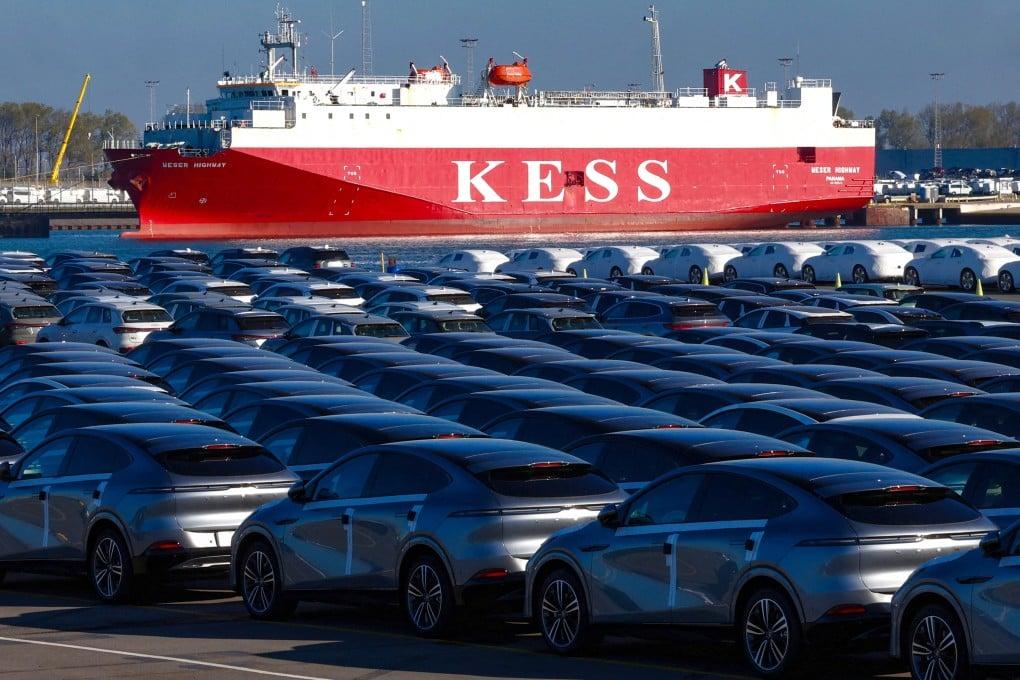
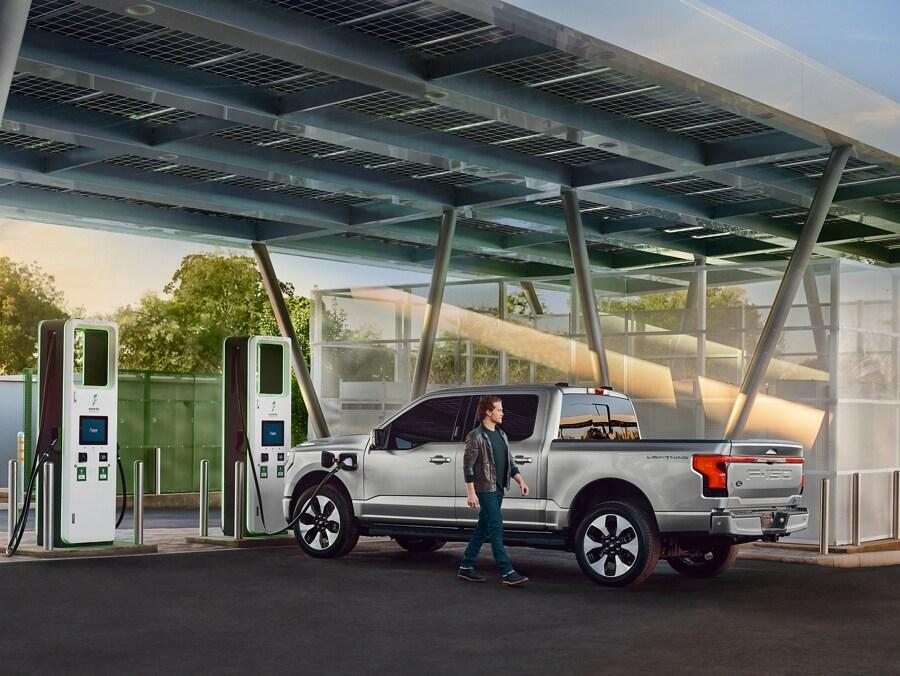
BYD and other Chinese automakers are making significant inroads into the American truck market, capitalizing on Ford’s F-150 pricing strategies. The presence of brands like BYD is a clear sign that the global automotive landscape is shifting—and not just in terms of sales figures.
As more Chinese manufacturers expand their footprint in North America, expect to see more competition across segments—from affordable EVs to high-end luxury vehicles. This trend will likely force traditional automakers to reevaluate their pricing and product strategies.
What This All Means for Car Enthusiasts
This week’s developments paint a vivid picture of an industry that is both fiercely competitive and deeply uncertain. For car enthusiasts, it means more choices but also more challenges—especially when it comes to reliability, affordability, and the future of driving technologies.
Whether you're a fan of classic muscle cars, passionate about EV innovation, or excited by the latest racing formats, there’s no denying that we’re living through a pivotal time in automotive history. The decisions made today will shape not just what we drive tomorrow—but how we think about driving itself.