Mercedes EQ C-Class, F1 Regulation Stalls, and Supercar Racing Push Through Storms
The automotive world is in full motion this Friday, April 10, 2026, with a mix of electric breakthroughs, motorsport drama, and high-performance updates that keep the industry buzzing. From luxury EVs taking shape to Formula 1’s regulatory roadblocks and supercar races pushing through extreme weather, today’s headlines reflect the rapid evolution of automotive culture. Whether it's the end of an era for Audi’s RS3 or the rise of a new generation of high-horsepower Mustangs, this is a day that shows how the industry continues to balance innovation with tradition. The blend of commercial electrification and pure racing spirit is shaping not just what we drive, but how we experience the thrill of speed.
Mercedes Electric C-Class EQ Enters Final Production Phase
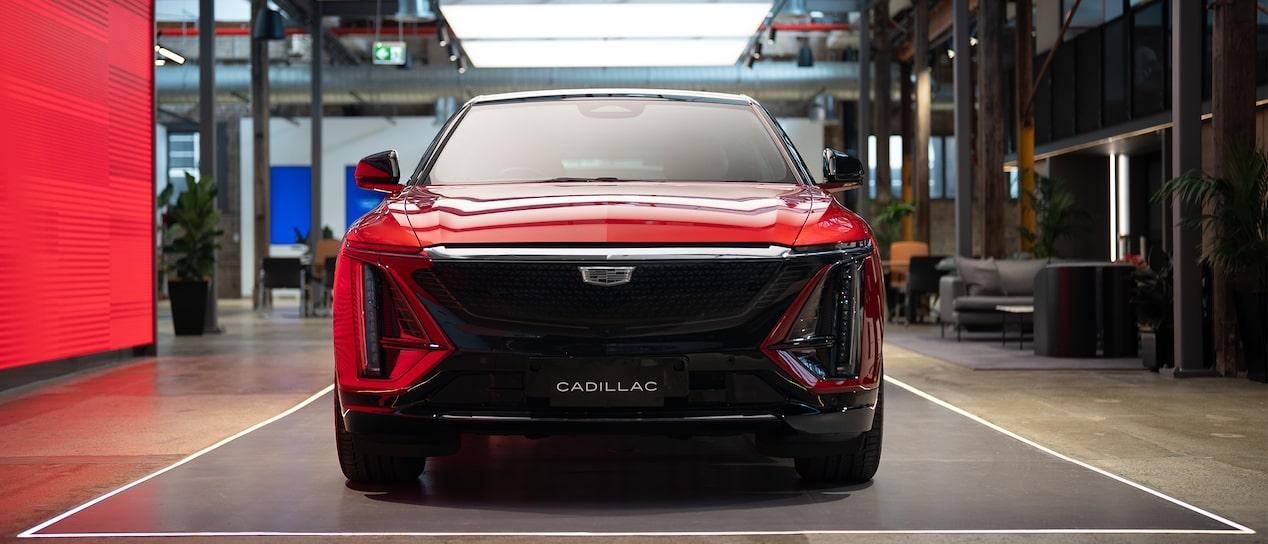
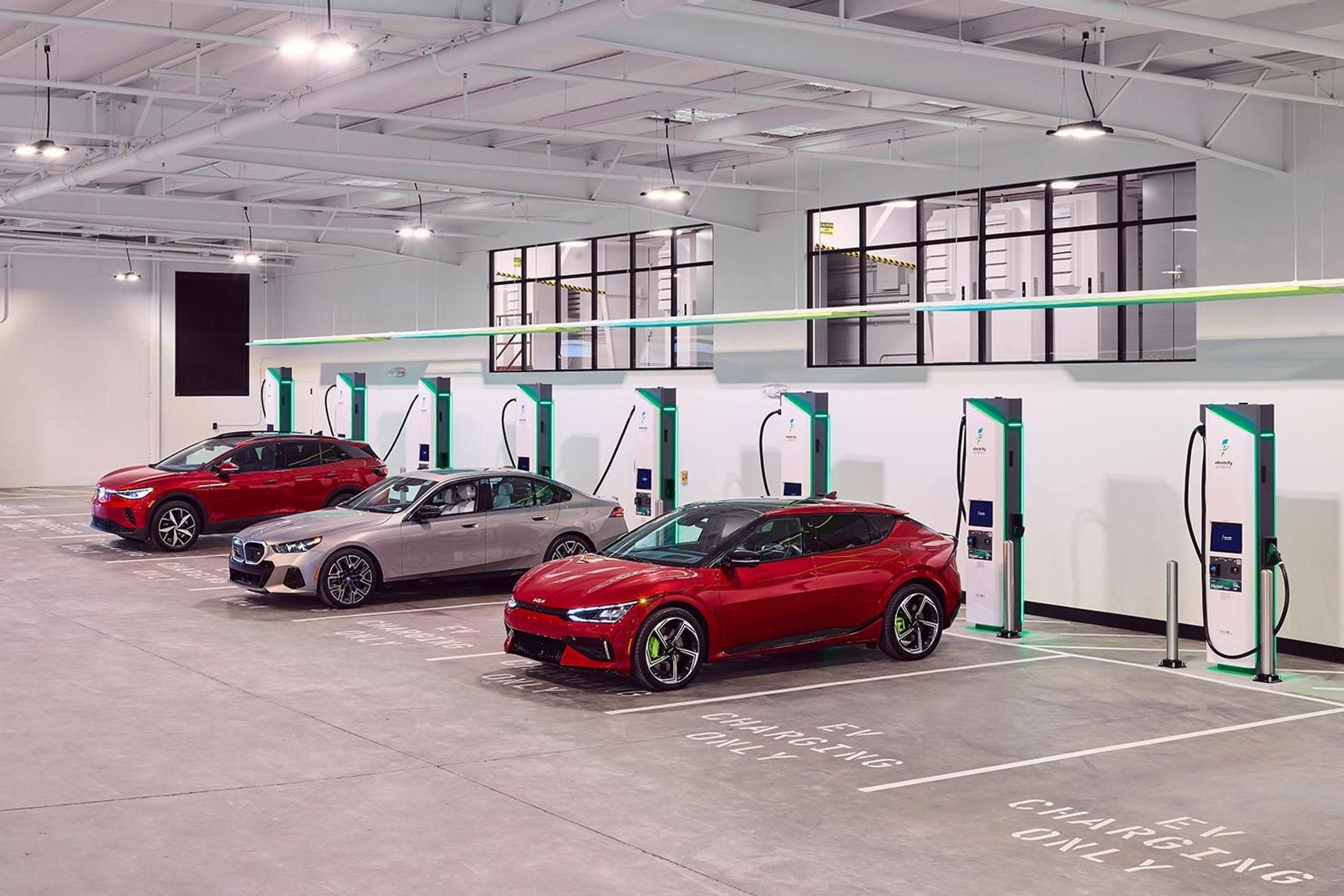
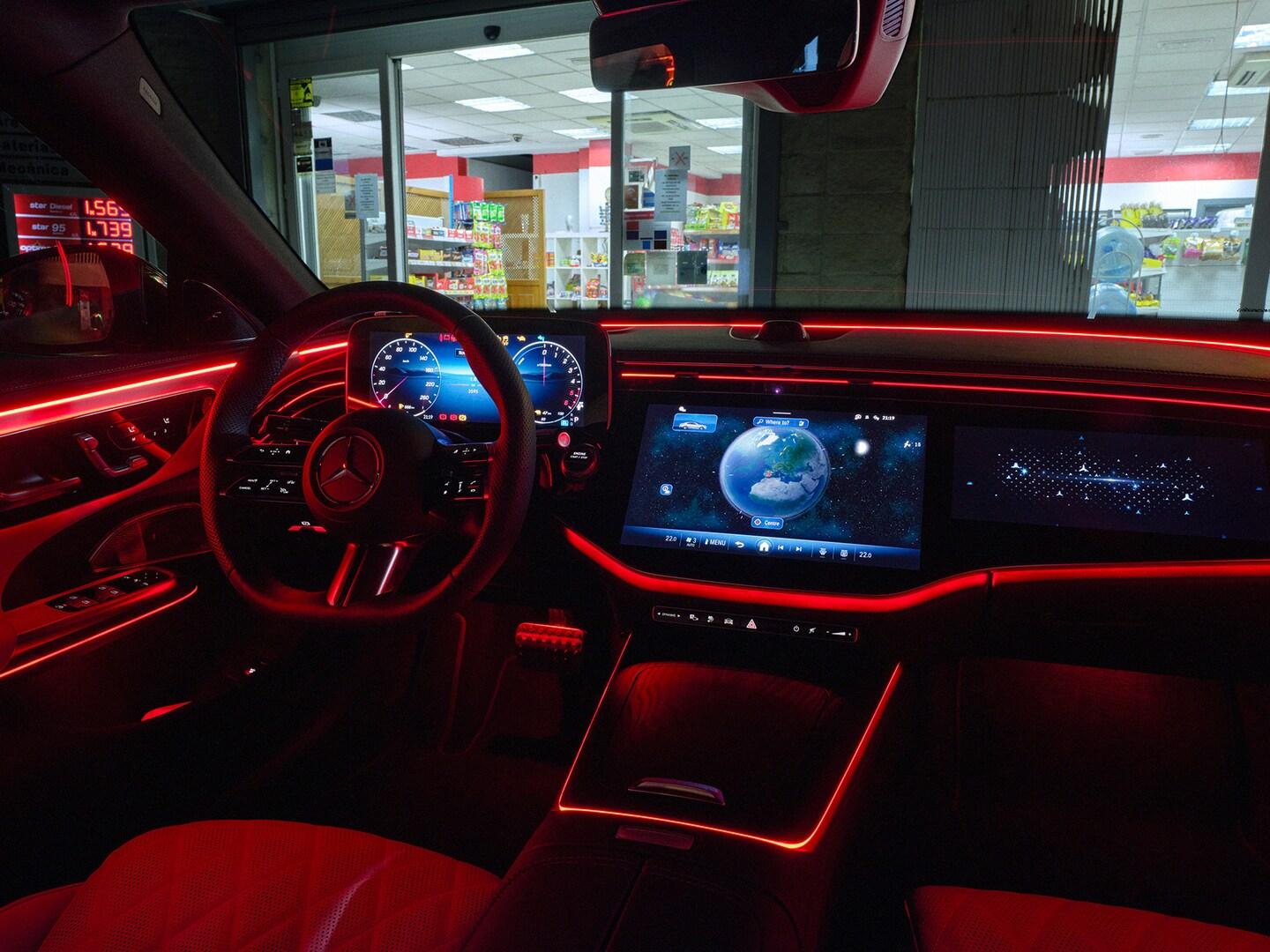
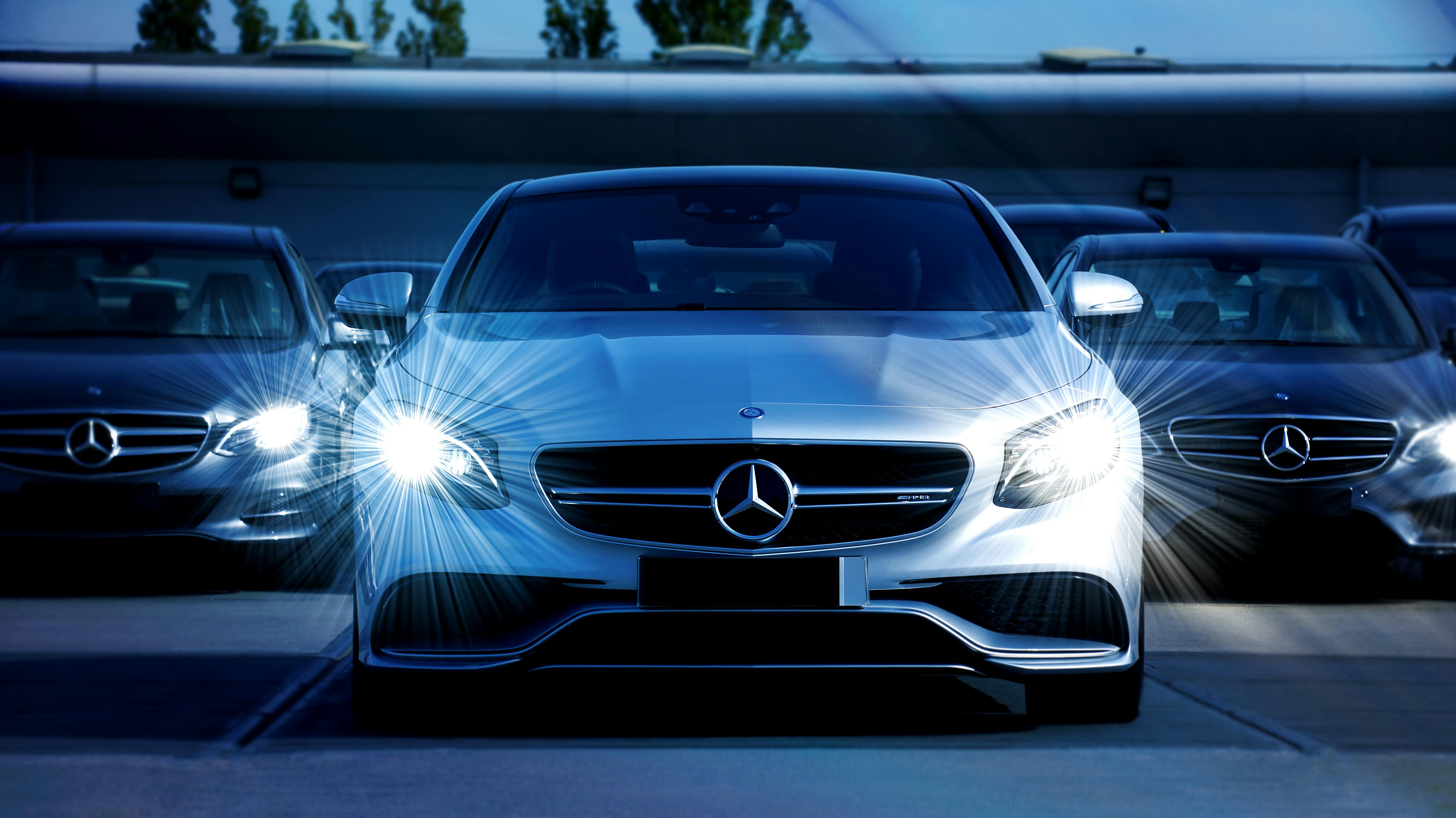
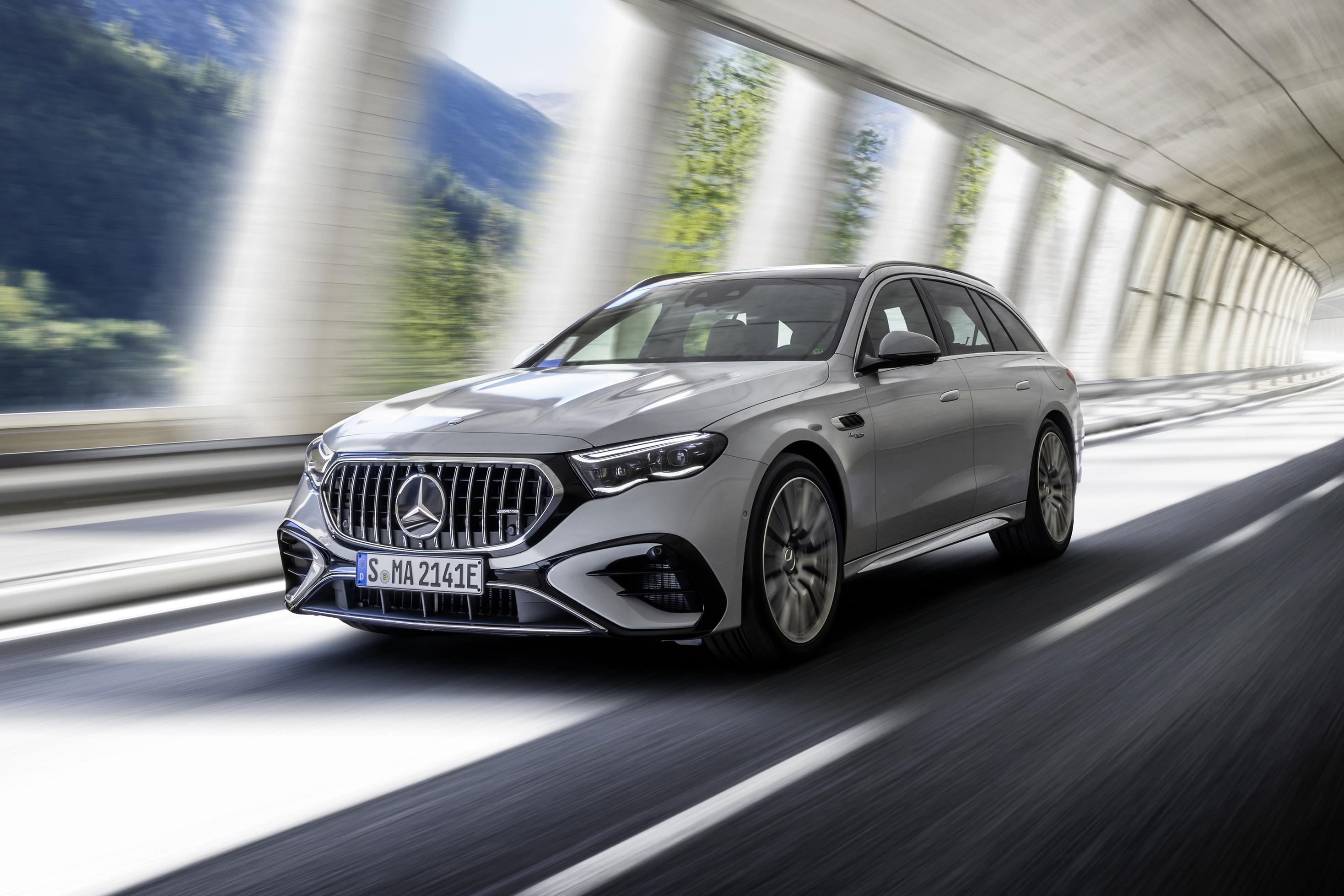
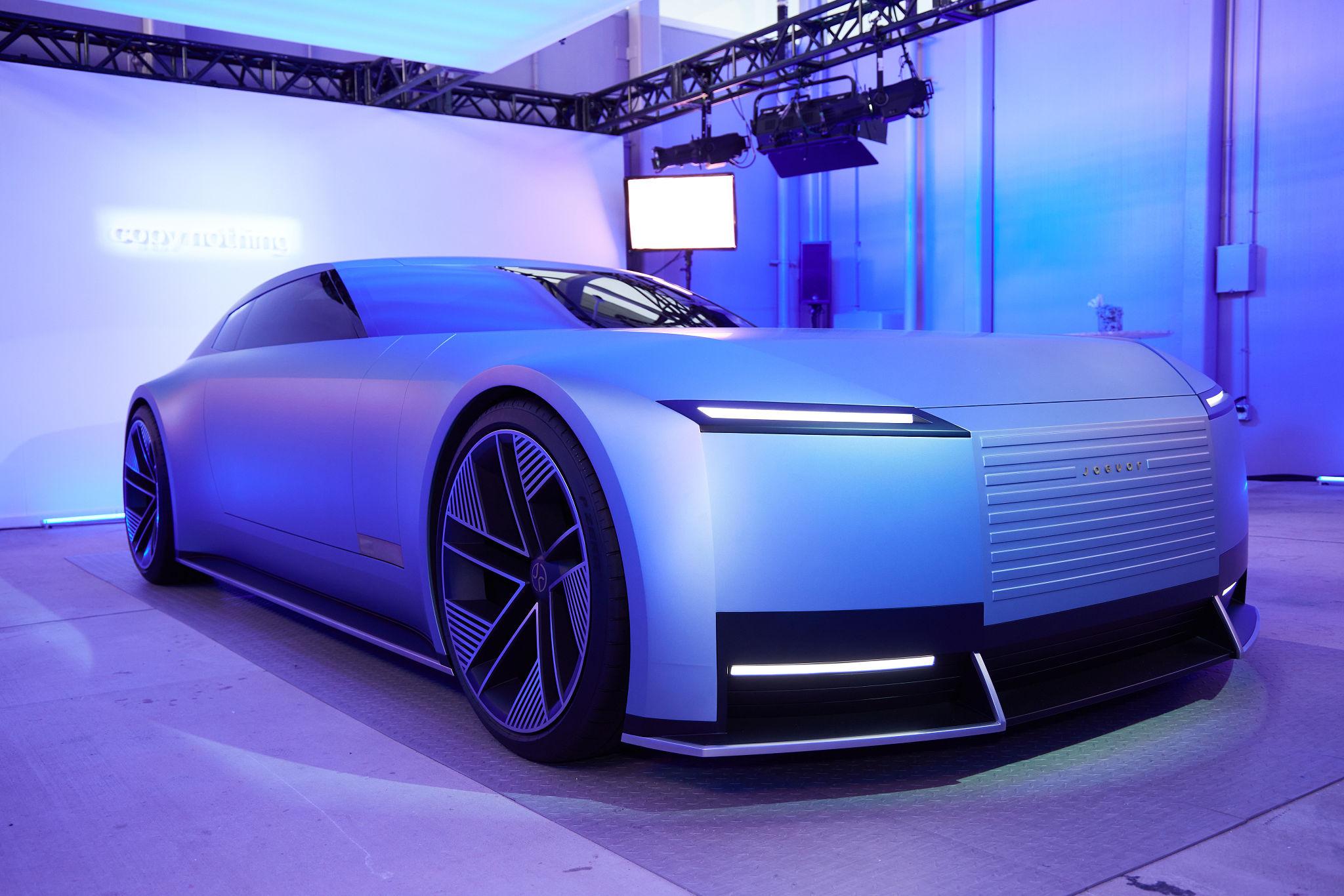
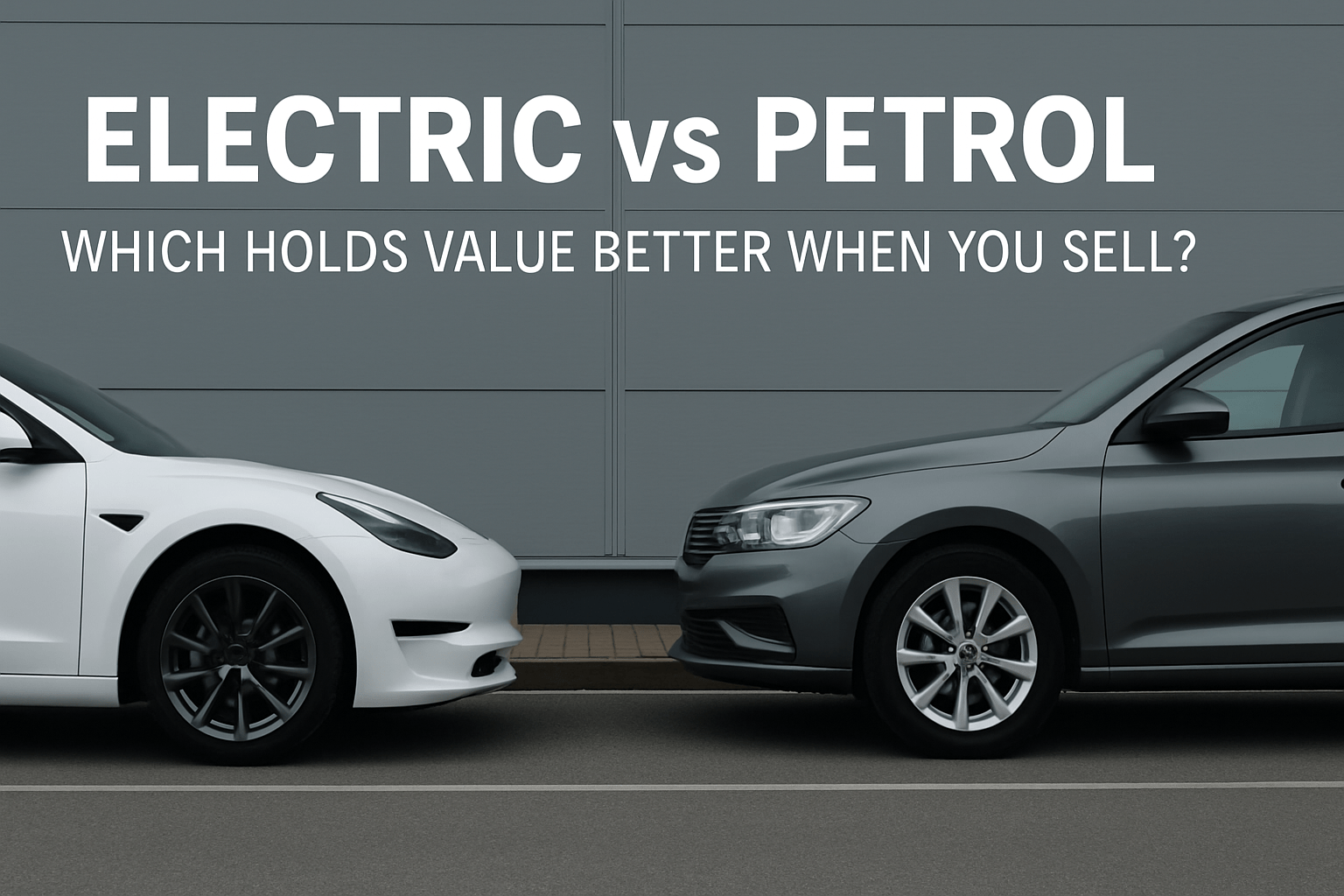
Mercedes-Benz is inching closer to launching its electric C-Class EQ, with prototypes now seen in the final stages of testing. This marks a major milestone for the German automaker’s electrification strategy, signaling that the shift from combustion to electric isn’t just a future concept—it’s happening now. The C-Class EQ is expected to offer an impressive blend of luxury and performance, setting new standards for the electric sedan segment. With the EV market heating up, Mercedes’ move could be pivotal in redefining how premium automakers approach electrification without compromising on comfort or style.
BYD Unveils 2026 Shark 6 Cab-Chassis for Luxury Commercial Vehicles
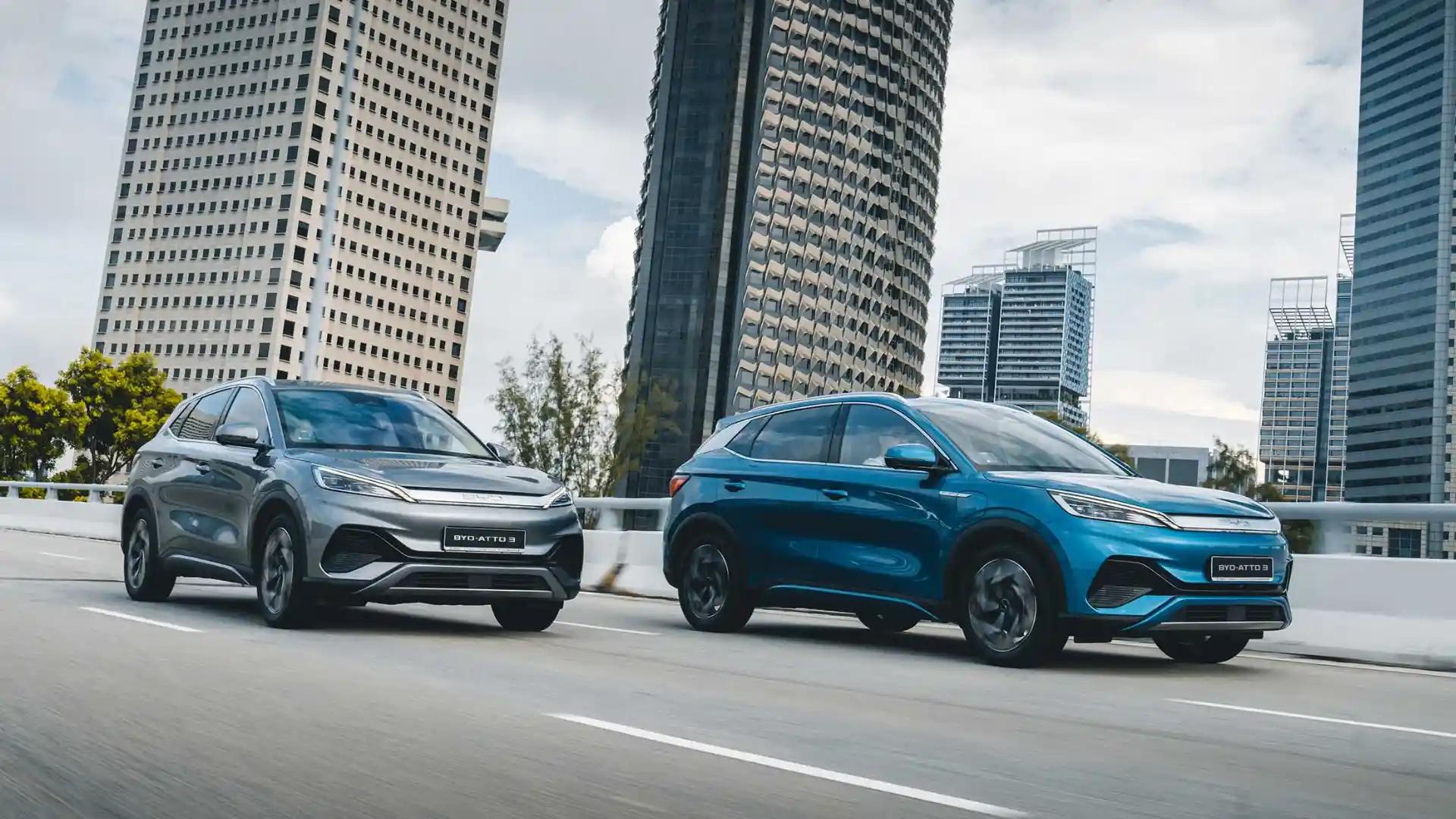
BYD has officially revealed its 2026 Shark 6 cab-chassis, a vehicle that bridges the gap between commercial utility and luxury. Designed with high-end features tailored for premium commercial use, the Shark 6 is a testament to how electric vehicles are no longer just for personal consumers but are also becoming essential tools in the business world. This move from BYD reinforces the growing trend of electrifying commercial fleets, offering a sleek, efficient, and comfortable option for those who demand both performance and practicality.
F1 Regulatory Hurdles Delay Major Decisions
In Formula 1, discussions around regulatory changes have stalled after a series of constructive but unresolved talks among teams. The FIA’s decision to delay decisions reflects the complexity of aligning various stakeholders in motorsport, especially as new technologies and cost considerations come into play. While this may slow down progress, it also ensures that any future regulations are carefully considered, potentially leading to more sustainable and balanced changes for the sport.
Tesla Disables Hacked FSD Systems Amid Security Concerns
Tesla has taken a firm stance on software security by disabling hacked versions of its Full Self-Driving (FSD) system. This move underscores the increasing importance of cybersecurity in autonomous vehicle development. As vehicles become more connected and reliant on software, ensuring the integrity of these systems is crucial—especially when it comes to safety and user trust.
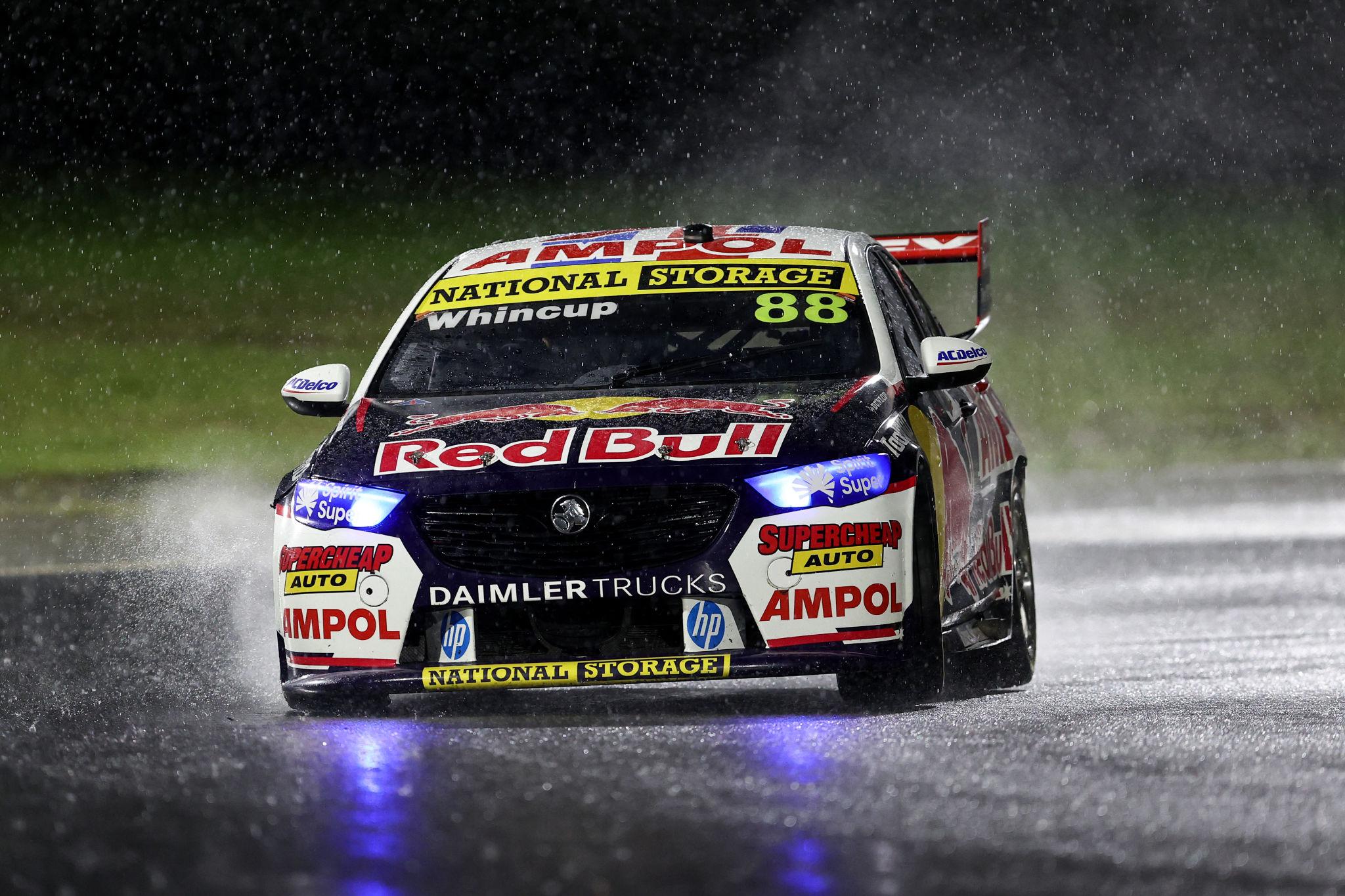
Supercars Racing Pushes On Despite Tropical Cyclone Vaianu
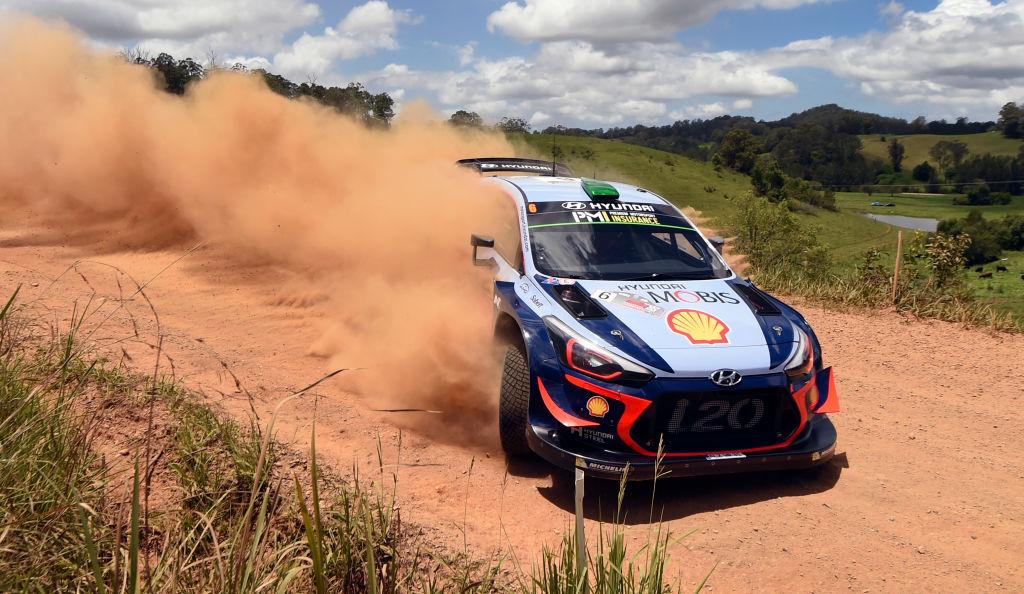
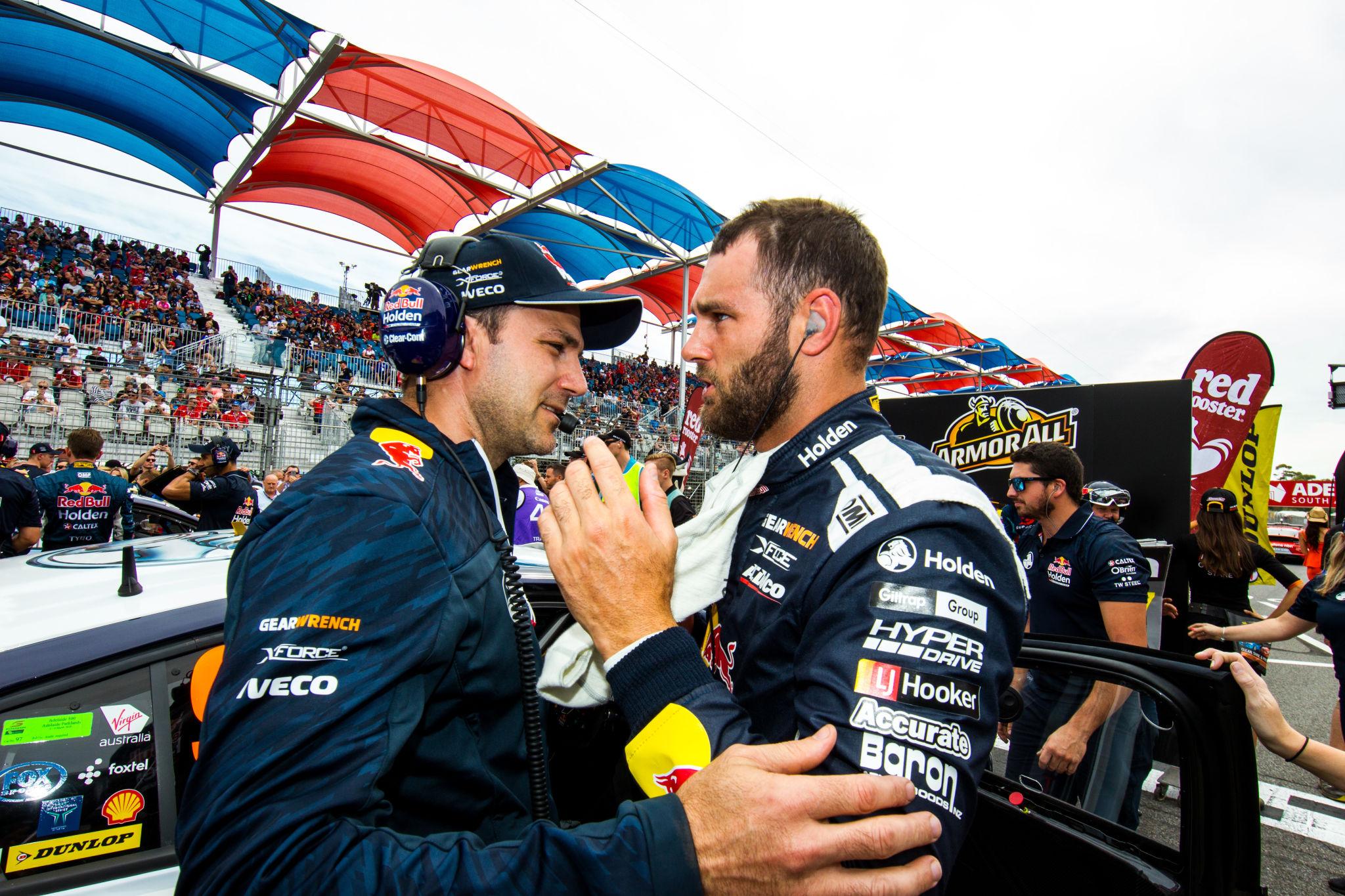
Despite the threat of Tropical Cyclone Vaianu, Supercars has pressed ahead with its racing plans at Taupo. This resilience shows the sport’s determination to continue delivering high-octane entertainment, even in the face of natural adversity. It also highlights how motorsport continues to adapt and thrive, regardless of external challenges.
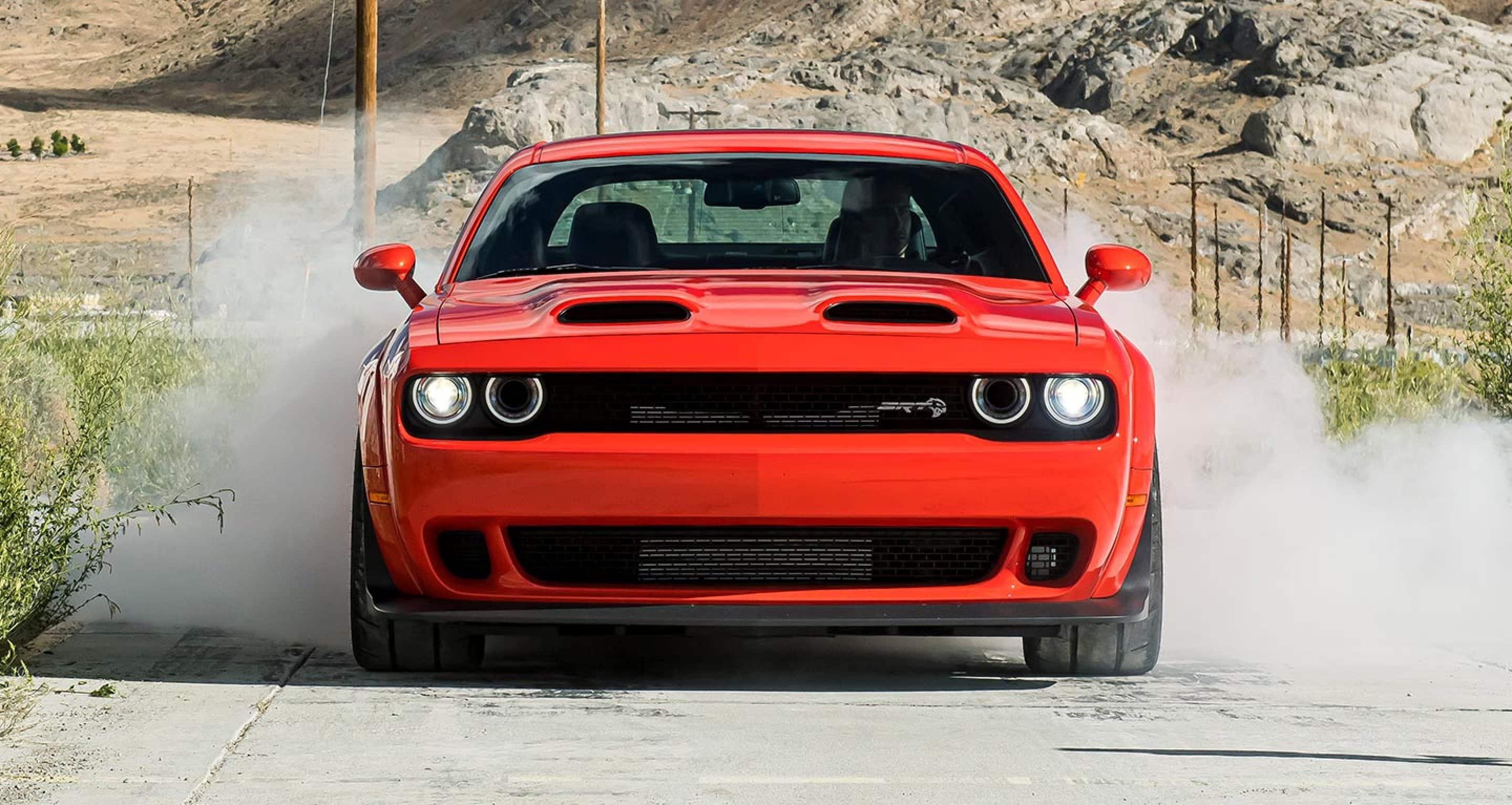
Ford Mustang Gets Hennessey Boost to 815 Horsepower
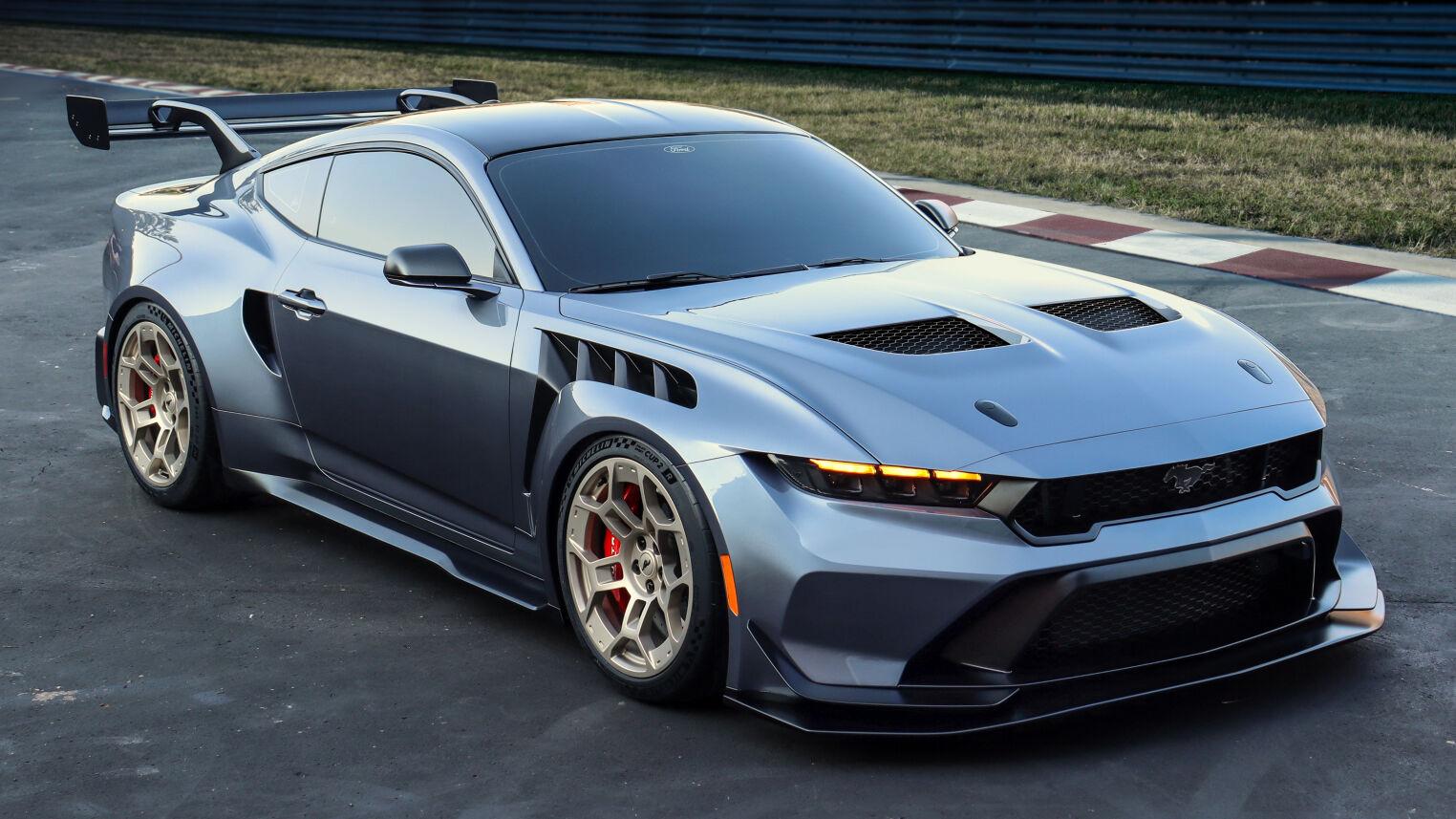
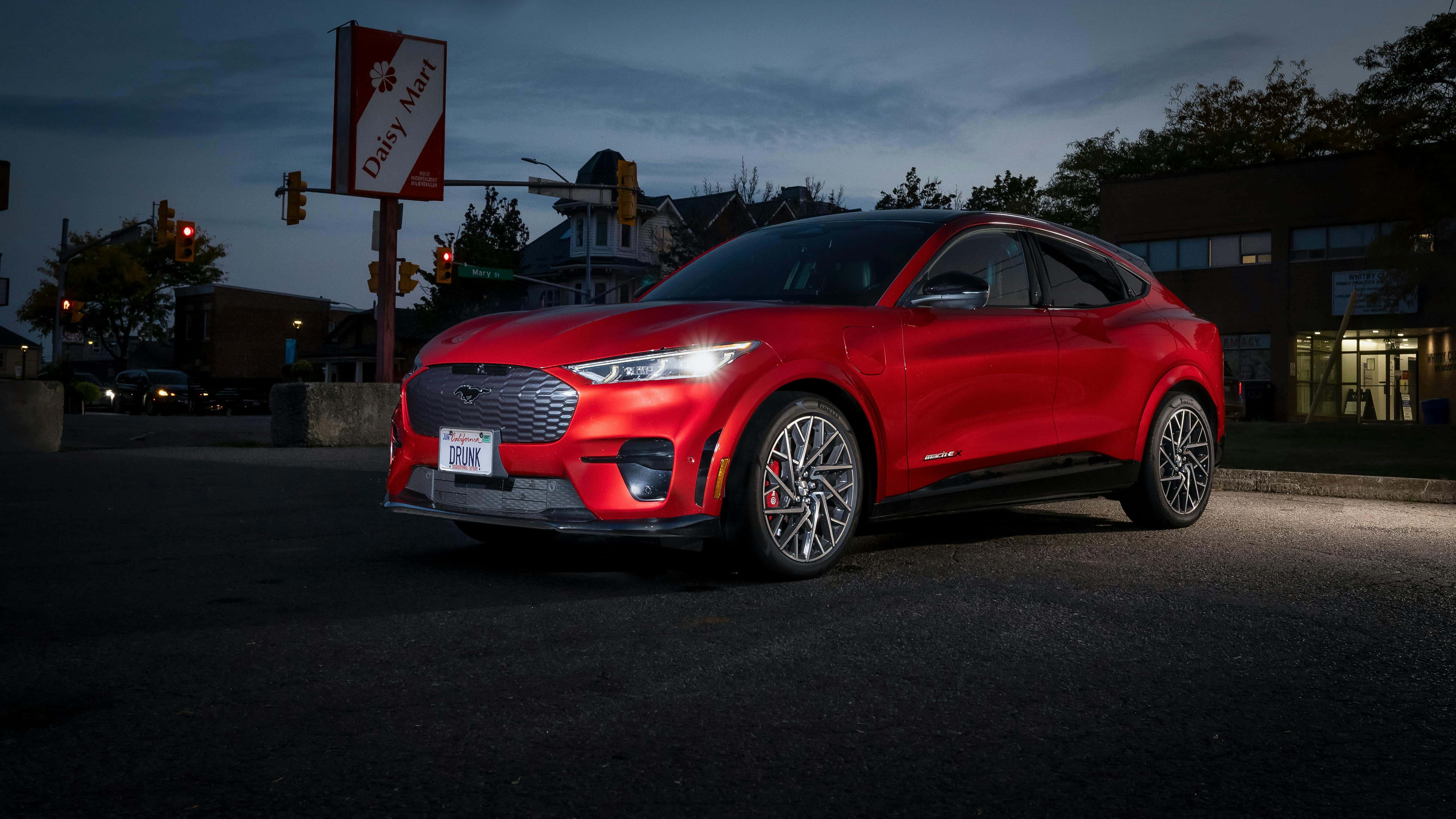
Ford's collaboration with Hennessey has resulted in a Mustang that now delivers an impressive 815 horsepower. This extreme tuning showcases the enduring popularity of American muscle cars and how performance can be pushed beyond stock limits. For car enthusiasts, it’s a reminder that even well-established models still have room to grow in terms of power and capability.
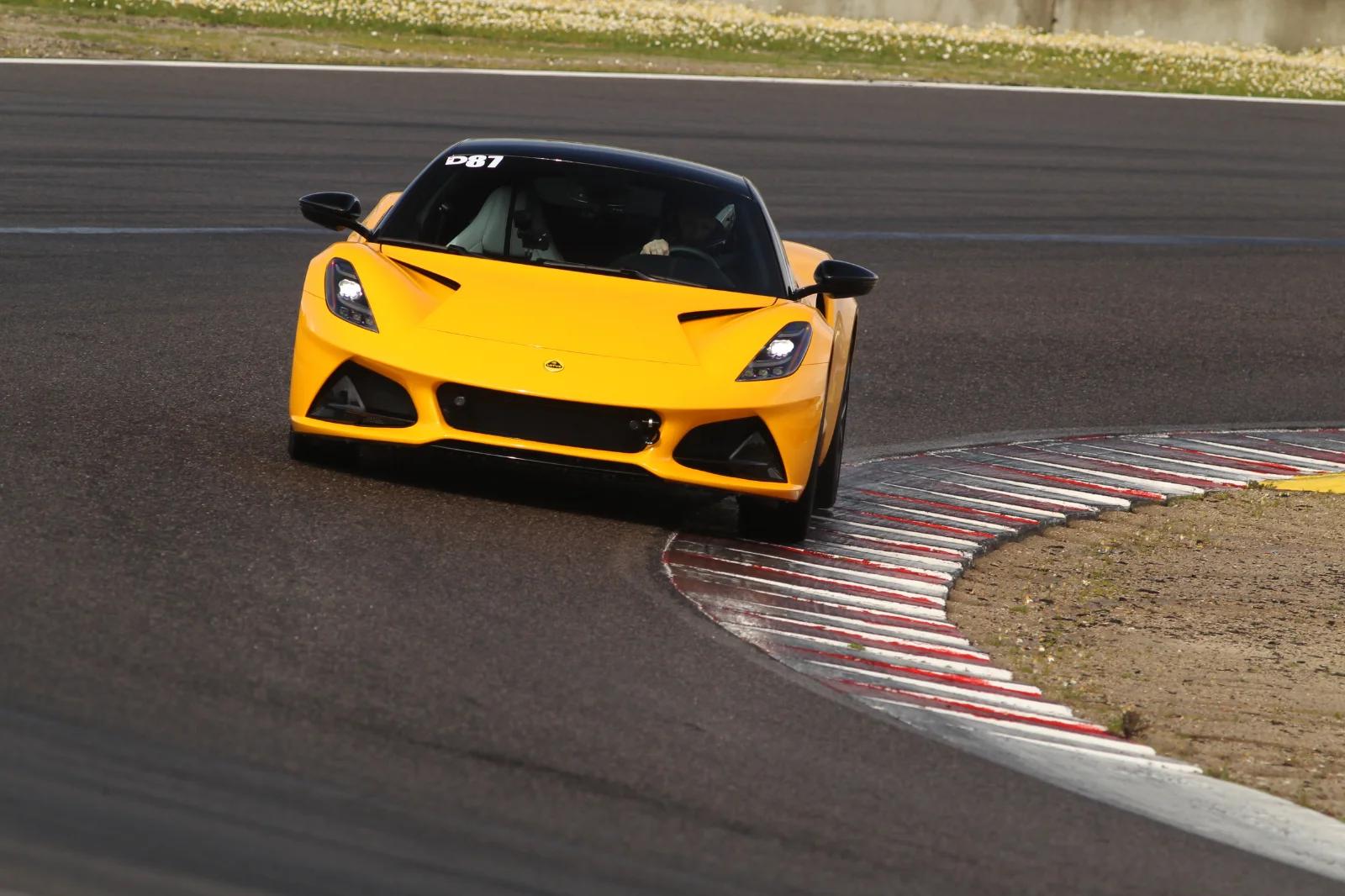
Ariel Atom Delivers 525 Horsepower in Lightweight Package
Ariel’s Atom, a track-focused hypercar, now boasts 525 horsepower in its latest iteration. With its lightweight construction and raw performance, the Atom represents a different kind of driving experience—one that emphasizes agility and pure speed over luxury. It’s a perfect example of how niche manufacturers are pushing the boundaries of what a car can do on the track.
Audi RS3 Production Ending in Europe Next Year
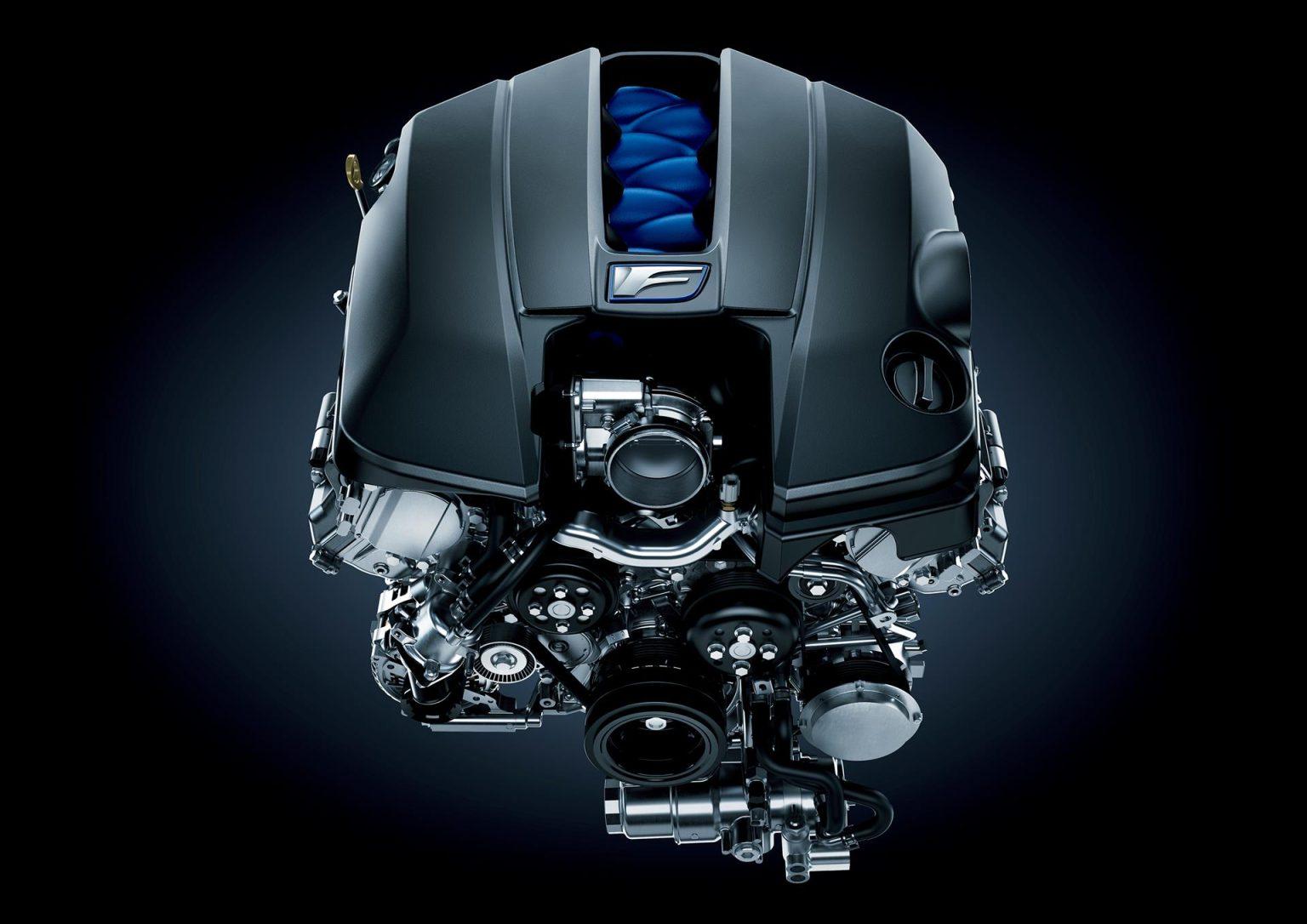
Audi is ending production of its RS3 in Europe next year, marking the end of an era for the five-cylinder engine in the brand’s performance lineup. This decision reflects broader industry trends toward electrification and the gradual phase-out of traditional internal combustion engines in high-performance vehicles. For fans of the RS3, it's a poignant reminder that some iconic models must eventually give way to the future.
Nissan May Bring Dubai-Built Patrol to U.S. Market
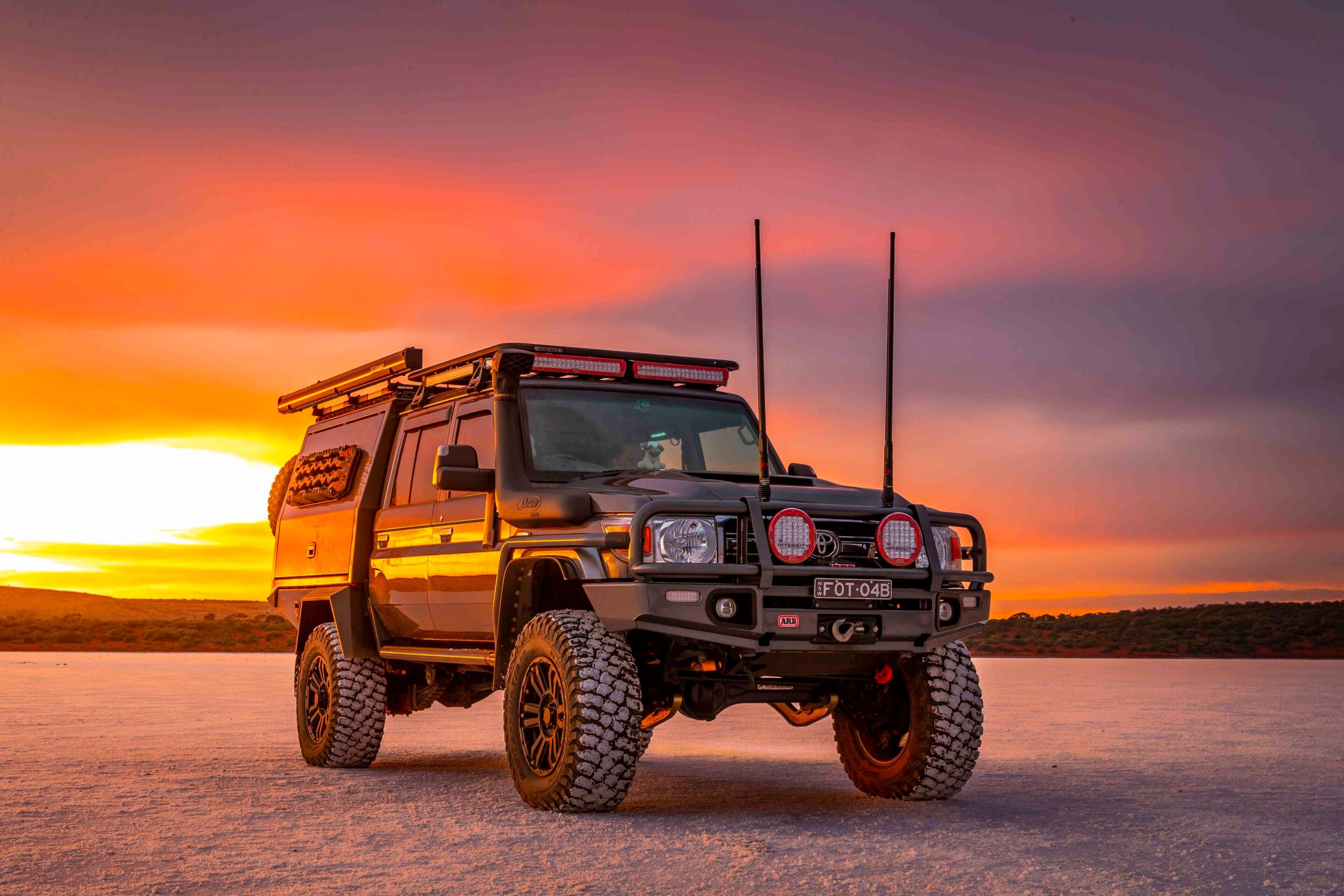
Nissan may be bringing a Dubai-built version of its Patrol to the U.S. market under a different badge, showcasing how global automotive strategies are evolving. This potential move could bring new options for SUV enthusiasts and highlight how manufacturers are leveraging production in different regions to meet varying market demands.
Australian States Trial Noise-Activated Cameras
Australian states are trialing new noise-activated cameras to crack down on illegal driving behaviors. These smart technologies aim to enhance road safety by identifying violations like excessive noise or reckless acceleration, demonstrating a growing trend toward using data and automation in law enforcement.
Industry Trends: Electrification, Performance, and Safety
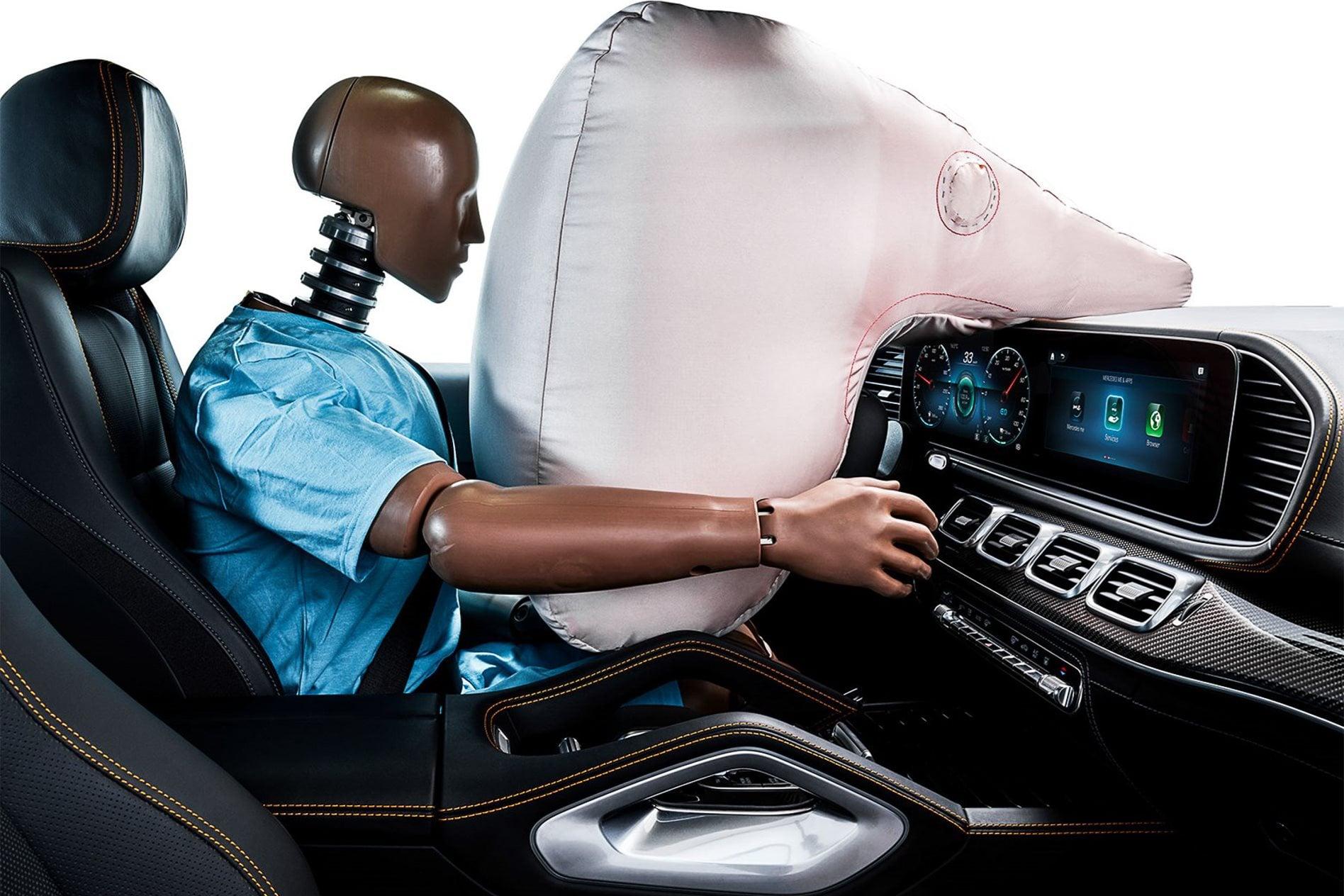
The news of the day underscores several key industry trends. First, electrification is no longer limited to mainstream models—it’s expanding into luxury and commercial vehicles. Second, performance remains a core driver for enthusiasts, with manufacturers continuing to push power limits through tuning and innovation. Finally, safety and regulation are becoming more sophisticated, with both software security and smart enforcement tools playing critical roles in shaping the future of driving.
What This Means for Car Enthusiasts
For car lovers, today’s developments offer a snapshot of what lies ahead. Whether it's the promise of new electric luxury sedans or the raw power of tuned muscle cars, there’s no shortage of excitement. As the industry evolves, enthusiasts can look forward to more diverse options, whether that means driving electric vehicles with premium features, racing in extreme conditions, or experiencing cutting-edge safety innovations. The future is electric, performance-driven, and smarter than ever before.