Mercedes Defends Four-Cylinder SL, Supercars Eyes Fourth Manufacturer Amid Toyota Breakthrough

The automotive world is in a state of constant flux, with developments that reshape not only what we drive but how we think about performance, strategy, and even the future of motorsport. On this Monday, April 13, 2026, the industry is digesting a mix of high-stakes racing moves, tech-driven updates, and strategic pivots from global automakers. From a legendary German brand holding firm to its engine choices to an Australian rally star making headlines in Croatia, there’s no shortage of stories that are stirring up conversations across the globe.
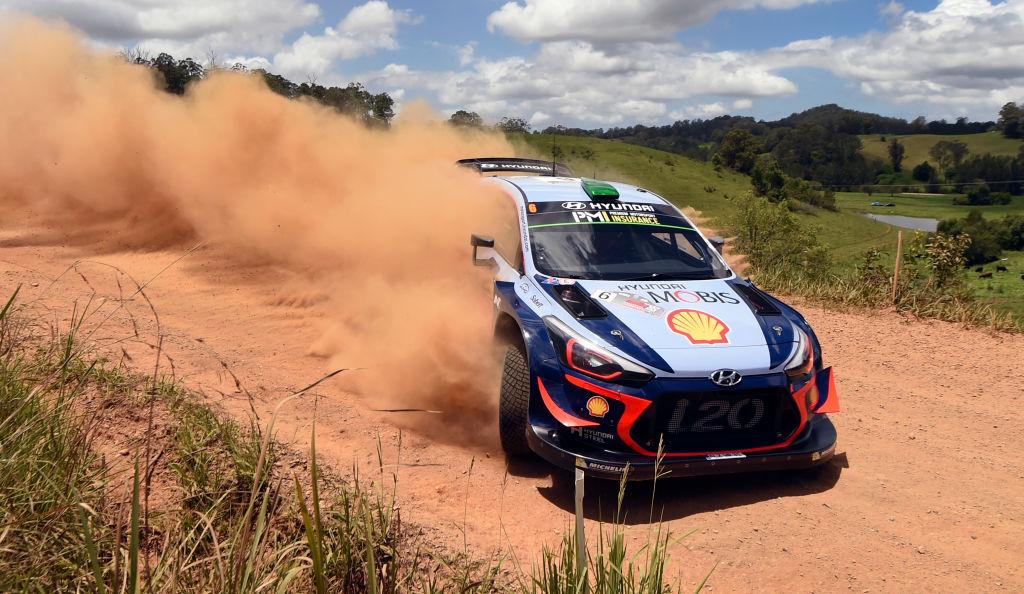
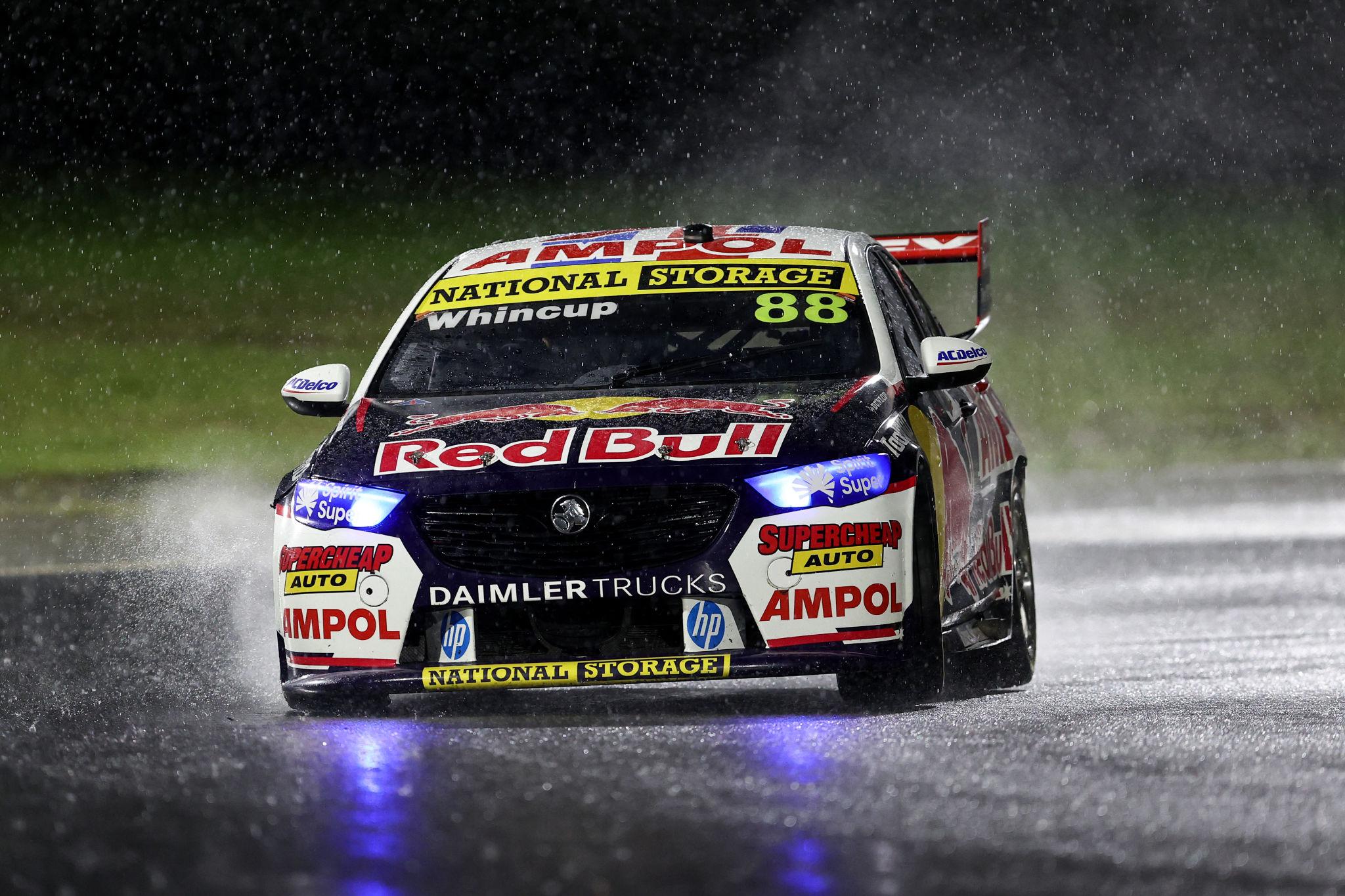
In a surprising turn of events, Supercars is reportedly considering opening its doors to a fourth manufacturer following Toyota’s remarkable win—a moment that could redefine the series’ competitive landscape. Meanwhile, in the world of rally racing, Takamoto Katsuta secured a dramatic victory in Croatia after Thierry Neuville’s crash, showcasing the unpredictable nature of motorsport. These moments are just the tip of the iceberg as automakers and racing organizations alike continue to adapt their strategies in response to shifting market demands.
The industry is also seeing significant moves from major manufacturers. Mercedes-Benz has decided to retain its four-cylinder engine in the SL class, despite mounting criticism—highlighting a bold stance that may signal long-term brand identity over short-term trends. At the same time, Hyundai is cautiously entering Australia’s ute market, while Ford F-150 Lightning owners are finding relief amid a recall deadlock. These developments reflect the complex balancing act automakers must perform to stay relevant and profitable in an increasingly competitive environment.
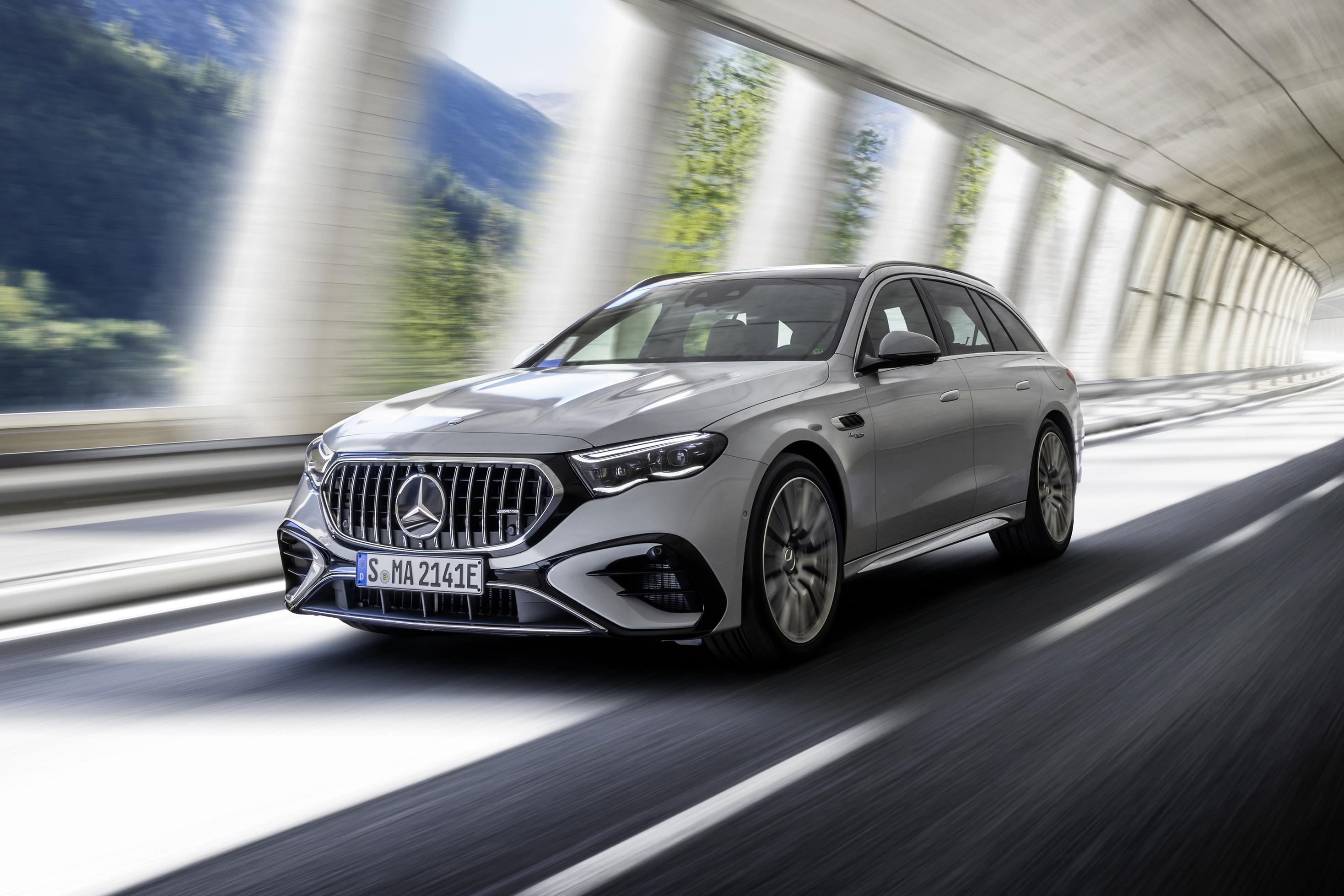
Mercedes Stands by Four-Cylinder SL Engine Despite Criticism
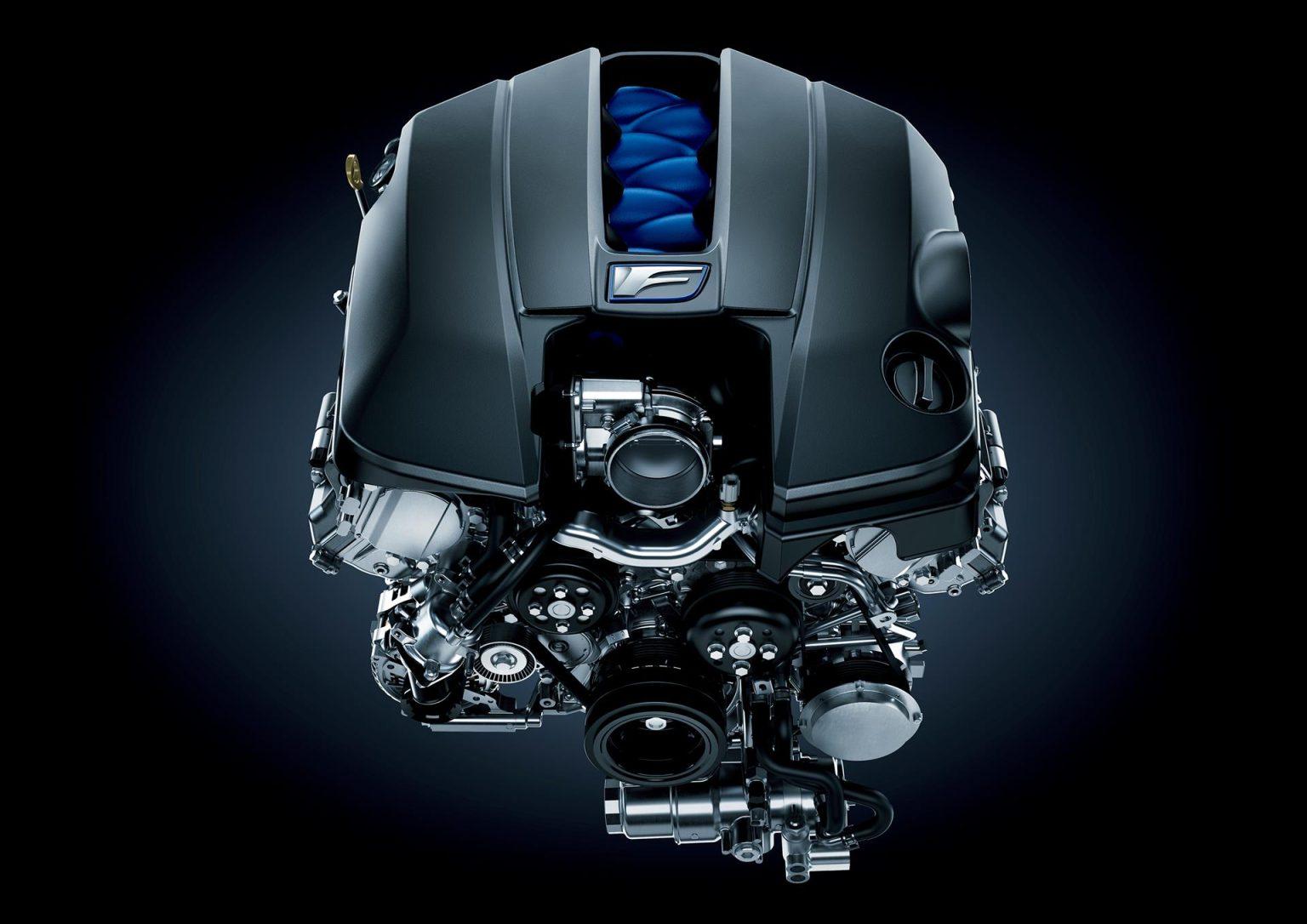
Mercedes-Benz has been under scrutiny for its decision to keep the four-cylinder engine in the SL class, a move that seems to defy modern trends toward larger displacement engines. According to Carscoops, the automaker spent years defending this choice, and now with the facelifted SL, it’s proving that the smaller engine can still deliver performance and appeal. While critics argue that larger engines offer more power and prestige, Mercedes is betting on efficiency, refinement, and brand heritage.
This isn’t just about engineering—it’s about identity. The SL has long been a symbol of luxury and performance in the German marque’s lineup, and choosing to maintain a smaller engine may be a statement of intent. It’s a reminder that not every automaker is chasing the biggest numbers; some are focused on perfecting what works.
Supercars Eyes Fourth Manufacturer After Toyota Breakthrough
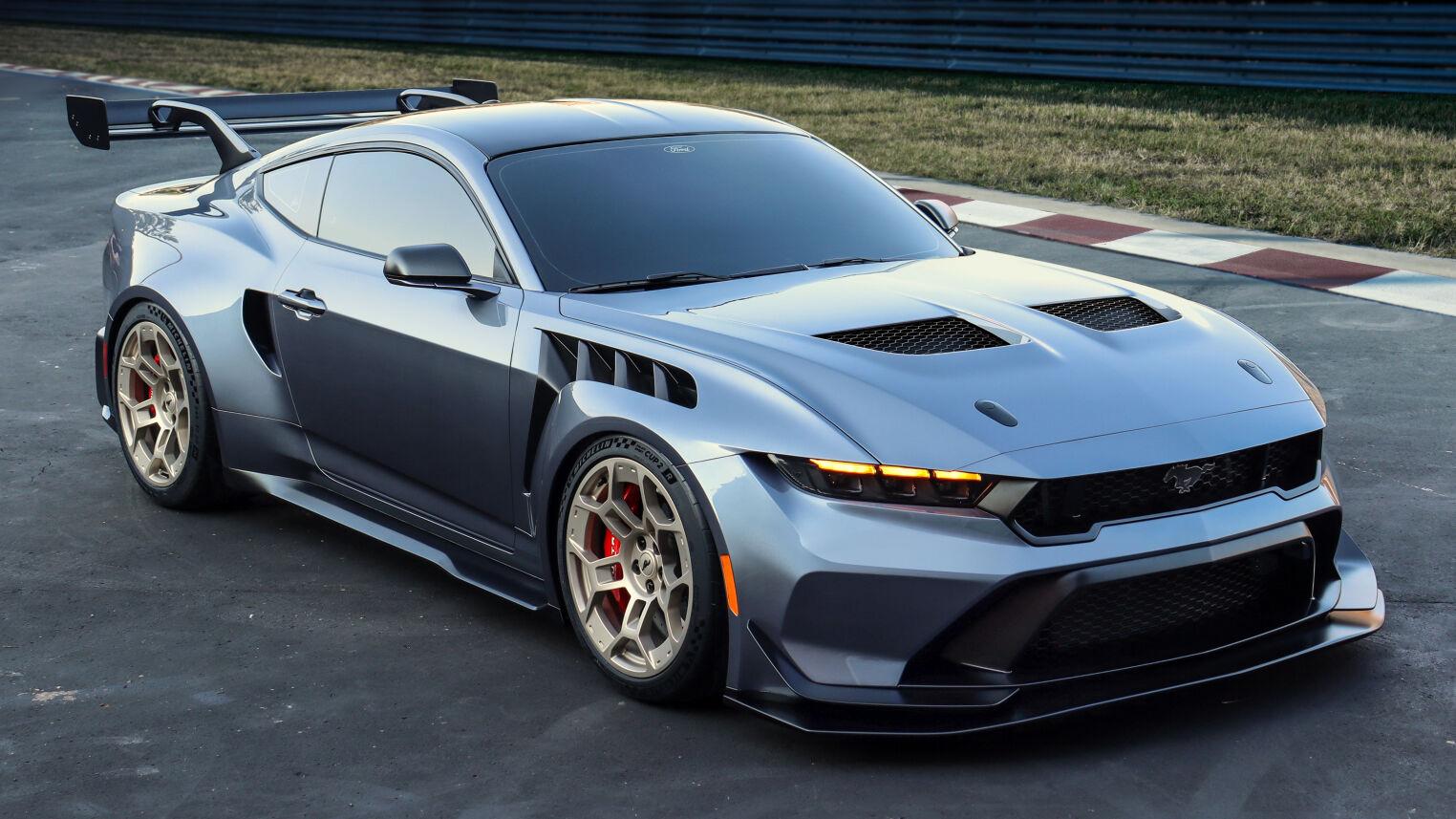
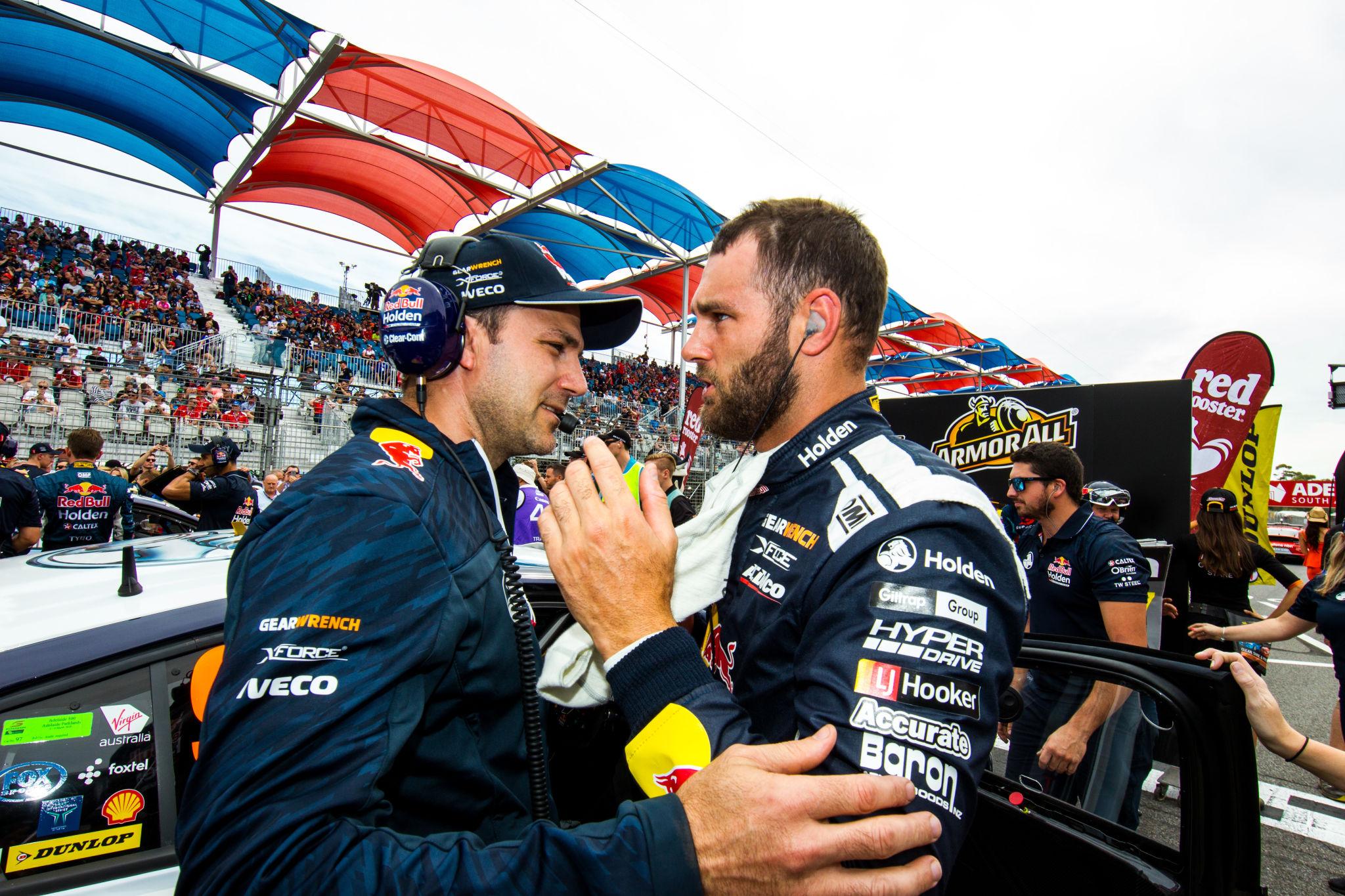
Supercars has announced plans to potentially open its doors to a fourth manufacturer following Toyota’s historic win in the series. This development marks a significant shift for the championship, which has traditionally been dominated by Holden, Ford, and Commodore. The move could bring fresh competition, new technology, and increased global interest to the series.
Toyota’s entry into Supercars is not just about racing—it's also a strategic business move. As automakers look to expand their presence in international markets, motorsport serves as a powerful platform for brand building and product validation. The potential addition of a fourth manufacturer could also lead to more diverse and competitive racing, making the series even more compelling for fans.
BYD’s Software Strategy vs. Automakers’ Digital Monetization Struggles
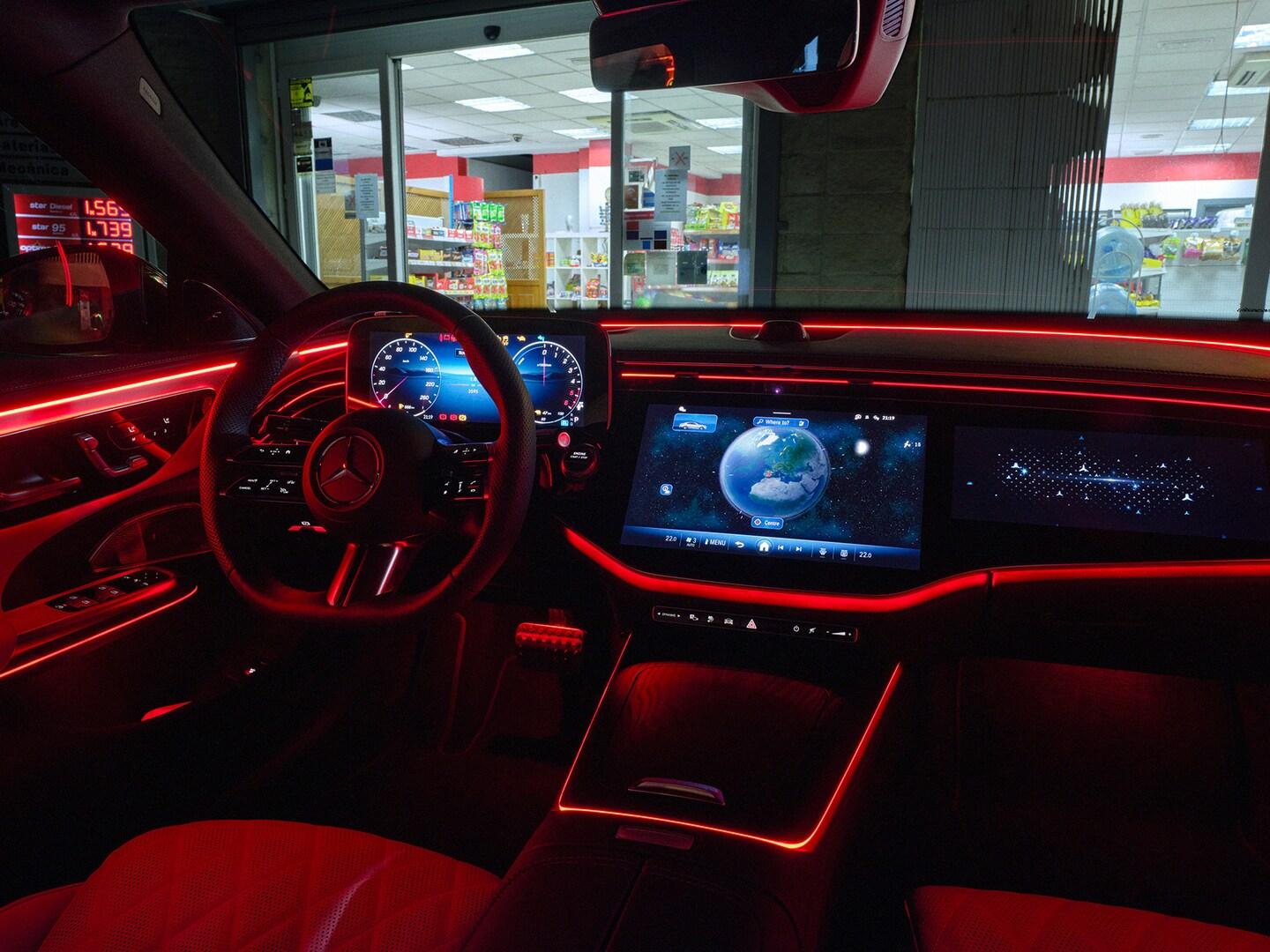
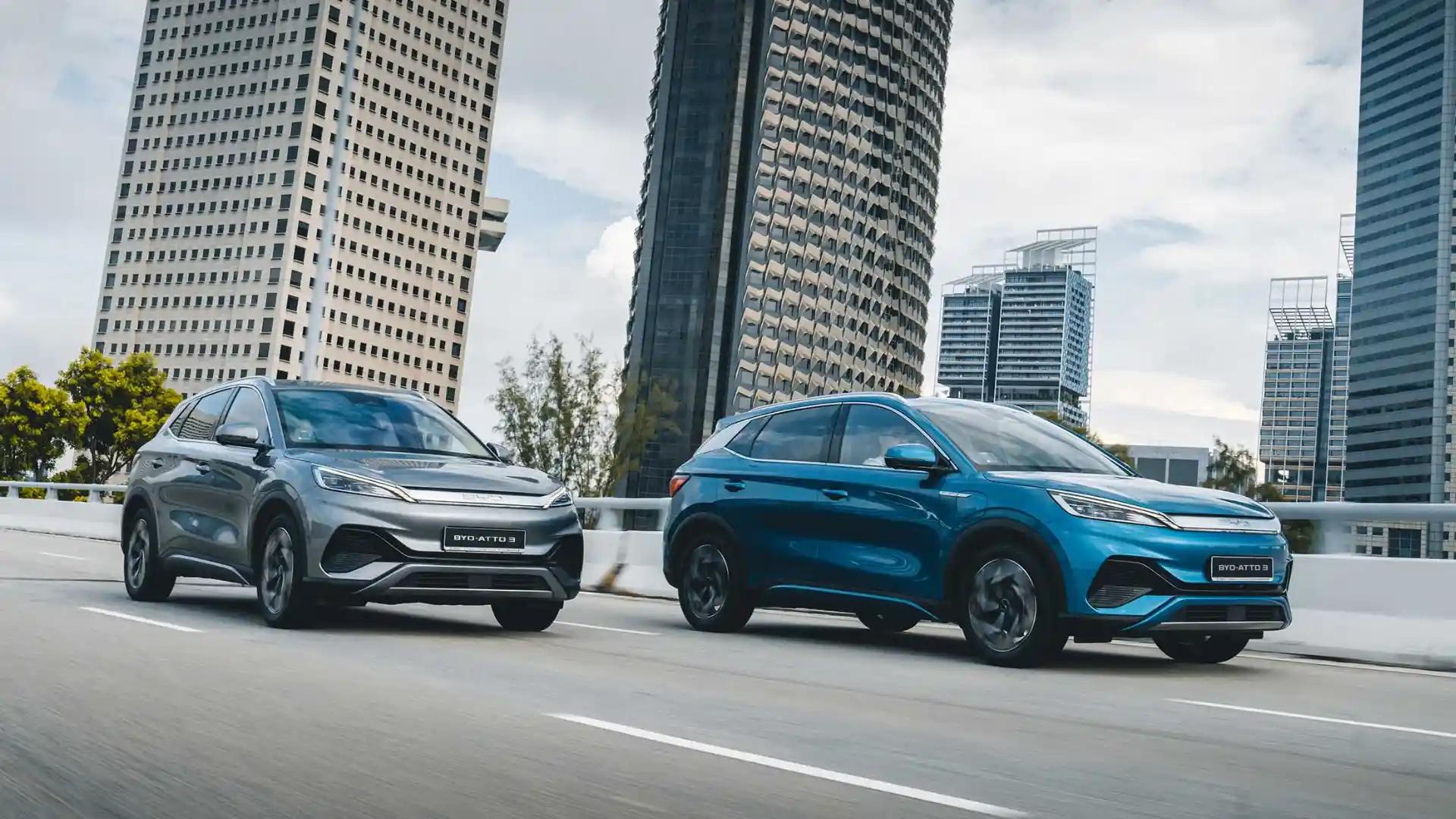
While automakers struggle to monetize digital features, BYD is taking a different approach—aggressively updating its software to keep customers engaged and satisfied. This strategy reflects the growing importance of over-the-air updates and digital experiences in today's automotive landscape.
For many traditional automakers, the challenge lies in turning software into revenue streams without alienating customers. BYD’s success in this area suggests that a customer-centric approach to software development and updates could be the key to staying ahead in the race for digital innovation.
Ford F-150 Lightning Owners Get Relief Amid Recall Deadlock
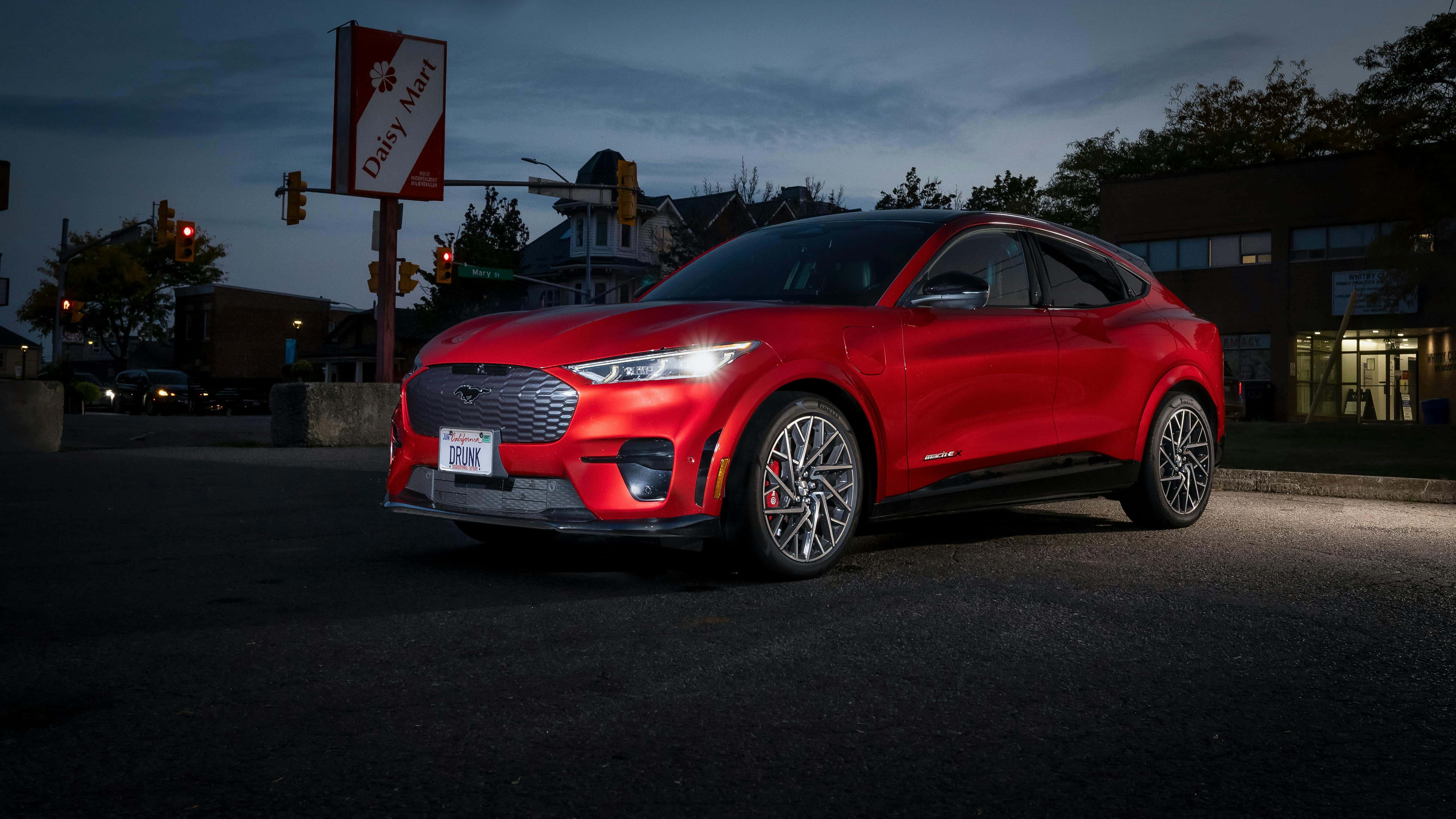
Ford F-150 Lightning owners are finding some relief amid a recall deadlock. The automaker has taken steps to address concerns raised by the National Highway Traffic Safety Administration (NHTSA) regarding potential safety issues, providing temporary fixes while working on permanent solutions.
This is a critical moment for Ford and the electric truck market as a whole. As more consumers adopt electric vehicles, recalls and safety concerns can significantly impact brand trust and adoption rates. Ford’s proactive approach in addressing these issues shows its commitment to customer safety and product quality.
EV Price Drops and Industry Losses: A Costly Transition
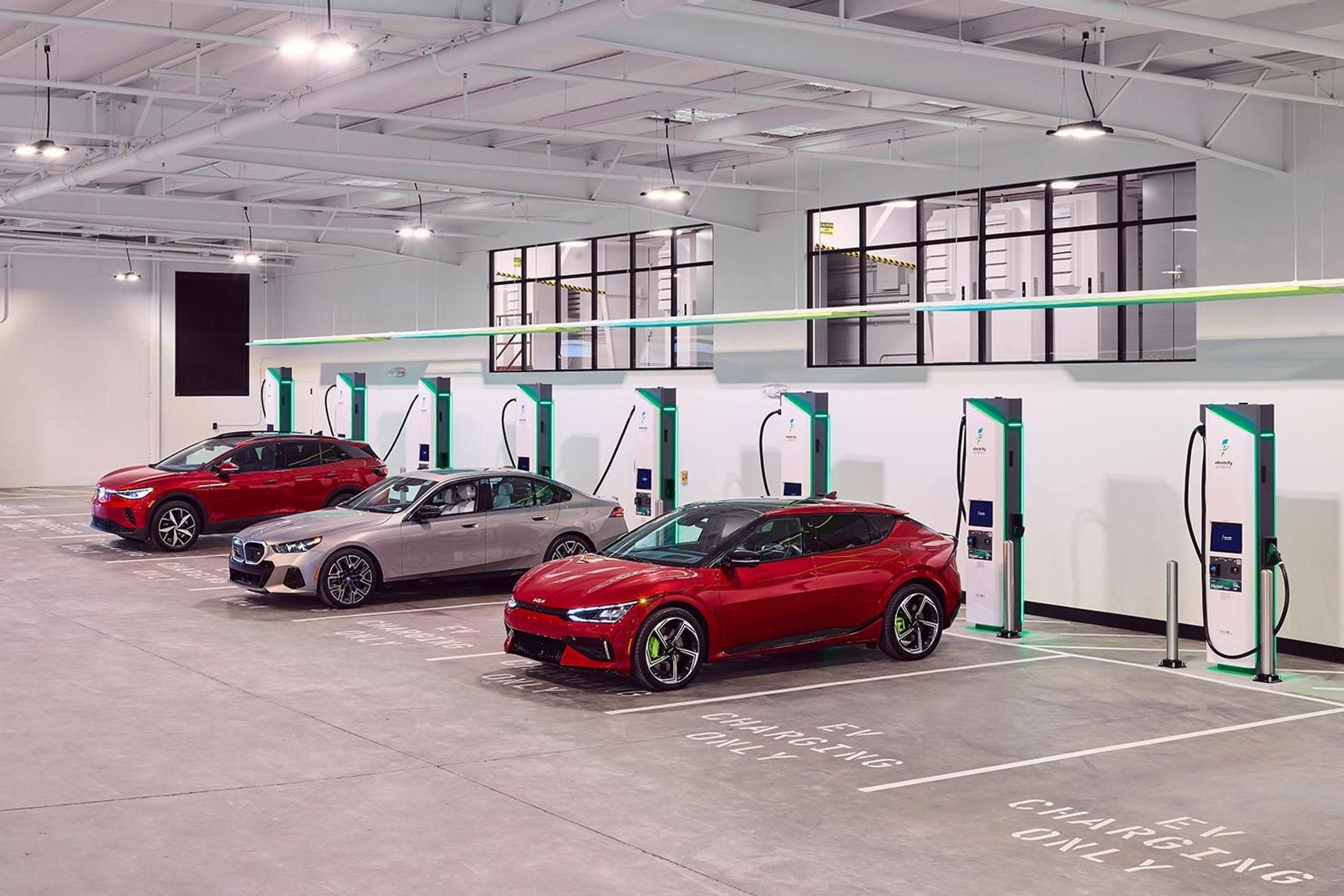
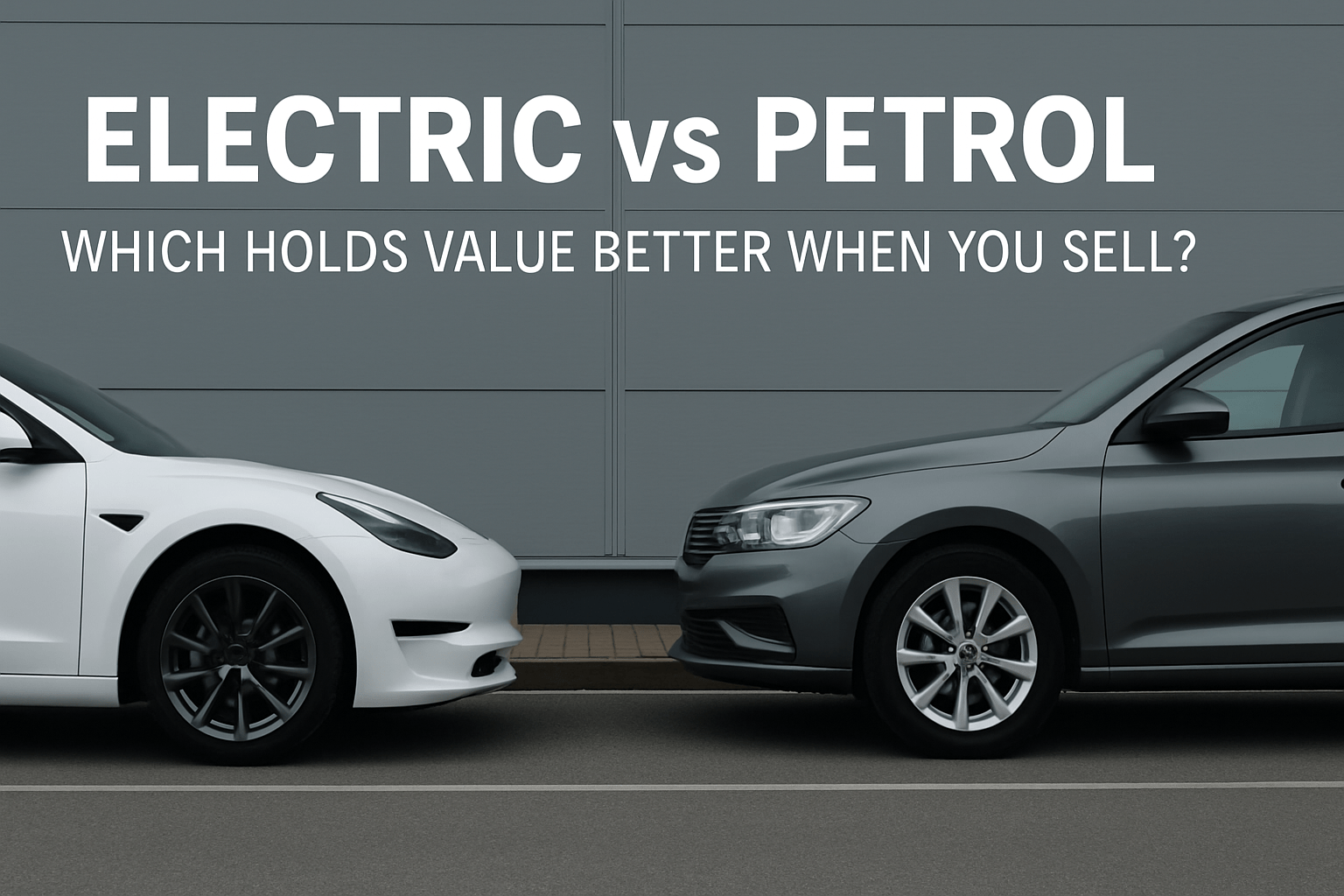
Electric vehicle prices are continuing to fall, but manufacturers are absorbing losses of nearly $8,000 per sale. This financial reality highlights the challenges facing automakers as they transition toward electrification. While consumer demand is growing, the cost structure of EV production remains a significant hurdle.
The industry’s struggle with profitability in the EV space underscores the need for continued innovation and economies of scale. As manufacturers work to reduce costs and improve efficiency, we can expect more competitive pricing and better value propositions for consumers.
Mazda’s Reliability Woes and the Importance of Quality Control
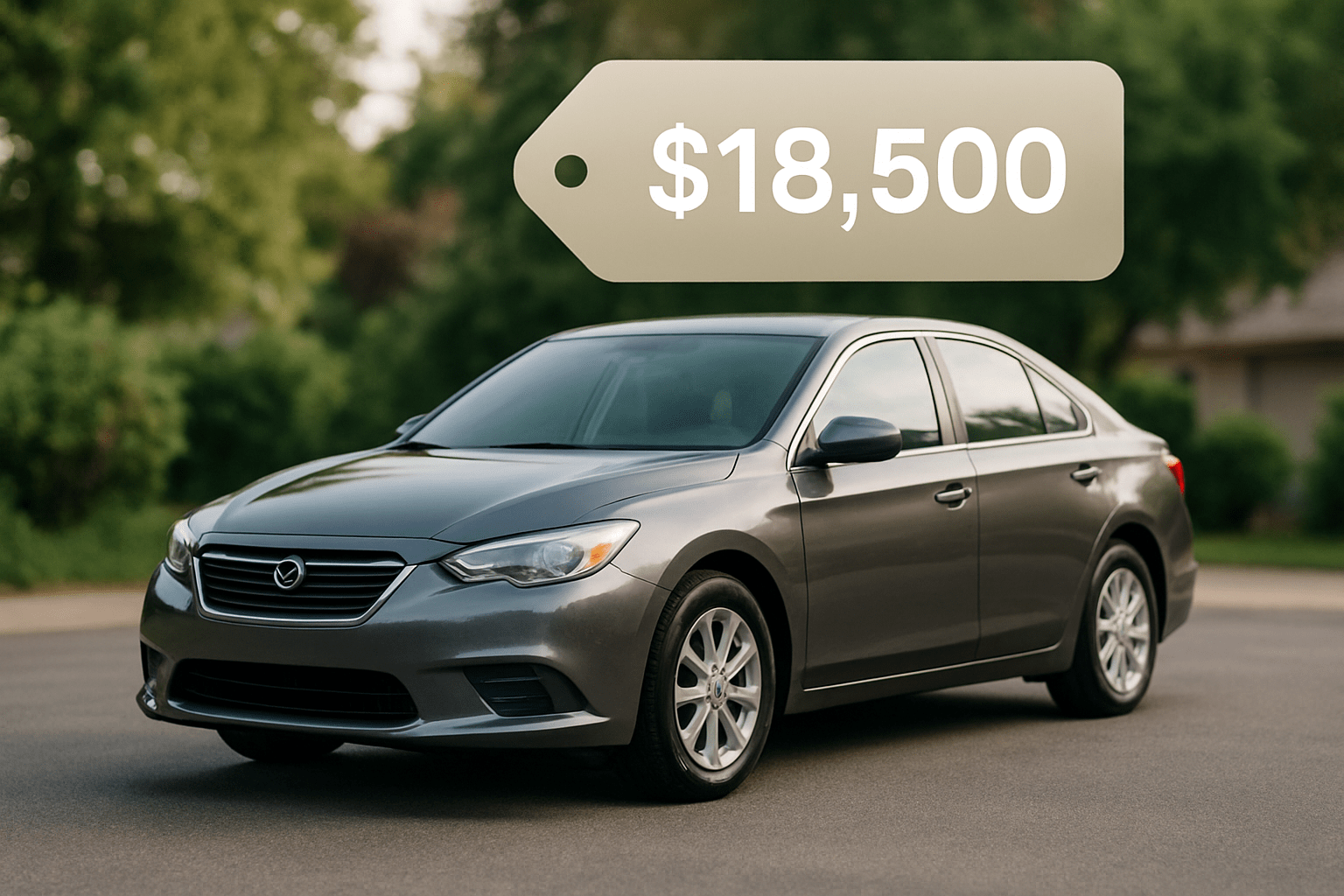
Mazda is facing increasing scrutiny over its reliability, a growing concern that could impact brand loyalty and sales. The automaker's struggles highlight the importance of maintaining consistent quality control in an increasingly competitive market.
In today’s automotive environment, reliability isn’t just about avoiding breakdowns—it’s about building trust with customers. As consumers become more informed and demanding, automakers must prioritize long-term satisfaction over short-term gains.
Tata May Be Eyeing a Return to Australia
Tata Motors is reportedly considering a return to the Australian market, a move that could signal a shift in global automotive strategies. The Indian automaker’s potential entry into Australia underscores the changing dynamics of the global automotive landscape.
This development reflects how manufacturers are increasingly looking beyond traditional markets to find new growth opportunities. As the industry evolves, we’re likely to see more international players entering and competing in established markets like Australia.
What This Means for Car Enthusiasts
These developments paint a picture of an automotive world in transition—where tradition meets innovation, and where manufacturers must navigate between customer expectations, regulatory pressures, and profitability. For car enthusiasts, this means more choices, more competition, and more excitement on the road and track.
Whether it’s the continued evolution of iconic models like the Mercedes SL or the entry of new players into racing series like Supercars, the industry is shaping up to be more dynamic than ever. As we move forward, staying informed about these changes will be key to understanding what’s next in automotive history.